What Are Solar Shingles?
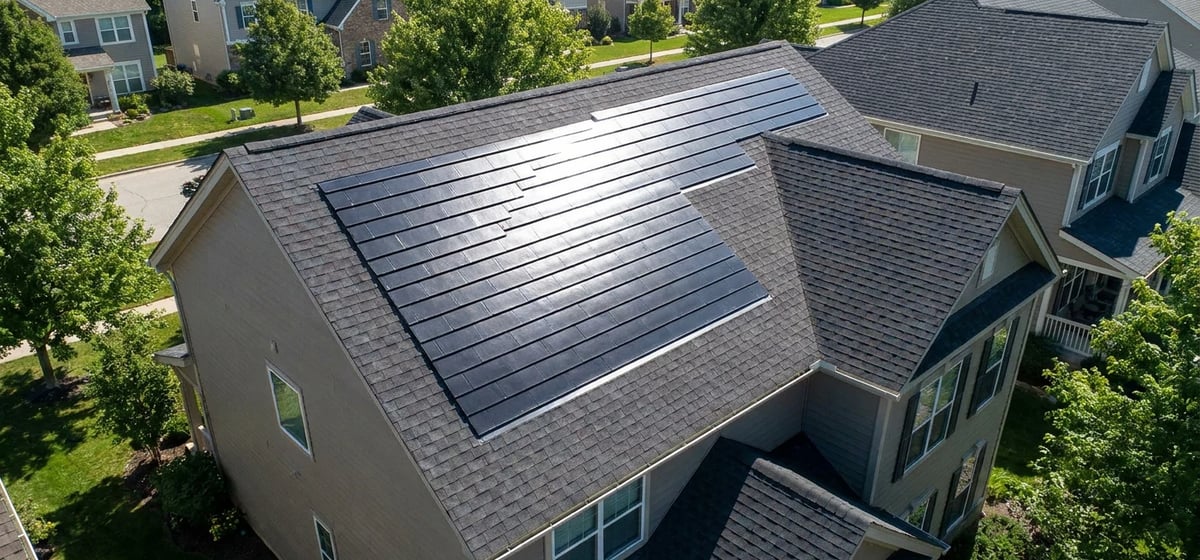
Solar shingles are small solar panels designed to look and act exactly like regular roofing materials. They protect your home from rain and snow, and they turn sunlight into electricity for your household. You install them across your entire roof instead of mounting large solar panels over existing shingles. The concept emerged in the 1990s as a building product to make solar energy more visually appealing. The Dow Chemical Company brought one of the first commercially successful versions to the US market in 2009. Today, several major brands make them. They blend right into your roof line. You won't see bulky metal racks or gaps under the panels.
Why They Matter To You
If you need a new roof and want solar power, this product combines both jobs. Normal solar panels sit on top of your existing roof. If your roof is old, you have to replace it first. Solar shingles solve this problem because they are the actual roof. They are strong enough to walk on and handle high winds and heavy hail just like standard asphalt shingles. Homeowners choose them because they look much better than traditional panels. They keep your home looking neat from the street. This is a big deal if you care about your home exterior or live in a strict neighborhood. Before you plan a project, check your rules by reading up on Neighbors & HOAs.
Costs And Installation
Installing a solar roof is a massive project. It is much more expensive than a normal roof. A standard asphalt roof might cost 10,000 to 20,000 dollars. A full solar shingle system usually costs 40,000 to 80,000 dollars before tax credits. Prices depend on your roof size and how much power you need. Keep in mind that ranges vary widely by state and installer. You pay for a premium Roofing material and a complete power plant in one package.
The installation takes longer than a normal roof. Electricians and roofers must work together. They wire every single shingle to the next one. All those wires run to an inverter on the side of your house. The inverter changes the solar power into electricity your house can use. You also need permits from your city and approval from your utility company before you can turn the system on.
What To Watch For
Not every home is a good fit for a solar roof. You must keep a few things in mind before you buy one:
- Roof direction: South facing roofs get the most sunlight and make the most power.
- Shade: Trees or tall buildings that cast shade will ruin your power output.
- Repairs: If one solar shingle breaks, finding the bad one takes time because a pro has to test the electrical connections. You can't just nail a new shingle over the old one.
You should also compare them to standard Solar Panels. Standard panels are cheaper and often more efficient at making power. They also let air flow underneath them, which keeps them cool. Solar shingles sit flush against the roof deck. They can get very hot in the summer sun, which slightly lowers how much power they make. You trade a little bit of efficiency for a much better looking roof.
Care And Maintenance
Taking care of a solar roof is simple. You treat it just like a normal roof, but you also want to keep it clean. Dirt, leaves, and bird droppings block the sun, meaning your roof makes less power. Usually, a heavy rainstorm washes the dirt away. If you live in a dry area, you might need to hire a pro to gently wash the roof once a year.
You also need to watch your system monitor. Most solar roofs come with an app that shows how much power you are making. If you see a sudden drop in power on a sunny day, you might have a broken wire or a damaged shingle. You should call your installer right away to check the system.