What is spackle?
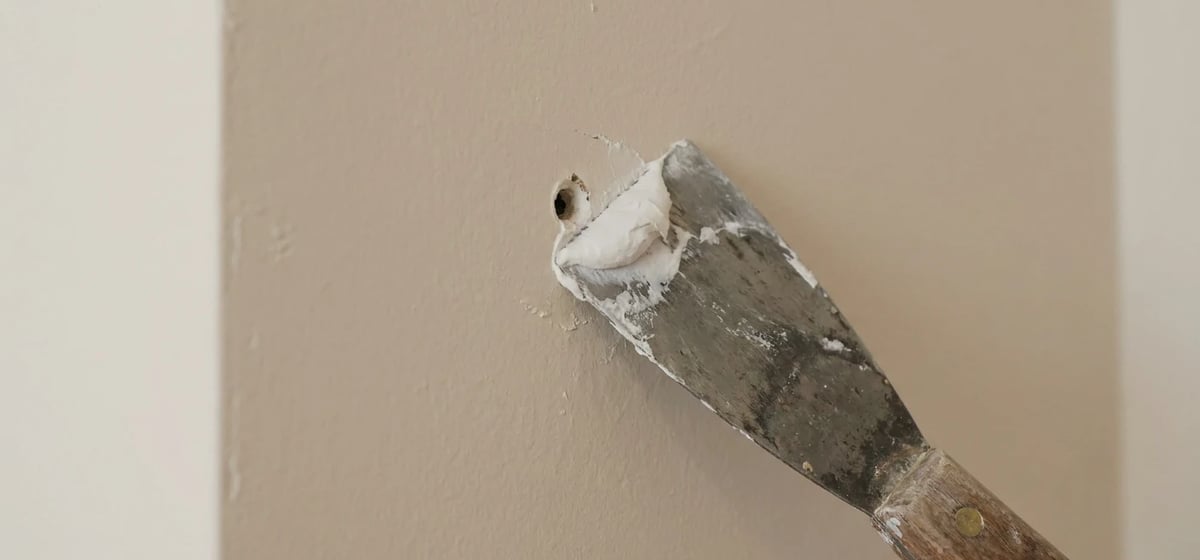
Spackle is a thick white paste you use to fill small holes and cracks in your walls. The name actually comes from a brand trademarked in the 1920s by the Muralo Company. It likely comes from the German word spachtel, which means a putty knife. Today, people use the word to describe almost any lightweight patching compound. You'll find it in almost every homeowner toolkit. It's a staple for Interior: Paint, Drywall & Trim projects. The paste dries quickly and shrinks very little. Once it dries, you can sand it down so it's perfectly flush with your wall. It's made from gypsum powder and special binders that give it a toothpaste texture. Because it holds its shape well, it won't drip down the wall while you're working.
When you should use it
Spackle is strictly for small fixes. Think of nail holes from hanging pictures, minor dents from a doorknob, or hairline cracks. If you're doing DIY vs. Hiring a Pro projects around the house, spackle is the easiest material for beginners. Don't use it for large holes or taping drywall joints. For holes larger than a golf ball, you need joint compound and a patch. Many new homeowners confuse spackle with joint compound. Joint compound is thinner, takes much longer to dry, and shrinks a lot as it cures. Spackle dries fast and hard. It'll crack and fall out if you try to fill a massive hole with it. Keep your spackle jobs limited to spots smaller than a quarter.
How to apply it like a pro
Using spackle is simple and doesn't require special skills. You only need a small putty knife, a fine sanding sponge, and a damp rag. Follow these steps for a perfect repair:
- Clean the hole. Wipe away any loose dust or torn paper from the drywall.
- Scoop a small amount of paste onto the edge of your putty knife.
- Press the paste firmly into the hole at an angle.
- Scrape the blade flat against the wall to pull away the extra paste.
- Leave a very thin mound over the hole because the paste might shrink a tiny bit.
- Let it dry completely. This usually takes 1 to 2 hours.
- Sand the spot gently until it feels smooth and blends into the surrounding wall.
Common mistakes to avoid
Many people rush the painting process after patching a wall. If you paint over wet spackle, the paint will bubble and peel. You must also remember to prime the patched area. Spackle is very porous. If you apply regular wall paint directly over a bare patch, the spackle will suck the moisture out of the paint. This leaves a dull spot on your wall known as flashing. Always dab a little bit of primer over the sanded patch before you roll on your final color. Another common mistake is leaving the lid off the tub. Spackle dries out very fast. If you leave the lid loose, your brand new tub will turn into a solid rock by the next day. Add a few drops of water to the tub before you seal it to keep the paste fresh for your next project.
Types of spackle and what they cost
You can buy spackle at any local hardware store. Costs are very low, though prices vary based on your location and the brand. A small tub usually costs $5 to $12. A complete patch kit with a putty knife and sanding pad might cost $10 to $15. There are a few different types you'll see on the shelf. Lightweight spackle is fluffy and great for tiny nail holes. Heavyweight or vinyl spackle is thicker and works well for slightly deeper gouges. Exterior spackle contains special additives so it can handle rain and temperature changes outside. If you're moving in and tackling Your First Week as a Homeowner, grab a small tub of the lightweight version. It'll help you quickly fix all the small dings the previous owners left behind before you start painting.