What is a Sole Plate?
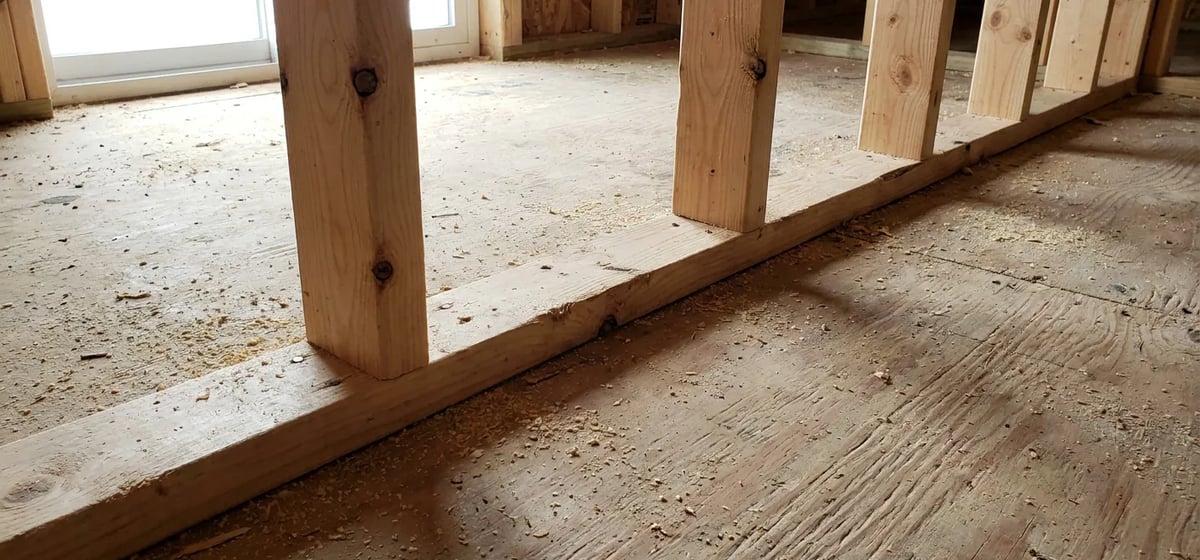
The sole plate is the bottom horizontal piece of wood in a framed wall. It rests directly on the floor. Builders nail the vertical wall studs into this board. Then they drive long nails or screws through the sole plate and into the floor below so the wall stays put. The word sole comes from the Latin word 'solea' meaning the bottom of a shoe or foot. Carpenters adopted the term to describe the bottom resting piece of a wooden wall frame.
You might also hear a contractor call this board a bottom plate. It acts as the anchor for your entire wall. Without it, your walls wouldn't have a solid connection to your house. You will find sole plates on every single framed wall in your home. They sit under the exterior walls and under the interior room dividers.
Why It Matters to You
The sole plate carries the weight of the wall above it. It distributes that weight evenly across your floor system. It also creates a straight, level line for builders to follow when they frame a new room. If the sole plate is crooked, the whole wall will be crooked.
This board also plays a big role in keeping out drafts and bugs. On outside walls, builders place a layer of foam sealer or caulk under the sole plate. This seals the tiny gap between the wood and the foundation. A tight seal helps lower your heating and cooling costs. You can learn more about how your home structure works in our guide to Foundation & Structure.
When You Will Deal With It
You will rarely see a sole plate in a finished house. Drywall and baseboards cover it completely. But you will run into this term if you decide to remodel. If you want to move a wall or add a new doorway, a contractor must cut through the sole plate. If you finish a basement, you'll pay a carpenter to install new sole plates directly onto the concrete floor.
A carpenter might charge 30 to 50 dollars per linear foot to frame a basic interior wall. The sole plate makes up a small fraction of that total material cost. Keep in mind that material and labor prices change, so ranges vary based on your local market.
Signs of Trouble
Because the sole plate sits at the very bottom of the wall, it takes the brunt of any water damage. If a pipe bursts or a bathtub overflows, the water pools on the floor and soaks right into the sole plate. Over time, wet wood will rot and lose its strength.
Termites and carpenter ants also love damp wood near the ground. You might have a damaged sole plate if you notice these warning signs:
- Soft or crumbling wood behind your baseboards.
- A noticeable gap opening up between the floor and the bottom of the wall.
- Baseboards that pull away from the wall for no clear reason.
- A wall that feels loose or wobbly when you push on it.
Fixing a damaged sole plate is a major job. A contractor must support the weight of the wall from above, cut out the bad wood, and slide a new piece into place. This kind of structural repair can cost 500 to 1500 dollars depending on how much wall needs fixing. If you suspect hidden water damage, you should read our Plumbing guide to help track down the leak before it ruins more of your framing.