What Is Spray Foam Insulation?
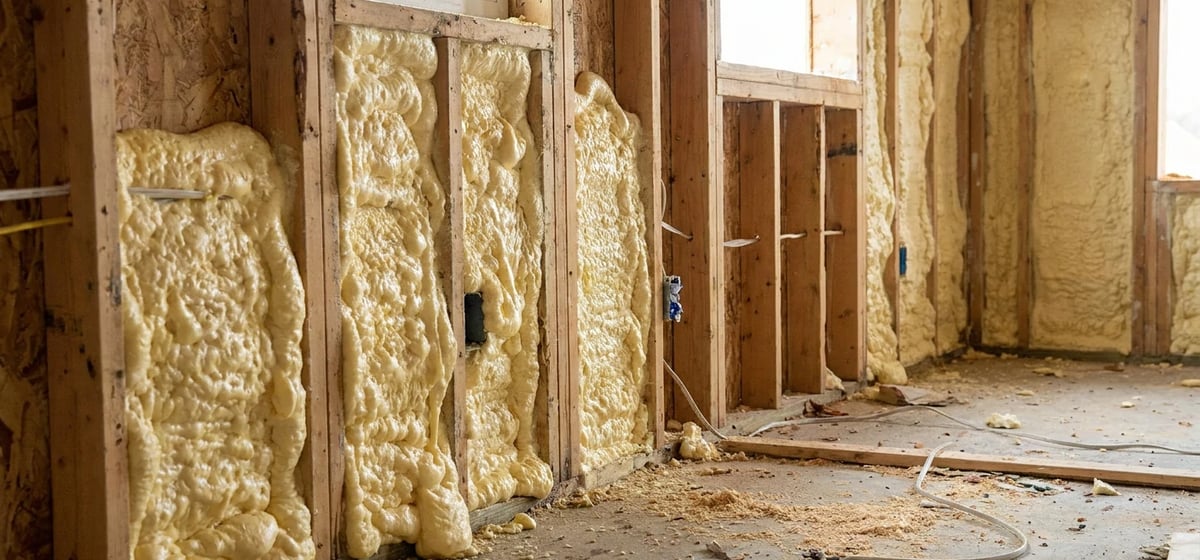
Spray foam insulation is a liquid chemical that expands into a thick solid when you spray it onto walls or roofs. It fills tiny gaps to block air leaks and keep your home at a comfortable temperature. The military developed early polyurethane foams in the 1940s for airplane construction. Builders started using it in homes during the 1970s energy crisis to stop heat from escaping. Today, it is one of the most effective ways to seal a house and keep your energy bills low.
Why It Matters For Your Home
Most traditional insulation looks like fluffy pink blankets. Those fiberglass batts slow down heat transfer, but they do not stop air from moving through the gaps. Spray foam does both. When a contractor sprays the liquid, it expands up to 100 times its original size. It creeps into every crack and crevice before hardening. This creates a tight seal against outside air. A tight house means your HVAC & Climate Control system does not have to work as hard. You save money on heating and cooling bills. You also get fewer drafts, more consistent room temperatures, and better protection against outdoor allergens. Bugs and mice have a much harder time chewing through solid foam compared to soft fiberglass.
Open Cell Versus Closed Cell
Contractors offer two main types of spray foam. You need to know the difference before you hire someone.
- Open cell foam: This type is lighter and softer. It expands a lot, making it great for filling thick walls. It blocks air but lets moisture pass through. It is cheaper than closed cell foam.
- Closed cell foam: This type is very dense and hard. It blocks both air and water. It adds structural strength to your walls and roof. It costs more, but it provides a higher insulation value per inch. This makes closed cell foam perfect for areas where you do not have a lot of space for thick insulation.
Where You Will See It Used
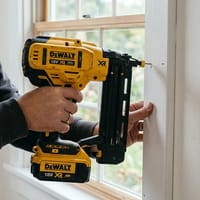
You will often see spray foam used in attics and unfinished basement walls. Contractors love spraying it on the underside of the roof deck. This turns a hot, dusty attic into a clean, conditioned space. Builders also use it in new construction to seal exterior walls before putting up drywall. If you live in an older home, you might hire a pro to inject it into closed walls to improve energy efficiency without tearing down the drywall. You can also buy small cans of spray foam at the hardware store. These are perfect for sealing small gaps around plumbing pipes, electrical wires, or window frames.
What It Costs And Things To Watch For
Spray foam is a premium product. It costs more upfront than traditional fiberglass or blown cellulose. For a typical attic, expect to pay 1,500 to 4,000 dollars depending on the size of your home, the thickness required, and the type of foam you choose. Whole house installations can run 5,000 to 10,000 dollars or more. Keep in mind that prices vary based on your location and the contractor. You can read more about Hiring Contractors & What Things Cost to prepare for these bids.
You must hire an experienced professional for large jobs. If the installer mixes the chemicals wrong, the foam will not cure properly. Bad foam can leave a lingering fishy smell in your house and fail to insulate well. Removing bad foam is extremely difficult, messy, and expensive. Always check references and make sure your contractor is certified to apply the specific brand of foam they use.