What Is A Standby Generator
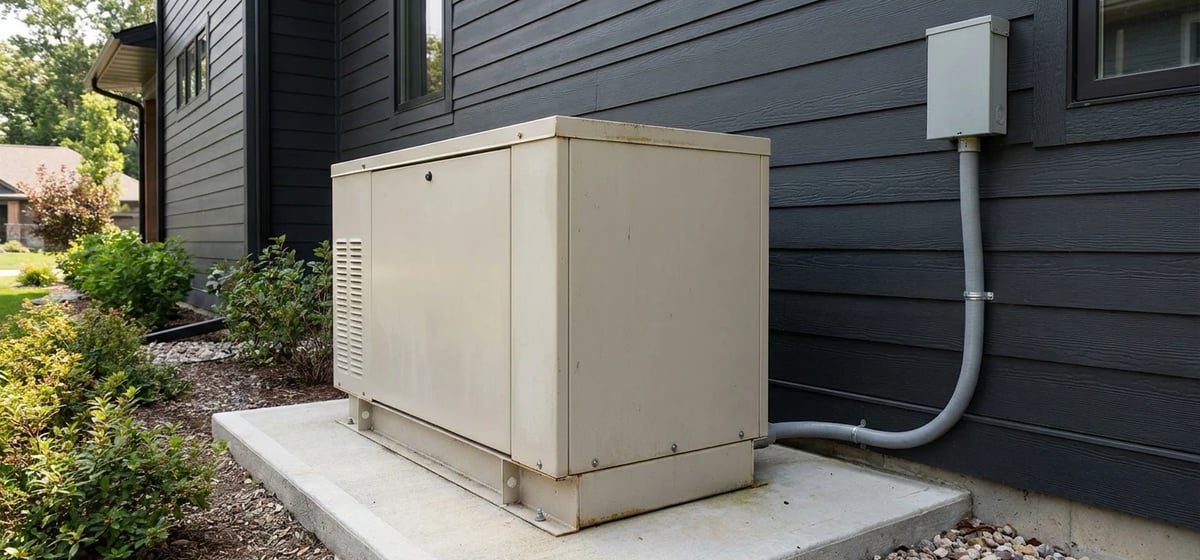
A standby generator is a large backup power system that sits permanently outside your home. It looks a lot like an outdoor air conditioner unit. Unlike a small portable generator that you roll out of the garage and plug into, a standby unit connects directly to your home Electrical system. It turns on automatically when the utility power goes out. You can choose to power your entire house or just a few important circuits. This keeps your lights on, your fridge cold, and your family safe during a long outage. The word generator comes from the Latin root generare, meaning to produce or create. These systems became common in homes during the late twentieth century as people wanted more reliable backup power.
How It Works
The brain of a standby generator is an automatic transfer switch. This switch constantly watches the power coming from your utility company. When the power drops, the switch tells the generator to start. Once the generator reaches full speed, the switch moves your home off the dead utility line and onto the generator power. This whole process takes just 10 to 20 seconds. You don't have to flip any switches or run any extension cords. When the utility power comes back on, the switch moves your home back to the normal grid and shuts the generator down.
Costs And Fuel Types
Standby generators run on natural gas or liquid propane. If your house already has natural gas, the installer will connect the generator straight to your gas line. If you use propane, you'll need a dedicated tank in your yard. Because they run on these fuels, you never have to worry about storing cans of gasoline or refilling a tank in the middle of a storm.
These systems are a big investment. A typical home standby generator costs 5,000 to 15,000 dollars fully installed. Prices range widely based on the size of the unit and how much new wiring your home needs. A small unit that just runs your kitchen, your well pump, and a few lights will cost on the lower end. A massive unit that powers a large house and keeps your HVAC & Climate Control system running smoothly will push the price much higher.
Maintenance And Upkeep
A standby generator needs regular care to make sure it works when you need it. The engine is just like a car engine. It needs fresh oil, clean filters, and new spark plugs every year or after a long run time. Most units run a short self test every week. You'll hear the engine start up and run for about 10 to 15 minutes. This keeps the battery charged and the engine parts lubricated. You can usually set this weekly test to happen during the middle of the day so it doesn't wake you up.
You should also keep the area around the generator clear. Don't plant thick bushes right next to it. The engine needs plenty of fresh air to stay cool. If you live in an area with harsh winters, clear the snow away from the vents so the engine doesn't suffocate. If you want to learn more about handling power outages, check out our guide on Home Emergencies to keep your family ready for anything.