What a Transfer Switch Is
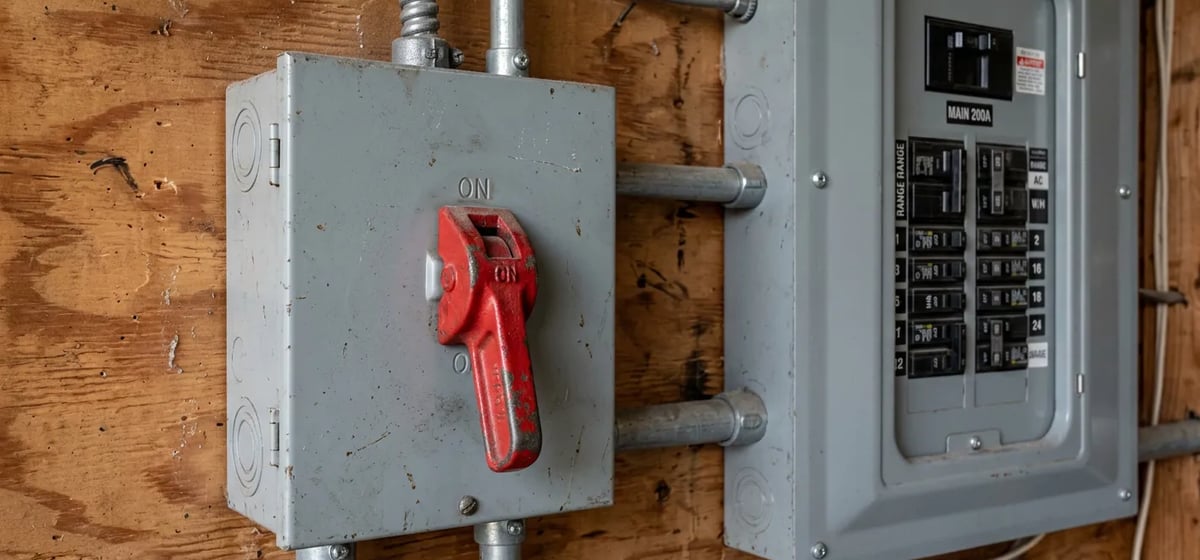
A transfer switch is a heavy metal electrical box mounted on your wall. It usually sits right next to your main breaker panel. When a bad storm knocks out the power, this switch lets you safely connect a backup generator to your house. It physically disconnects your home from the utility grid before it brings in the generator power. This is a vital piece of your home Electrical system if you want to keep the lights on during a blackout.
Inside the box, there are several small breakers. These look just like the ones in your main panel. When an electrician installs the switch, they move your most important circuits over to this new box. You usually pick things like your refrigerator, your furnace, your well pump, and a few key light fixtures. This way, your generator doesn't get overloaded trying to power your whole house at once.
Why It Is So Important
You might hear stories of people plugging a generator directly into a dryer outlet to power their home. That is incredibly dangerous and highly illegal. Doing that is called backfeeding. It sends electricity backward out of your house and into the neighborhood power lines.
That sudden surge of electricity travels down the street and hits the utility workers who are trying to fix the outage. It can shock and even kill them. A transfer switch completely prevents this from happening. The internal mechanics make it impossible for the switch to connect to the generator and the utility grid at the same time. It also protects your own appliances from massive power spikes when the grid power finally comes back on. Handling power outages safely is a big part of managing Home Emergencies.
Manual Versus Automatic
When you shop for a transfer switch, you have to choose between two main types.
- Manual transfer switches: You have to walk to the electrical panel to flip these by hand. You roll out your portable generator, plug it into an inlet box outside, start the engine, and pull the heavy lever on the switch. These are cheaper and very common for portable generators.
- Automatic transfer switches: These do all the hard work for you. They constantly watch the utility power coming into your home. The second the grid goes down, the switch turns on your permanent standby generator and flips the power over. When grid power comes back, it switches everything back and turns the generator off. You don't have to lift a finger.
What It Costs to Install
You always need a licensed electrician to install a transfer switch. The job involves opening your main breaker box and moving live wires. Prices depend heavily on the size of your generator and the type of switch you buy. Keep in mind that these ranges vary based on where you live and current local labor rates.
A manual transfer switch usually costs 300 to 800 dollars for the part alone. Labor adds another 500 to 1000 dollars. An automatic transfer switch is much more expensive. The unit itself runs 1000 to 3000 dollars. The labor to wire it up can easily add another 1000 to 2000 dollars. If you need help finding a good electrician, read up on Hiring Contractors & What Things Cost.
Maintenance and Testing
You should test your transfer switch at least once a year. The best time to do this is in the fall before winter storms arrive. Turn off the main breaker to simulate an outage, start your generator, and flip the switch over. Walk around the house and make sure your essential circuits actually get power. This simple test ensures you are ready when a real emergency hits.