What is a DC-to-AC Ratio?
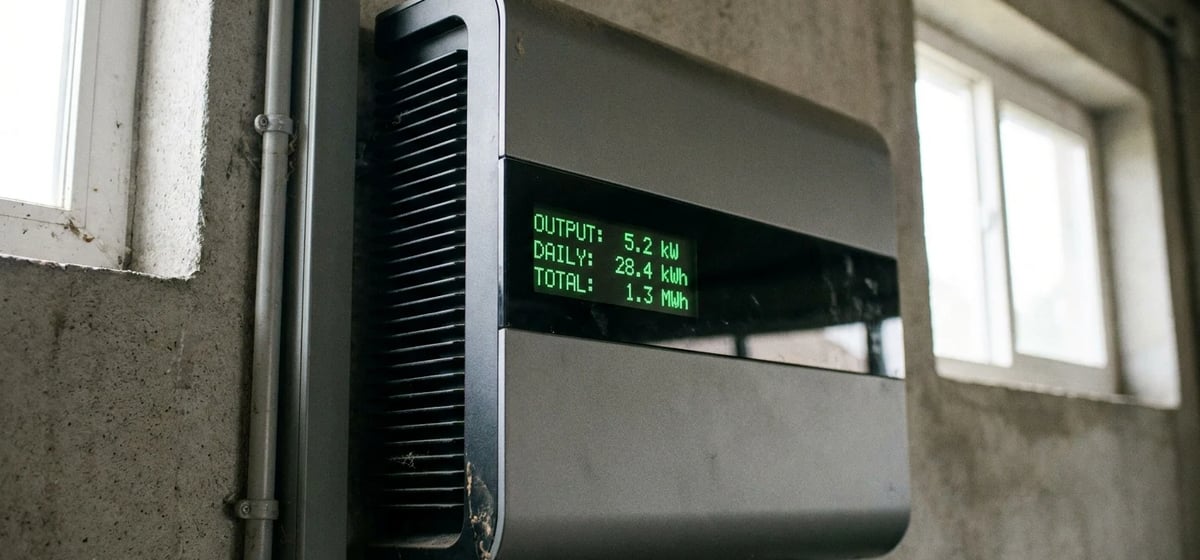
Your solar panels produce direct current electricity. Your home and the utility grid use alternating current electricity. You need an inverter to change the direct current into alternating current. The DC-to-AC ratio compares the total power of your panels to the maximum power your inverter can process.
Installers calculate this by dividing the panel wattage by the inverter wattage. A ratio of 1.2 means your panels can produce 20 percent more power than your inverter can handle at one time. Most residential solar setups aim for a ratio between 1.15 and 1.25.
You might wonder why anyone would want panels that produce more power than the inverter can use. It seems like you are wasting energy. However, building a system this way actually makes your setup more efficient and saves you money.
Why Panels Rarely Hit Peak Power
Solar panels come with a maximum power rating tested in a perfect laboratory. Your roof is not a perfect laboratory. Real world conditions constantly lower the amount of power your panels create.
Clouds, dust, and shade keep the sun from hitting the panels perfectly. High summer temperatures also reduce panel efficiency. Because of these factors, a system rated for 10 kilowatts might only produce 8 kilowatts on a normal afternoon.
If you buy a 10 kilowatt inverter for a 10 kilowatt panel system, your ratio is exactly 1 to 1. That large inverter will spend most of its life running below its maximum capacity. Inverters run most efficiently when they operate near their maximum limit.
Understanding Power Clipping
When you have a higher DC-to-AC ratio, your inverter hits its sweet spot earlier in the morning and stays there later into the evening. It pumps out a steady stream of usable power all day long. But there is a catch called power clipping.
On a perfectly clear and cool day, your panels might actually hit their peak rating. If your panels send 10 kilowatts of power to an 8 kilowatt inverter, the inverter simply ignores the extra 2 kilowatts. That extra energy clips off and disappears.
Installers use software to predict exactly how much clipping your system will experience over a year. A good design keeps the clipped energy below 2 percent of your total annual production.
How This Impacts Your Wallet
Choosing the right ratio impacts your upfront costs when you install Solar Panels. Solar inverters are expensive pieces of equipment. A central string inverter generally costs between $1,000 and $2,500 based on its size.
By choosing a slightly smaller inverter, you save hundreds of dollars on the installation. You also get better daily performance out of the equipment. This balance of cost and performance is why the 1.15 to 1.25 ratio is an industry standard.
When you review bids from different companies, check the equipment list. If one company proposes a much larger inverter than the others, ask them to explain their math. You can also read more about comparing bids in our guide to Hiring Contractors & What Things Cost.
Keep in mind that federal tax credits for home energy projects have ended. The Residential Clean Energy Credit does not apply to any solar equipment installed after December 31, 2025. You should check with your local utility company and state energy office for current rebates or incentives.