What is a storm window?
A storm window is an extra glass or plastic panel that you install over your existing exterior windows. Builders in the 1800s called them storm sashes. They used them to protect expensive glass from severe winter weather. The term evolved into storm window as modern aluminum frames replaced heavy wooden ones. Today, they still do the exact same job. They add a layer of trapped air between the harsh outside weather and your main window. This trapped air is a fantastic insulator. It blocks cold drafts and lowers your heating bills.
You'll often see them as permanent attachments on the outside of a house. You might also see them as removable inserts that sit on the inside. Either way, they act like a clear shield for your home.
Why they matter to you
If you live in an older house, your original windows might only have a single pane of glass. Single panes let a massive amount of heat escape. Replacing all your windows is a huge project. A full house upgrade can easily cost tens of thousands of dollars. You can read more about Window Replacement Cost to see those big numbers.
Storm windows give you a much cheaper way to get similar energy savings. They seal up drafty gaps and keep your warm air inside during the winter. In the summer, they keep your expensive air conditioning from leaking out. Some even have special coatings that block hot sun rays. They also protect your primary window frames from rain, ice, and snow. This helps your original wood frames last much longer. As a bonus, that extra layer of glass does a great job of blocking out loud street noise.
Costs and common types
You have a few options when shopping for storm windows. Prices depend on the size of your window and the material you choose. Keep in mind that ranges vary based on where you live and who does the work.
- Exterior aluminum frames: These are the most common type. You screw them right into the outside window frame. They usually cost 100 to 300 dollars per window. You can leave them up all year.
- Interior inserts: These press tightly into the inside of your window frame. They often use clear acrylic or glass. They are great for historic homes where you can't change the outside look. Expect to pay 150 to 400 dollars each.
- Temporary plastic film: This is a very cheap option you do yourself. You stick plastic wrap over the inside frame and shrink it tight with a hair dryer. A single kit costs 10 to 20 dollars and covers several windows. You throw the plastic away in the spring.
What to watch for
Storm windows need a little attention to work right. If you install exterior ones, you must pay attention to the bottom edge. Make sure you don't caulk the bottom shut.
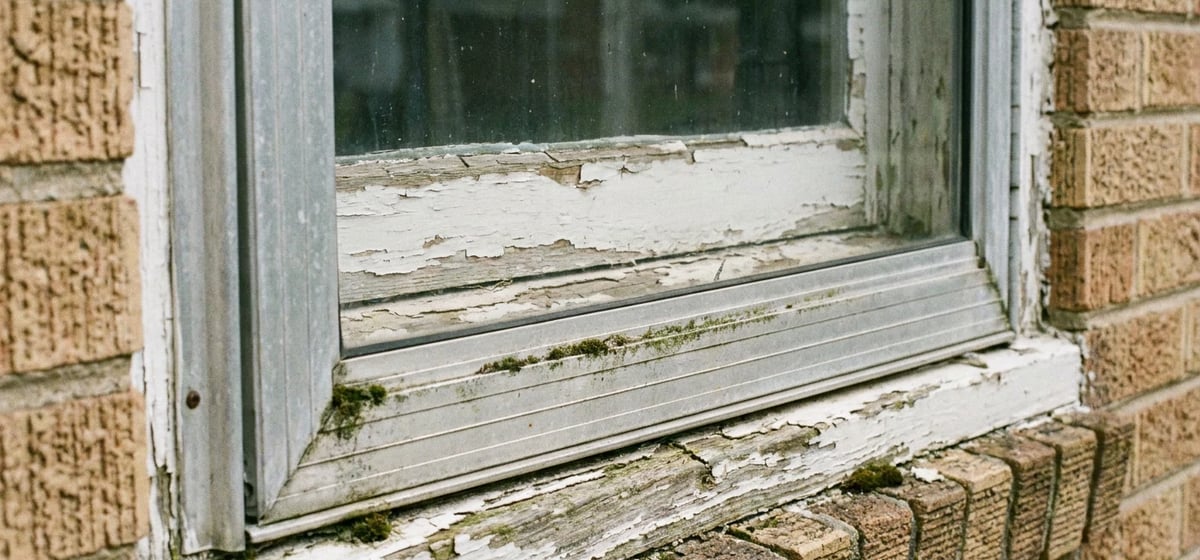
If water can't escape through the weep holes, it will pool up and rot your wooden window sills. You also need to check the weatherstripping around the edges every few years. If the rubber cracks, cold air will get right past the storm window. Older exterior storm windows might get stuck in their metal tracks. A little silicone spray helps them slide up and down easily.
If you want to learn more about keeping your home sealed tight, check out our guide on Windows & Doors. Finally, be careful if you live in an older home. Houses built before 1978 might have lead paint on the original window frames. Scraping or drilling into them to install storm windows can release dangerous dust. You can check our section on Environmental Hazards if you're worried about lead paint in your home.