What is stucco?
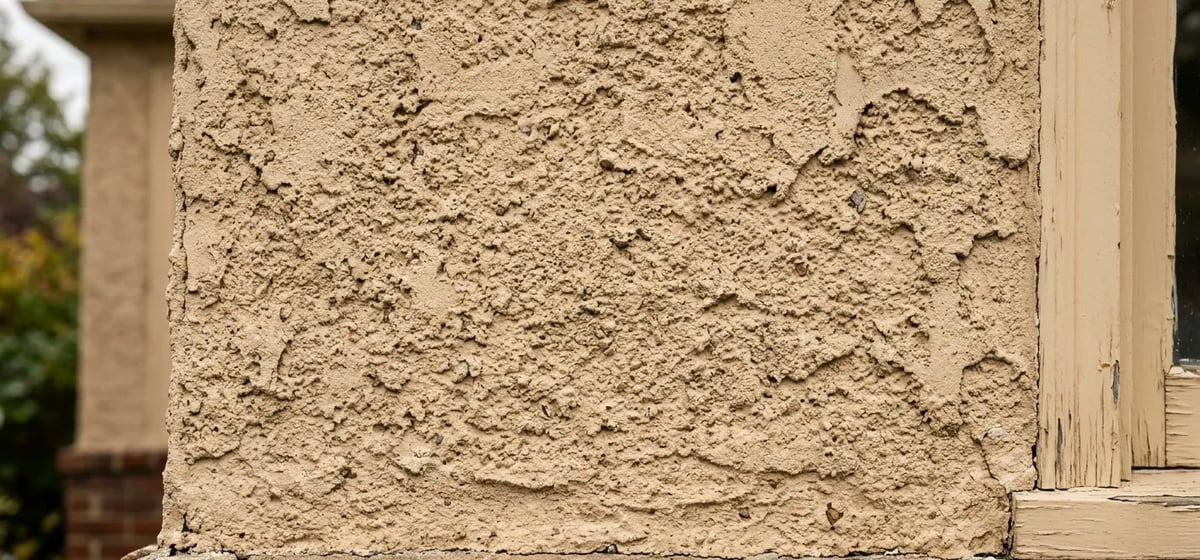
Stucco is a tough exterior finish that covers the outside walls of many homes. It's made from a simple mix of Portland cement, sand, and water. Builders apply it wet over a wire mesh base, which holds the heavy mixture in place. Once it dries, it turns into a rock hard shell. This thick layer protects your house from wind, rain, and harsh weather. You'll often see it on homes in the Southwest and Florida, but it's popular all over the country. The word itself has a long history. It comes from the Old High German word stoc, which means a crust or piece of wood. Italian builders later adapted the word to describe their fancy plasterwork.
Modern stucco often includes special polymers. These plastic like additives help the mix stretch just a tiny bit, which cuts down on cracking. Builders also put a special waterproof barrier behind the wire mesh. This barrier is your last line of defense against rain.
Why this finish matters for your home
Stucco does more than just look nice. It adds an extra layer of insulation to your house, which can help keep your energy bills down. It's also fire resistant and holds up well against pests like termites. When you care for it right, a stucco finish can last 50 to 80 years. But it's not completely foolproof. Stucco is rigid, so it doesn't bend or flex. When the ground shifts or your house settles, the stucco can crack. Small cracks are normal and easy to fix. Big cracks are a warning sign. They let water sneak behind the walls. Once water gets trapped behind the hard shell, it can rot the wood framing of your house. If you want to learn more about keeping your outside walls safe, read our guide on Exterior: Siding, Garage & Decks.
How to maintain your stucco
Taking care of stucco is pretty simple, but you have to stay on top of it. You should walk around your house twice a year to look for damage. Keep an eye out for thin cracks, dark stains, or pieces that are chipping off.
- Wash it gently: Use a garden hose to rinse off dirt and dust. Don't use a high pressure washer. High pressure can blast chunks of stucco right off the wall.
- Seal small cracks: You can buy masonry caulk at any hardware store. Squeeze it into tiny hairline cracks to keep water out.
- Watch your sprinklers: Make sure your lawn sprinklers don't spray directly onto your walls. Constant water will wear down the finish and cause ugly dark stains.
- Keep plants away: Trim your bushes and trees so they don't scrape against the house. Plants hold moisture against the wall and can damage the surface.
Painting stucco is another common maintenance task. You can't use regular house paint. You have to use a special elastomeric paint. This paint is thick and rubbery. It stretches over tiny cracks and seals the wall completely. If you paint stucco with cheap paint, the moisture inside the walls gets trapped. The trapped moisture will eventually push the paint off in large flakes.
When to call a pro and what it costs
You can fix tiny cracks yourself, but big repairs require a professional. If you see cracks wider than a credit card, you need to call an expert. You also need a pro if you notice soft spots, bulging areas, or chunks falling off. These are signs of serious water damage. Water problems can even affect the base of your home, so you might need to check your Foundation & Structure if the damage is low to the ground.
Repair costs depend on how much damage you have. Patching a few medium cracks or a small hole usually costs 400 to 1,500 dollars. If you have major water damage or need to redo the whole house, you're looking at a huge job. A full replacement usually costs 8,000 to 15,000 dollars or more. These ranges vary based on your location and the size of your home. Sometimes, a contractor will suggest adding a synthetic stucco layer over the old one. This is called EIFS. It stands for Exterior Insulation and Finish System. It looks like traditional stucco but feels slightly soft when you push on it. EIFS is great for insulation but needs perfect installation to prevent water traps. If a pro suggests this, ask them exactly how they plan to seal the edges. Before you hire someone for a big repair, check our tips on Hiring Contractors & What Things Cost.