What It Is
A surge protector is an electrical device that defends your home electronics from sudden spikes in power. The word surge comes from the Latin word surgere, meaning to rise up. The electronics industry coined the term in the 1950s when sensitive computer equipment first needed protection from unpredictable power grid spikes. Today, these devices catch extra voltage from a lightning strike or a local power grid issue. They safely dump that dangerous extra electricity into the ground before it can reach your plugged-in devices.
Power spikes happen more often than you might think. Lightning strikes are the most famous cause. However, most power surges actually come from inside your own home. When large motors turn on and off, they create small surges. Your air conditioner, your refrigerator, and your washing machine all send tiny spikes through your home wiring every day. Over time, these small hits degrade your electronics.
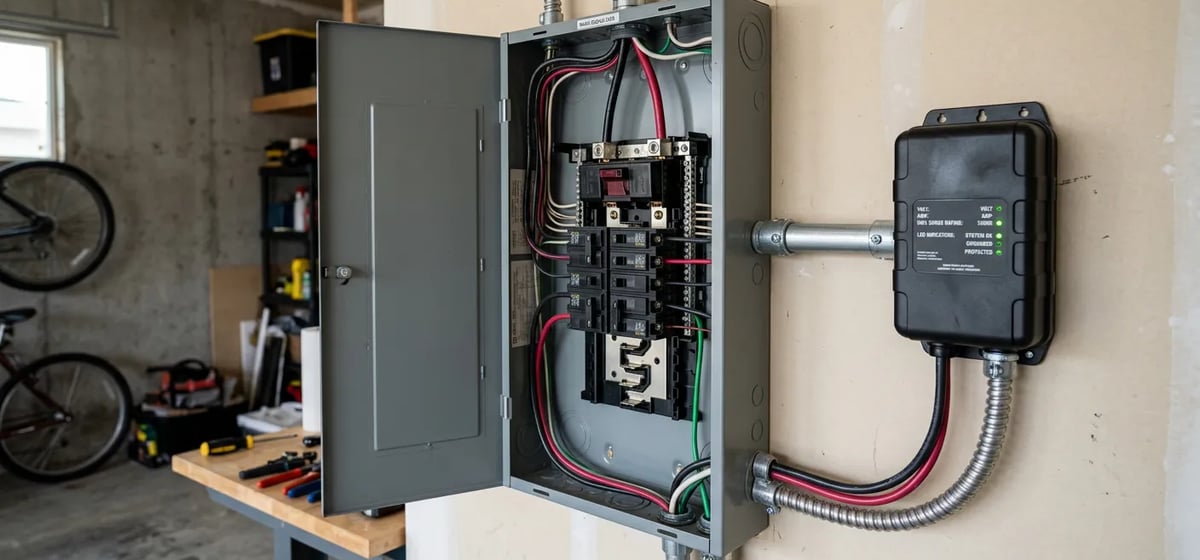
You will find two main types of surge protectors. The first is a small point of use device that looks like a regular power strip. You plug it directly into a wall outlet. The second is a whole house surge protector. An electrician installs this large metal box right at your main electrical panel.
Why It Matters To You
Modern homes run on delicate electronics. Even heavy household machines now have sensitive computer boards inside them. A sudden spike in electricity can fry these parts in a split second. This means you could lose thousands of dollars in ruined equipment from a single bad storm. A good surge protector acts like a bouncer for your Appliances and gadgets. It only lets the safe amount of power through the door.
For the best defense, experts recommend a two step approach. A whole house unit stops massive outside surges from entering your breaker box. Then, smaller plug-in protectors catch the tiny surges created by your own household machines. This layered defense saves you from the massive cost of replacing all your televisions, computers, and kitchen machines.
Where You Run Into It
You deal with small surge protectors every time you set up a home office or buy a new television. You plug them into the wall and then plug your devices into them. You run into whole house protectors when you upgrade your home wiring or hire an electrician to work on your main breaker box. You can learn more about how your breaker box works in our guide to Electrical systems.
| Type of Protector | Where It Goes | What It Protects |
|---|---|---|
| Point of Use | Wall outlet | Single devices like a TV or computer |
| Whole House | Main breaker panel | Every wire and outlet in the entire house |
Costs for these devices vary widely based on where you live and the brand you choose. Small plug-in strips usually cost 15 to 50 dollars. A whole house unit costs much more. The device itself runs 150 to 300 dollars. You will also pay an electrician 150 to 400 dollars for the labor to install it. The total project usually costs 300 to 700 dollars.
What To Watch For
Surge protectors do not last forever. Every time they absorb a small power spike, they lose a little bit of their defense power. Eventually, they stop working as protectors and just act like regular extension cords. Here are a few things to keep an eye on when you buy or inspect them.
- Indicator lights: Most good protectors have a small light that says protected or grounded. If that light goes out, the internal parts are fried. You need to throw the unit away and buy a new one immediately.
- Joule ratings: This number tells you how much total energy the device can absorb over its lifetime. Look for a rating of at least 1000 joules for basic electronics. You want 2000 joules or more for expensive computers and home theater systems.
- Power strips versus protectors: A cheap power strip only gives you extra outlets. It does not offer any surge protection at all. Always read the packaging to make sure it actually says surge protector.