What Is a Thermistor?
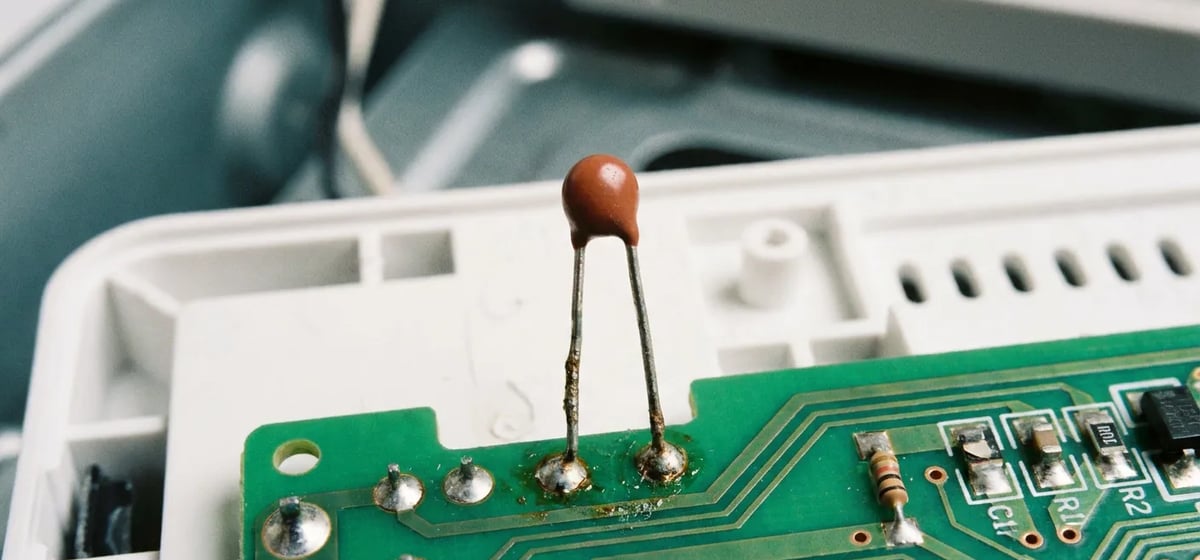
A thermistor is a small but important temperature sensor inside your home appliances. Samuel Ruben invented the first commercial thermistor in 1930. The name is a blend of the words thermal and resistor. This name explains exactly how the part works. It's an electrical resistor that changes its resistance when the temperature changes.
Your appliances have control boards that act like small computers. These boards need to know how hot or cold things are. They send a small electrical current through the thermistor. When the air or water gets hotter, the thermistor changes how much electricity it lets through. The control board reads this change. It then decides to turn the heater on, turn the compressor off, or sound an alarm. Without this tiny sensor, your machines wouldn't have any idea what temperature they're running at.
Where You'll Find Them
You interact with thermistors every single day without knowing it. They're hidden inside almost every machine that heats up or cools down. You'll find several of them inside your major household Appliances.
Your refrigerator uses one to monitor the freezer and another to monitor the fresh food section. Your clothes dryer uses one to make sure your clothes dry quickly without catching fire. Your dishwasher uses one to ensure the water is hot enough to sanitize your plates. You'll also find them in your HVAC & Climate Control equipment. The smart thermostat on your wall uses a thermistor to measure the room temperature. Your furnace and air conditioner use them to monitor the air flowing through your ducts.
Signs of a Broken Thermistor
Thermistors wear out over time. The constant heating and cooling can cause the materials inside to break down. When a thermistor fails, it sends the wrong electrical signal back to the main control board. The machine gets confused and starts doing the wrong things.
Here are a few common signs that a thermistor is failing in your home:
- Your refrigerator freezes your fresh vegetables because it thinks the fridge is too warm.
- Your clothes dryer runs for hours but the clothes are still damp.
- Your oven burns your dinner because it keeps heating past the set temperature.
- Your air conditioner runs without stopping and turns your house into an icebox.
- Your appliance display flashes an error code related to a temperature sensor fault.
Repair Costs and Replacement
The good news is that a thermistor is one of the cheapest parts to buy. The bare part usually costs 10 to 30 dollars at a hardware store or online parts dealer. The bad news is that you have to take the appliance apart to reach it. This means you're mostly paying for labor if you hire someone to fix it.
An appliance repair technician will usually charge 150 to 300 dollars to diagnose the issue and install the new sensor. These ranges vary depending on where you live and how hard it is to take your specific machine apart. Replacing a dryer thermistor is usually fast. Digging one out of a sealed refrigerator panel takes much longer.
If you're handy, testing and replacing a thermistor is a very common weekend project. You just need a screwdriver and a cheap digital multimeter. You touch the multimeter probes to the thermistor wires to see if it still has electrical resistance. If the meter reads zero, the part is dead. If you're unsure about doing this yourself, read our guide on DIY vs. Hiring a Pro to help you decide. Always remember to unplug your appliance from the wall before you open any panels or touch any wires.