What Is a TPR Valve?
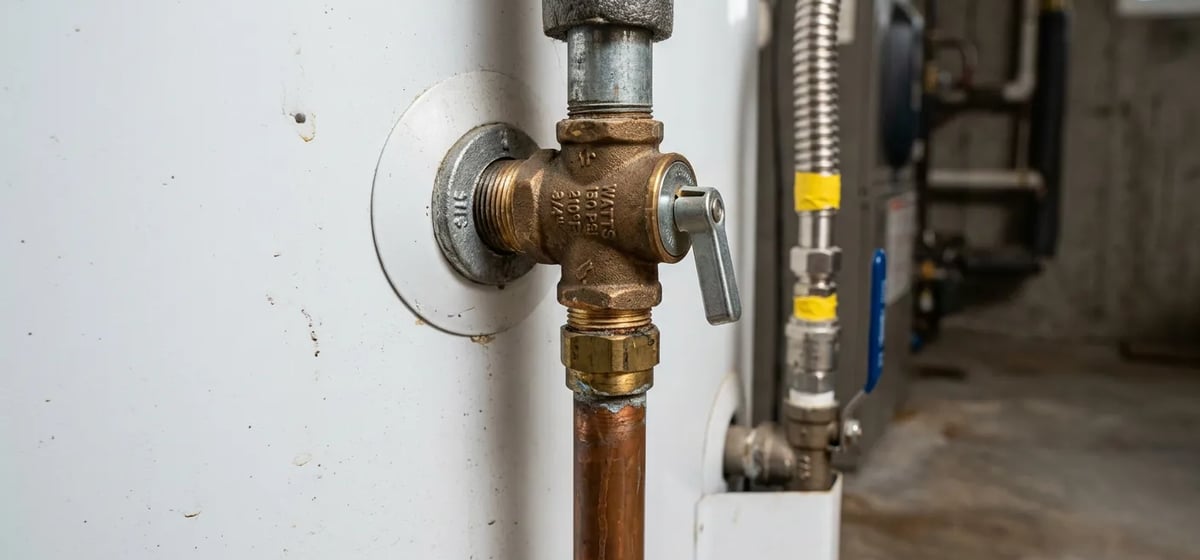
A TPR valve stands for temperature and pressure relief valve. It is a small brass fitting on your water heater. Engineers invented these valves in the early 1900s after a string of deadly boiler explosions in homes and factories. The name is a literal description of the two forces it monitors. If the water inside your tank gets too hot or builds up too much pressure, this valve opens up. It lets water and steam escape safely. Without it, your water heater could explode like a bomb and destroy your house.
Why It Matters to You
Your water heater works hard every day. It heats cold water and stores it for your showers, laundry, and dishes. Heating water makes it expand. That expansion creates pressure inside the closed metal tank. Usually, the tank handles this routine pressure just fine. But if a thermostat breaks or a heating element malfunctions, the water keeps heating. The pressure keeps rising with nowhere to go. The TPR valve is your final safety net. It senses when the temperature hits 210 degrees Fahrenheit or the pressure reaches 150 pounds per square inch. When it hits either of those danger zones, it pops open to release the dangerous buildup. This simple brass part prevents catastrophic Home Emergencies and keeps your family safe. Without it, the pressure would literally rip the steel tank apart.
Where You Will Find It
You can easily spot the TPR valve on your water heater. Look at the top or the upper side of the tank. You will see a brass valve with a small metal lever on it. A pipe connects to this valve and runs straight down toward the floor. This pipe is called the discharge tube. If the valve opens, the discharge tube directs the scalding hot water safely down to the floor or a drain. It stops the boiling water from spraying right into your face.
What to Watch For
You should check your TPR valve once a year. A broken valve might not give you any warning before a disaster happens. Look for a few common warning signs.
- Leaking or dripping: If you see water pooling under the discharge tube, the valve is weak or failing.
- Crusty buildup: White or green mineral crust around the valve means it has been seeping water.
- Missing discharge tube: The valve must have a pipe leading down. If it just points out into the room, it is a major safety hazard.
Testing and Replacement Costs
Testing the valve is an easy task you can do yourself. First, put a bucket under the discharge tube. Then, lift the small metal lever on the valve for two or three seconds. Scalding hot water should gush out of the tube and into the bucket. When you let go of the lever, it should snap back into place and the water should stop completely. If no water comes out, the valve is clogged. If it keeps dripping after you let go, the spring inside is broken. In either case, you need a new valve right away.
Replacing a TPR valve is a basic plumbing job. You can read more about hiring help in our guide to Hiring Contractors & What Things Cost. A plumber will usually charge 150 to 300 dollars to drain the tank slightly, remove the old part, and install the new valve. The part itself only costs 15 to 25 dollars at a hardware store. Keep in mind that prices range based on your location and the plumber you choose. If your water heater is very old and rusty, a plumber might suggest replacing the whole unit instead of just the valve. You can learn more about water heater lifespans and maintenance in our Plumbing section.