What Is a Utility Knife?
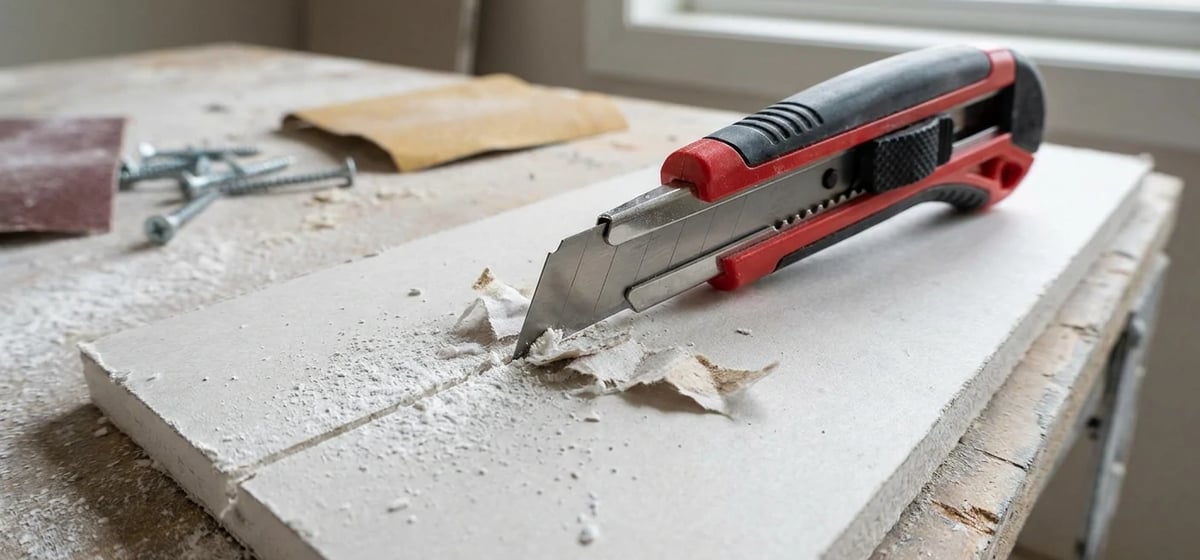
A utility knife is a small hand tool with a sharp razor blade. The blade is replaceable. Most models let you slide the blade inside the handle. This keeps you safe when you aren't using it. You can find them in almost every toolbox. Some people call them box cutters or Stanley knives. The word utility comes from the Latin utilitas, meaning usefulness. Tool companies started calling these specific cutting tools utility knives in the early 1900s because they handled so many basic jobs.
Why You Need One
When you move into a new house, you have a lot of boxes to open. A good utility knife makes this fast and easy. It's one of the most important tools to grab during Your First Week as a Homeowner. Scissors get dull quickly. Kitchen knives are dangerous for opening packages. A utility knife gives you a clean cut every time. The blades are cheap. When one gets dull, you just swap it out for a new one.
You might want to buy two or three of them. Keep one in your kitchen drawer for daily packages. Keep another one in your main toolbox. Keep a third one in your garage or shed. This saves you from walking all over the house just to find a knife. Before you decide between DIY vs. Hiring a Pro for small home repairs, make sure you have the right basic tools. A utility knife is a great starting point. It helps you handle minor fixes without calling a handyman. You'll save money and learn how your house works.
Common Uses Around the House
You'll grab this tool for many jobs. It isn't just for cardboard. Here are some common ways you'll use it:
- Cutting drywall patches to fix holes in your walls.
- Trimming old caulk away from tubs, showers, and sinks.
- Slicing through thick tape, zip ties, and heavy plastic wrap.
- Scoring old paint before you pull off baseboards so you don't tear the wall.
- Cutting pieces of carpet or vinyl flooring to fit small spaces.
- Opening bags of soil or mulch in the garden.
- Stripping the plastic coating off electrical wires.
- Cutting foam insulation panels for your basement walls.
Types and Costs
There are a few main styles of utility knives. The most common type is the retractable knife. You push a button with your thumb to slide the blade out. Another popular type is the folding knife. It folds in half like a pocket knife and usually has a clip for your belt. You might also see snap off blades. These have a long blade with lines on it. When the tip gets dull, you use pliers to snap off the end to get a fresh sharp point.
These tools are very affordable. Basic plastic retractable knives cost 3 to 10 dollars. Heavy duty metal knives cost 10 to 25 dollars. A pack of 50 replacement blades costs 10 to 15 dollars. Keep in mind that prices and ranges vary depending on the brand and the hardware store you visit. Buying a big pack of blades upfront saves you time later.
Safety and Maintenance
A dull blade is actually more dangerous than a sharp one. If the blade is dull, you have to push much harder. This makes the knife slip and jump out of the cut. Always cut away from your body. Keep your free hand far away from the cut line. Make sure you have good lighting when you work. Use a metal straight edge or a metal ruler to guide your cuts. Don't use a plastic ruler. The sharp blade will slice right through the plastic and ruin your straight line.
When you do Interior: Paint, Drywall & Trim work, change your blade often. Drywall and thick cardboard dull a blade very fast. Throw old blades away safely. Wrap them in thick tape before you put them in the trash. Some blade dispensers have a slot in the back to store your used blades safely.