What is a weep hole?
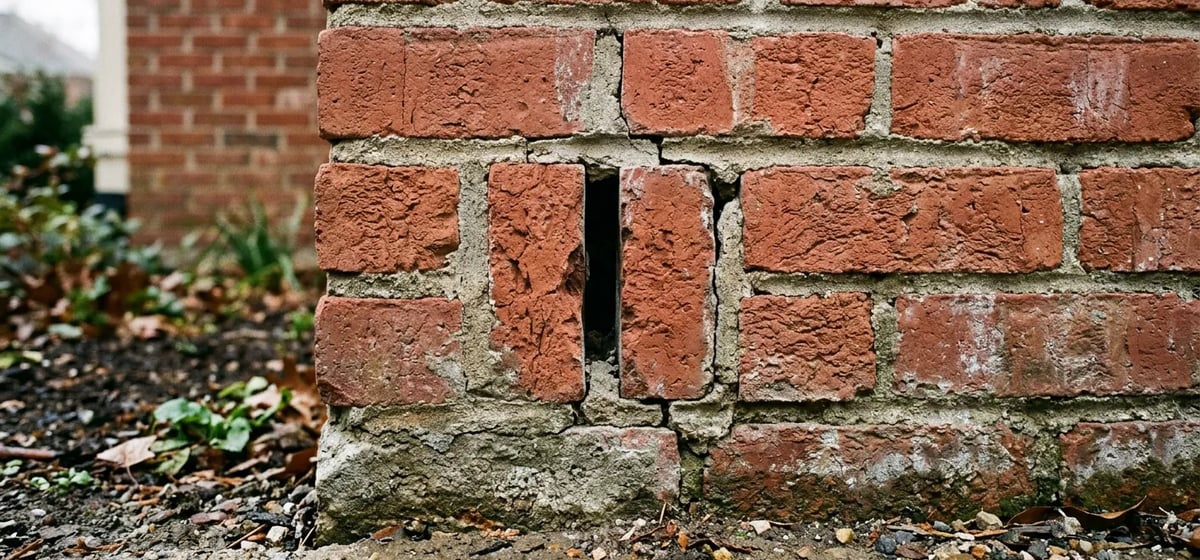
A weep hole is a small gap left at the bottom of a brick wall or a window frame. It allows trapped water to escape so it doesn't rot the wood framing behind the brick. It also lets air flow behind the wall to dry out any hidden moisture. The term comes from the idea that the building is weeping or crying out the trapped water. Masons have used this technique for centuries to protect stone and brick walls. Even though they look like missing mortar or small mistakes, these gaps are a vital part of your home design.
Why weep holes matter to your home
Brick acts a lot like a hard sponge. When it rains, water naturally soaks right through the brick and the mortar. This water eventually hits a waterproof barrier wrapped around the wood framing of your house. Gravity pulls the water down to the bottom of the wall. If the water has nowhere to go, it pools up inside the wall cavity. Pooled water rots the wood framing, ruins your insulation, and invites dangerous mold into your home. Weep holes give this water a clear, easy exit path. They also act as tiny air vents. The air circulation helps dry the dark space between the brick and the inner wall. You can learn more about protecting your home from the elements in our guide to Exterior: Siding, Garage & Decks.
Where you will find them
You'll spot weep holes in a few common places around the outside of your house.
- Brick veneer walls: Look at the bottom row of bricks just above your concrete foundation. You'll see vertical gaps between the bricks every 16 to 24 inches.
- Above windows and doors: Brick walls usually have steel supports over openings to hold the heavy weight. Weep holes sit right above these steel supports to drain water away from the frames.
- Vinyl windows: Open your window and look at the bottom track. You'll see small rectangular slots on the outside edge. These drain rainwater that blows into the track. Check our Windows & Doors guide for more details.
- Retaining walls: Concrete or stone walls in your yard often have plastic pipes near the bottom to let heavy groundwater out.
What to watch out for
Weep holes only work if they are completely clear. Over time, dirt, dead leaves, and bugs can clog them up. When they get clogged, water backs up into your home. Mice and insects also like to use these open gaps to get inside your warm walls. You can buy special weep hole covers or inserts to fix this problem. These inserts have tiny holes or wire mesh. They let the water out but keep bugs and mice away. Read up on Pest Control if you notice critters using these gaps to enter your house.
Maintenance and repair costs
Keeping your weep holes clear is usually a free do it yourself job. You can clean window weep holes with a stiff piece of wire or an old toothbrush. For brick walls, a small blast of compressed air works well to clear out dust and spider webs. If your home is missing weep holes entirely, you might need to hire a professional mason to drill them. Drilling retrofit weep holes usually costs $150 to 300 for a typical exterior wall. If trapped water has already caused severe rot, you might need a carpenter to replace the wood framing. Wood rot repair costs run from $500 to 2,500 depending on how far the damage spread. Keep in mind that these prices are estimates and ranges vary based on your location and the size of your house.