What Is a Wire Splice
A wire splice is a physical connection where you join two or more electrical wires together. The word splice comes from the Middle Dutch word splissen. Sailors used this word when they wove ropes together. Electricians borrowed the term for joining copper wires.
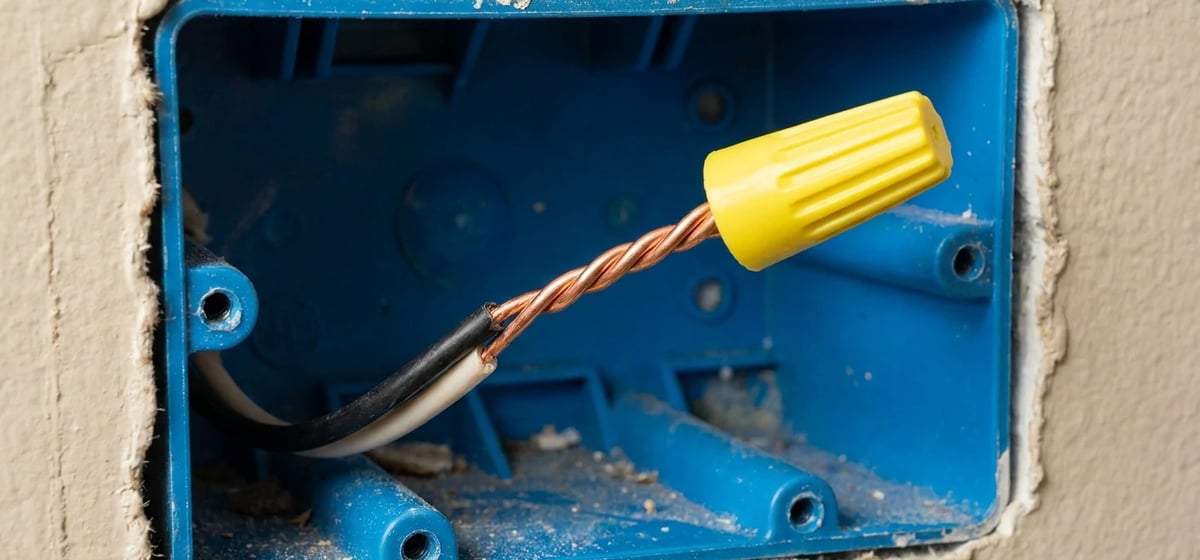
To make a splice, an electrician strips the plastic coating off the ends of the wires. They twist the bare metal ends together. Then they cover the twisted ends with a plastic cap. This cap is often called a wire nut. The cap comes in different colors like yellow, red, or orange. These colors tell the electrician what size wires the cap can hold. The cap has metal threads inside that bite into the copper wires and hold them tight. The cap keeps the electrical current flowing safely from one wire to the next.
Why a Proper Splice Matters
Electricity produces heat as it moves through wires. A tight splice keeps that heat low. A loose splice creates a lot of heat. The electricity has to work harder to jump across the gap. This can cause sparks. Those sparks can easily start a fire inside your walls.
Because of this risk, the building code requires all splices to be contained inside a plastic or metal box. This is called a junction box. If a spark does happen, the box keeps the fire from spreading to your wood studs or drywall. You can learn more about how your home wiring works in our Electrical guide.
Where You Run Into Splices
You'll find wire splices almost everywhere in your house. Every light switch, electrical outlet, and ceiling fan has splices behind it. You'll also see them in your attic or basement where long runs of wire meet.
Sometimes a previous owner will cut a wire to add a new light fixture. They'll splice the new wire into the old wire. If you want to change a light fixture yourself, you'll have to undo the old splices and make new ones. This is a common project, but you must know what you're doing. Read our DIY vs. Hiring a Pro guide before you start messing with your home wiring.
Warning Signs of a Bad Splice
You should always look out for bad wiring jobs. A poor splice is a major safety hazard. Here are a few common signs of a bad splice:
- Wires wrapped in tape instead of a plastic cap.
- Exposed bare copper sticking out from the bottom of the wire nut.
- Splices floating in the open without a junction box.
Sometimes people use electrical tape instead of a proper wire nut. Tape gets old, dries out, and falls off. This leaves live wires totally exposed. Another common danger is a flying splice. This happens when wires are joined together in the open air instead of inside a junction box. You might spot a flying splice resting on top of your attic insulation. If a home inspector finds these issues, they'll flag them immediately. Bad wiring can even cause problems with your Home Insurance if it leads to a claim.
What It Costs to Fix
If you find bad splices, you should hire a licensed electrician to fix them. They'll undo the dangerous connection. Then they'll install a proper junction box and secure the wires with new wire nuts. Electricians usually charge a minimum service fee just to come to your house.
You can expect to pay 150 to 300 dollars to fix a few bad splices. Prices depend on where you live and how hard it is to reach the wires. Keep in mind that ranges vary based on your local market and the size of the repair.
If your home is older, you might find many illegal splices hidden behind walls. An electrician might need to cut holes in your drywall to find and fix them. This will add to your total cost. You'll have to pay a handyman or a drywall expert to patch the holes later. A small drywall repair usually costs 100 to 250 dollars. It's always worth the money to make sure your home is safe from electrical fires.