What is xeriscaping?
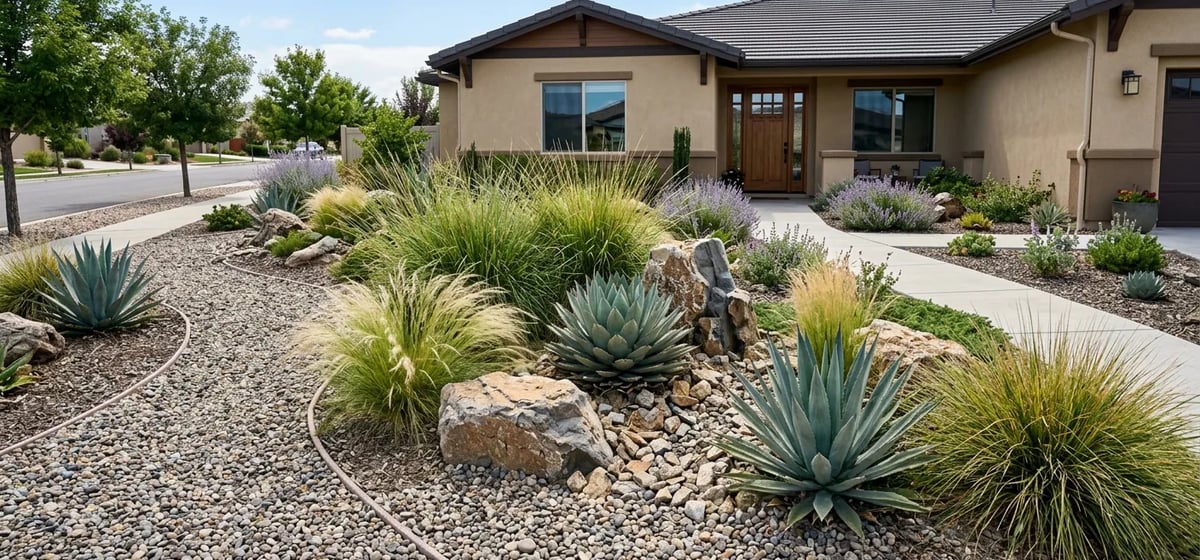
Xeriscaping is a way to design your yard so it needs almost no extra water. You replace thirsty grass with rocks, gravel, mulch, and plants that naturally thrive in dry weather. Xeriscaping isn't just throwing rocks on dirt. It's a full system. A proper xeriscape setup includes a few key pieces:
- Soil improvements to help the dirt hold moisture.
- Plant groupings based on how much sun and water they need.
- Thick layers of organic mulch or crushed stone over bare dirt.
This keeps the sun from baking the soil and stops weeds from taking over. The Denver Water Department invented the word in 1981. They mixed the Greek word "xeros", which means dry, with the word landscaping. Today, homeowners all over the country use this method to create beautiful yards that survive tough droughts. You'll often see native plants like agave, lavender, and ornamental grasses in these designs.
Why it matters to your wallet and weekend
A traditional green lawn takes a lot of work and a lot of water. If you live in a dry climate, keeping grass alive can cost you hundreds of dollars every summer. Xeriscaping cuts your outdoor water use by 50 to 75 percent. This saves you money on your monthly utility bills. It also gives you your weekends back. You don't have to mow, fertilize, or aerate a xeriscaped yard. Once the new plants grow deep roots, they survive on normal rainfall. You just need to pull a few weeds and trim the plants once or twice a year. You also save money on lawn care equipment. You no longer need to buy gas for a mower or pay for expensive sprinkler repairs. Many people also notice more birds and butterflies visiting their yard. Native plants attract local wildlife better than plain grass does.
How much does it cost?
Converting a regular lawn to a xeriscape is a big project. You have to kill the old grass, bring in heavy rocks, lay down weed barriers, and plant new shrubs. Homeowners typically pay 3,000 to 10,000 dollars for a professional xeriscape installation. Costs vary based on your yard size and the materials you pick. A truckload of basic gravel costs much less than large decorative boulders.
| Material or Task | Estimated Cost |
|---|---|
| Grass removal | 1 to 3 dollars per square foot |
| Gravel or river rock | 50 to 150 dollars per ton |
| Dry weather plants | 15 to 50 dollars each |
| Professional design | 300 to 800 dollars |
Keep in mind that these ranges vary widely by region. You might spend more if you live in an expensive city. Many cities and water companies offer cash rebates to help you pay for the switch. You can check with your local utility provider to see if they'll pay you a few dollars for every square foot of grass you remove. If you want to tackle this yourself, read up on DIY vs. Hiring a Pro to see if you have the time and heavy tools required.
What to watch out for
Before you rip up your grass, you need to check the rules. Many neighborhoods have strict rules about how your front yard must look. You should always read the guidelines from your Neighbors & HOAs before you start digging. Some states legally protect your right to xeriscape, but your HOA might still control the types of plants you can use. You also need to think about water runoff. When you remove grass and pack down soil for gravel, rain moves across your yard differently. Poor planning can send water straight into your house. You can learn more about keeping water away from your foundation in our Landscaping, Drainage & Outdoor guide. Make sure your design includes slight slopes to guide rain away from your walls. If you use weed fabric under your rocks, dirt will eventually blow in and settle on top of it. Weeds will grow in that shallow dirt over time. You must stay on top of this light maintenance so the yard doesn't look messy. Finally, remember that rocks hold heat. If you put too much gravel right next to your house, it can make your home hotter in the summer.