What It Is
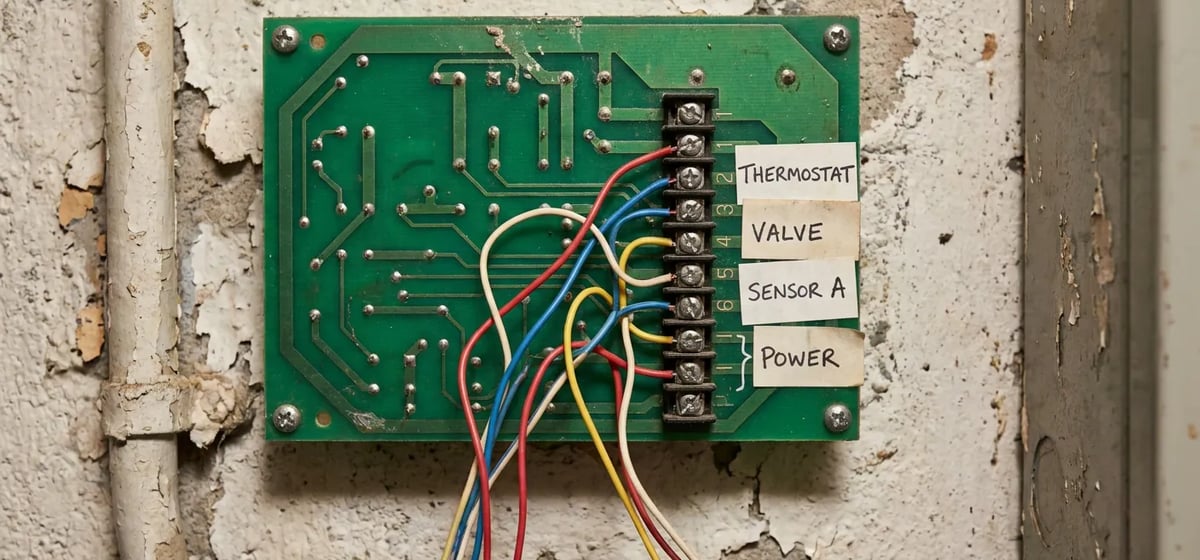
A zone board is the brain of your home climate system. It is a small electronic control panel that manages the airflow in your house. The word zone comes from the Greek word zone, meaning a belt or girdle. Tradespeople started calling these panels zone boards when multiple room heating controls became popular in the 1960s. Today, this board talks to the thermostats in different rooms and tells your system where to send hot or cold air.
When you set your bedroom thermostat to a cool temperature at night, the zone board receives that signal. It then opens a motorized door, called a damper, inside your ductwork. At the same time, it can close off air to the living room so you do not waste energy. This setup allows your central air conditioner or furnace to treat different areas of your home like separate spaces. You can learn more about how these parts work together in our HVAC & Climate Control guide.
Why It Matters To You
Most homes have one thermostat that controls the whole house. This often leaves upstairs bedrooms too hot in the summer and basements freezing in the winter. A zone board solves this problem. It gives you total control over your comfort. You can keep the rooms you actually use at the perfect temperature without paying to heat or cool empty spaces.
This targeted heating and cooling saves you money on your monthly utility bills. It also puts less wear and tear on your equipment. If your family members constantly argue about the thermostat setting, a zone board can bring peace to your household. Everyone gets to set their own room to the temperature they like best.
Where You Find It
You will almost always find the zone board mounted right next to your indoor furnace or air handler. Look in your attic, basement, or utility closet. It is usually a rectangular plastic box with a lot of thin, colored wires going into it. These wires connect the board to your main equipment, your thermostats, and the dampers hidden inside your ducts.
The board usually has a series of small indicator lights. These lights turn green, red, or yellow to show you which zones are currently asking for air. If your system stops working right, a technician will often check these lights first.
What Things Cost
Adding a zone board to an existing system is a major project. You need the board itself, new thermostats, motorized dampers, and extra wiring. Sometimes your ductwork needs to be changed to handle the new air pressure.
A replacement zone board on its own usually costs 150 to 400 dollars for the part. However, if you are installing a brand new zoning system in your home, expect to pay a professional between 2,000 and 3,500 dollars. Costs vary widely depending on how many zones you want and how easy it is to reach your ducts. Before you hire someone, check our Hiring Contractors & What Things Cost guide to ensure you get a fair deal.
What To Watch For
Zone boards are reliable, but they do fail. Power surges, bad wiring, or just old age can cause the electronic board to short out. When this happens, your system might blow air everywhere at once, or it might stop blowing air completely. Watch out for these common signs of trouble:
- Rooms that stay hot when the air conditioning is running.
- A blinking error light on the plastic board cover.
- Clicking noises coming from the board that never stop.
Sometimes the motor on a damper fails, but you might think the zone board is broken. If you reset your breaker and the problem stays, it is time to call a pro. Fixing these electronics is rarely a good project for a beginner. You can read more about deciding when to call an expert in our DIY vs. Hiring a Pro section.