What Is a Zone Valve?
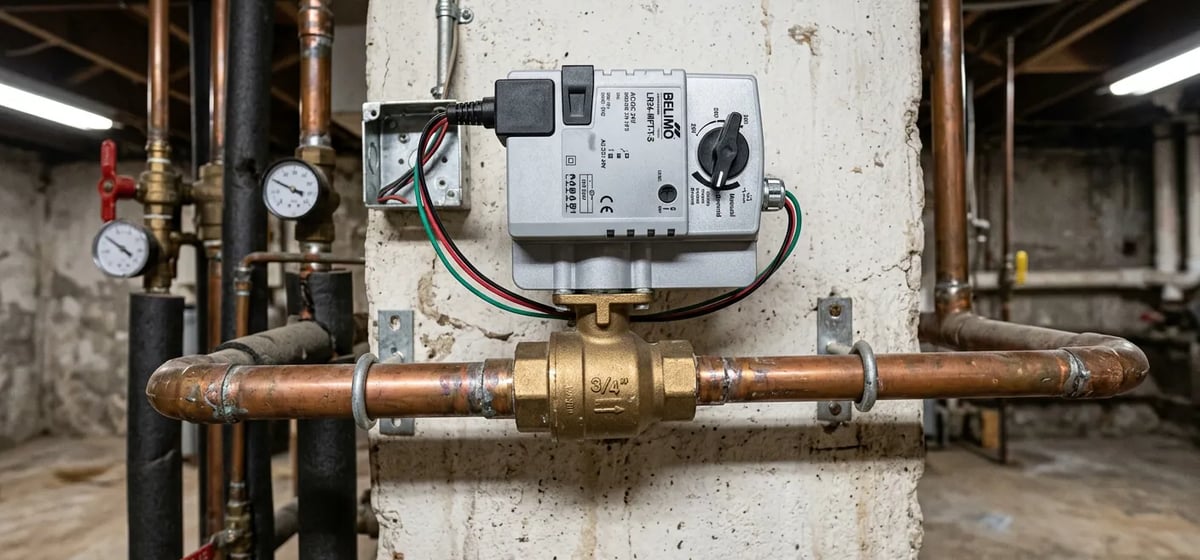
A zone valve is a motorized plumbing valve used in hot water heating systems. Its job is simple. It controls the flow of hot water from your boiler to different parts of your house. The name comes from its main function. It separates your home into different heating zones. These valves became popular in the middle of the 20th century as home heating systems got more advanced. When a thermostat calls for heat, it sends an electrical signal to the valve. A small motor inside the valve opens the pipe. Hot water then flows through to the radiators or baseboards in that specific room. When the room reaches the right temperature, the valve closes. This stops the hot water and saves energy.
Why It Matters to You
Zone valves give you precise control over your home comfort. Without them, your boiler would heat the entire house every time any thermostat turned on. That wastes a lot of money. With zone valves, you can keep your living room warm and cozy while leaving empty guest bedrooms cooler. This targeted heating lowers your utility bills. It also reduces wear and tear on your boiler. If you're learning about your HVAC & Climate Control systems, understanding your heating zones is a great place to start. You can set different schedules for different floors of your home based on how you actually live.
Where You'll Find Them
You'll usually find zone valves near your boiler. They're often installed in a neat row on the main hot water supply pipe. Sometimes they're located on the return pipes instead. They look like brass plumbing fittings with a small metal or plastic box attached to the top. That box holds the electric motor and the wiring. You might also find them hidden behind access panels in finished basements or utility closets. Because they deal with water, they're technically part of your Plumbing system as well as your heating setup.
What to Watch For
Like any mechanical part, zone valves eventually wear out. The small motors inside them work hard all winter. Here are a few signs that a zone valve might be failing:
- A room stays cold even when the thermostat is turned way up.
- A room gets way too hot and the heat never shuts off.
- You see water dripping from the valve body or the metal box.
- You hear a loud buzzing or clicking noise coming from the valve near the boiler.
Expected Costs to Repair or Replace
If a zone valve fails, you usually have two options. You can replace just the motorized head, or you can replace the entire valve. Replacing just the head is easier because the plumber doesn't need to drain the water from the pipes. If the brass valve body is leaking, the whole unit must go. Prices vary based on your location and the brand of your boiler system.
- A new motorized valve head costs 100 to 200 dollars for the part alone.
- A complete zone valve costs 150 to 300 dollars for the part.
- Hiring a professional to replace the head will cost 200 to 400 dollars total.
- Having a professional drain the system and solder in a brand new complete valve will cost 400 to 800 dollars.
If you need to hire someone, check out our guide on Hiring Contractors & What Things Cost to help you get fair quotes.