What Is Aluminum Wiring?
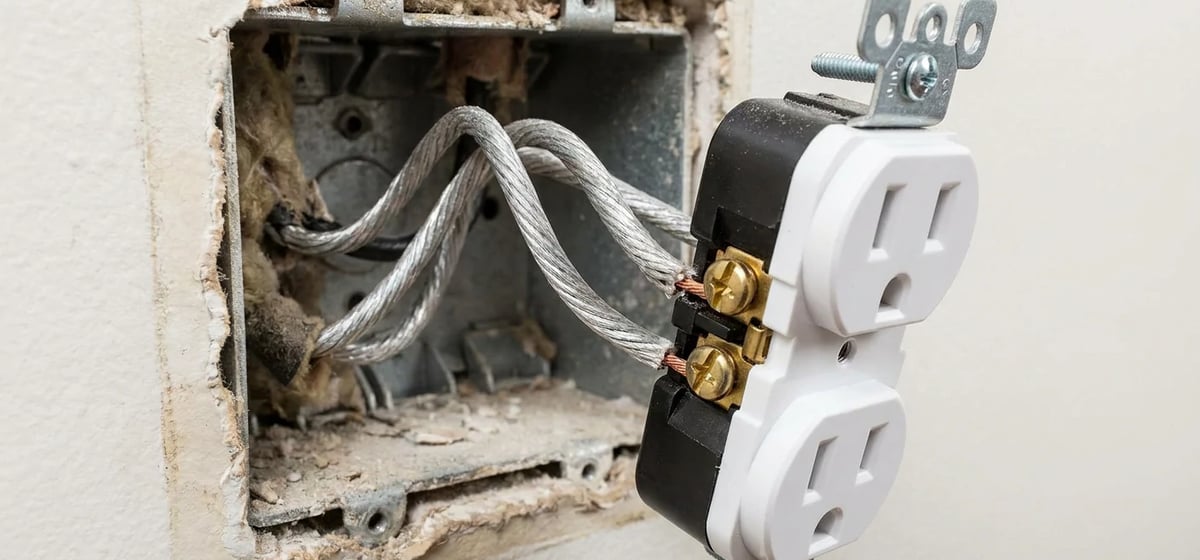
Aluminum wiring is a type of electrical wire used in many homes built or updated between 1965 and 1973. Builders switched to this metal during a major copper shortage in the 1960s. Aluminum comes from the Latin word alumen, which refers to a bitter salt. While it was cheaper and easier to get than copper, builders soon realized it had a major flaw. Aluminum expands and contracts much more than copper when electrical current flows through it. Over time, this constant movement causes the wires to wiggle loose from switches, outlets, and light fixtures. The metal also oxidizes quickly when exposed to air. This oxidation creates a powdery white rust that blocks the flow of electricity and makes the loose connection even worse.
Why It Matters To You
Loose electrical connections are a serious fire hazard. When a connection gets loose, electricity can jump across the gap. This creates extreme heat that can melt the plastic wire coating and start a fire inside your walls. Because of this risk, aluminum wiring is one of the biggest red flags on a home inspection report.
If your home has this older wiring, you might also run into trouble with your Home Insurance. Many insurance companies will refuse to cover a house with unmitigated aluminum wiring. Others will charge you a much higher premium until you hire a licensed electrician to make the system safe. Watch out for these red flags:
- Lights that dim or flicker when you turn on a vacuum.
- Switch plates that feel warm to the touch.
- A faint buzzing sound coming from an outlet.
- A burning plastic smell near your walls.
Warning: Stop using any outlet or switch right away if you notice these signs. Turn off the breaker for that room and call an electrician.
How To Tell If You Have It
You can usually spot aluminum wiring by looking at the electrical cables in unfinished areas of your home. Check your attic, basement, or garage. Look for the thick plastic cables running along the wood framing. Don't touch the wires. Just read the printed letters on the outside plastic jacket. If you see the words ALUM, AL, or ALUMINUM stamped on the cable, you have this type of wiring.
You can also look inside your main breaker panel, but you should never open the inner metal cover yourself. Let a pro handle that part of your Electrical system. An electrician can safely open the panel to see if thick silver colored wires connect to your breakers. Modern homes still use safe, heavy duty aluminum for the main service drop from the street. The fire risk only applies to the smaller branch wires running to your indoor outlets.
Fixing The Problem And Costs
You don't always have to rip open your walls and replace every wire in the house. Electricians have safe, approved ways to fix the connection points. The two most common fixes are AlumiConn connectors and COPALUM crimping. Both methods attach a small copper wire to the end of the old aluminum wire. This copper piece then connects to your outlet, stopping the dangerous movement at the connection point.
Whole house rewiring is the safest option but also the most expensive. A full rewiring project can take a week or more and usually involves cutting holes in your drywall. The connector methods only take a few days and leave your walls intact. Here are the typical ballpark costs for these repairs. Keep in mind that prices vary based on your location and the size of your home.
| Repair Method | Estimated Cost | What It Involves |
|---|---|---|
| AlumiConn Connectors | $100 to $200 per outlet | Adding special screw blocks to every switch and outlet. |
| COPALUM Crimping | $150 to $300 per outlet | Using a special tool to permanently crimp copper tips onto the old wires. |
| Complete Rewiring | $10,000 to $20,000 total | Removing all old wire and installing new copper wire behind the drywall. |
Always hire a licensed electrician who has specific training for this job. You can learn more about finding the right pro in our guide to Hiring Contractors & What Things Cost. Don't try to fix these connections yourself. Standard wire nuts from the hardware store are not safe for this metal and will actually increase your risk of a fire.