What is an angle stop?
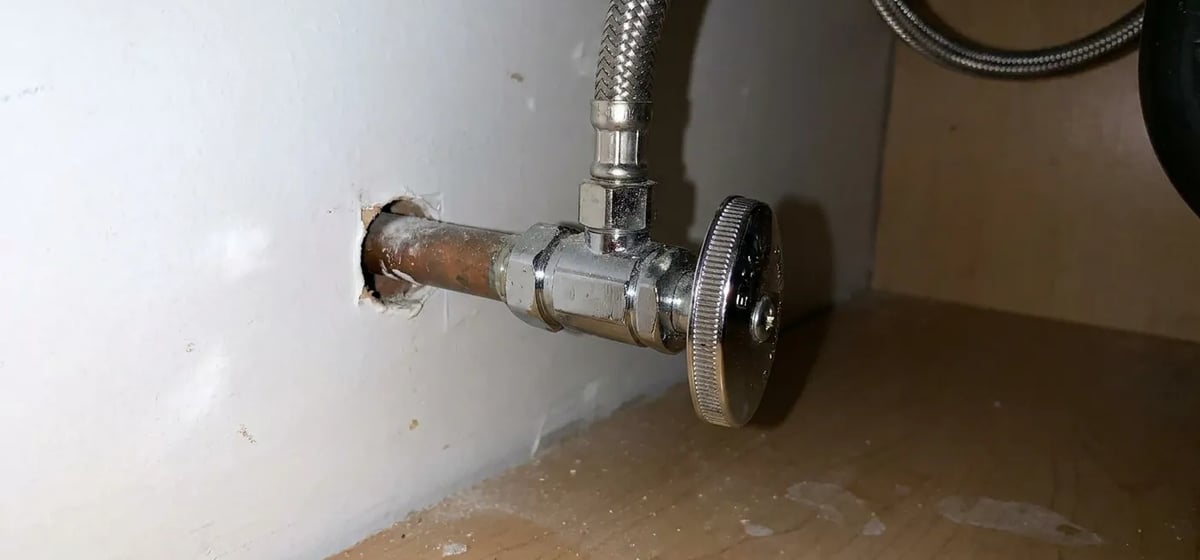
An angle stop is a small plumbing valve that controls water flow to a single fixture in your house. Plumbers call it an angle stop because it changes the direction of the water by 90 degrees. The water pipe comes out of your wall, hits the valve, and turns straight up to reach your sink or toilet. You will usually see a small oval handle or a lever attached to it. Turning this handle shuts off the water right at that specific spot. This means you don't have to turn off the main water supply for the whole house just to fix one leaky faucet. There are two main types you'll see. Multi turn valves have an oval handle that you must spin several times to stop the water. Quarter turn valves have a straight lever that only needs a simple 90 degree flick to shut the water off. Quarter turn valves are much more reliable and easier to use.
Why it matters to you
Knowing how to use an angle stop can save your home from major water damage. If a toilet overflows or a sink pipe bursts, you only have seconds to act. You can reach under the sink or behind the toilet and twist the valve clockwise to stop the water instantly. Locating and testing these valves is a great task for Your First Week as a Homeowner. If you wait until water is gushing onto your baseboards, it's too late to figure out how they work. These small valves give you complete control over your plumbing. If you want to upgrade your bathroom faucet, you can just turn off the angle stops under that sink. The rest of your family can still take showers and wash dishes while you work.
Where you will find them
You'll find angle stops in almost every room that has running water. Common locations include:
- Under the kitchen sink for the hot and cold water lines.
- Inside bathroom vanity cabinets below the sinks.
- Near the floor on the left side of your toilet.
- Behind your washing machine or refrigerator ice maker.
Sometimes older homes have pipes that come straight up through the floor instead of coming out of the wall. In that specific case, the valve doesn't change the water direction at all. Plumbers call those straight stops. Even though the shape is a little different, straight stops do the exact same job as an angle stop.
What to watch for and repair costs
Angle stops often sit unused for many years. Over time, the rubber washers inside them dry out and get brittle. The metal parts can also corrode from hard water buildup. When you finally go to turn an old valve, it might feel completely stuck. If you force it, the valve could snap and cause a massive leak. Another common issue is a slow drip coming from the valve stem right after you turn it.
It's a smart idea to test your valves once a year. Just turn them off and back on again to keep the internal parts moving freely. If you need to replace a broken angle stop, the part itself is very cheap. A new valve usually costs 10 to 20 dollars at the local hardware store. If you hire a professional to do the plumbing work, expect to pay 150 to 300 dollars for the labor and materials. Keep in mind that costs vary based on where you live and how hard the valve is to reach. Handling a bad valve quickly prevents bigger home emergencies down the road.