What is a batten?
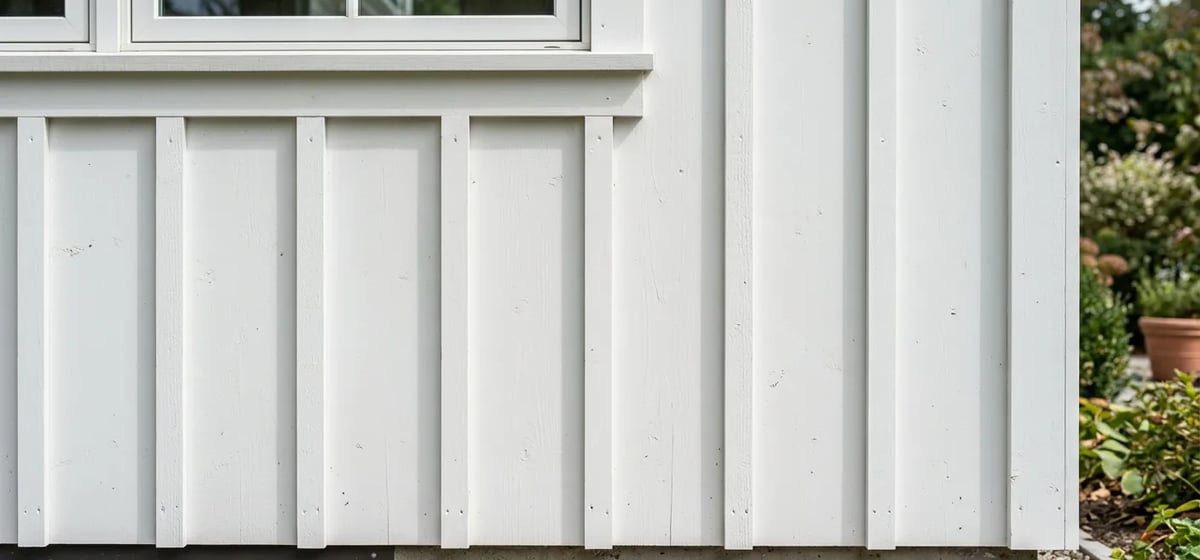
A batten is a thin strip of wood, plastic, or metal. Builders use it to cover the seams between wide boards. You will most often see them on the outside of a house. This creates a popular look called board and batten siding. The wide boards go up first. Then, the narrow battens go over the vertical cracks between those boards.
The word comes from the Old French word bata. This meant to strike or beat. It originally referred to the wooden pieces used to beat down threads on a weaving loom. Eventually, carpenters adopted the term for these thin, flat strips of wood used in building.
Where you find them around your house
You'll run into battens in a few different places on your property. They are versatile and serve both practical and decorative purposes.
- Exterior siding: This is the most common spot. Board and batten siding gives a house a rustic or modern farmhouse look. The battens seal the gaps so water and bugs can't get inside. You can read more about caring for this in our guide to Exterior: Siding, Garage & Decks.
- Interior accent walls: Many people use battens inside the house to create decorative wood paneling. You might see them in dining rooms, hallways, or living rooms to add texture to a plain drywall room.
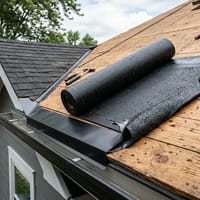
- Roofing: Underneath some metal or tile roofs, builders use roofing battens. These are horizontal wooden strips attached to the roof deck. They give the heavy tiles or metal panels a solid place to anchor.
- Fences and doors: You might also see batten strips on privacy fences or heavy wooden barn doors. They reinforce the structure and cover gaps between the fence pickets.
Why battens matter to you
Battens do much more than look nice. They actually protect your home from the elements. Wood naturally expands and shrinks as the temperature and humidity change. Because of this movement, builders have to leave a small gap between wide siding boards. If they nailed the wide boards tightly together, the wood would buckle, warp, and crack over time.
The batten covers that necessary expansion gap. It acts like a protective shield. It stops rain, snow, and harsh wind from getting behind your exterior walls. It also keeps out insects and other unwanted pests. Without battens, your home would be completely open to water damage, mold, and structural rot.
What to watch for and what it costs
Over time, exterior battens take a serious beating from the sun and rain. The caulk around the edges can dry out, shrink, and crack. Wood battens can also rot if water gets trapped behind them. You should walk around your house and check your siding at least once a year. Look closely for loose strips, peeling paint, or soft spots in the wood.
If you need to fix or replace them, you'll have to pay for materials and labor. Keep in mind that prices vary widely based on where you live and the materials you choose. Replacing a few rotted wood battens usually costs 3 to 8 dollars per linear foot. If you are putting brand new board and batten siding on your entire house, expect to pay 4 to 12 dollars per square foot. Fiber cement or vinyl battens cost less to maintain than real wood because they don't rot.
If you notice severe rot or water damage spreading to the wider boards, you might need to hire a professional contractor. You can learn more about when to tackle repairs yourself and when to get help in our DIY vs. Hiring a Pro guide.