What Is A Branch Circuit?
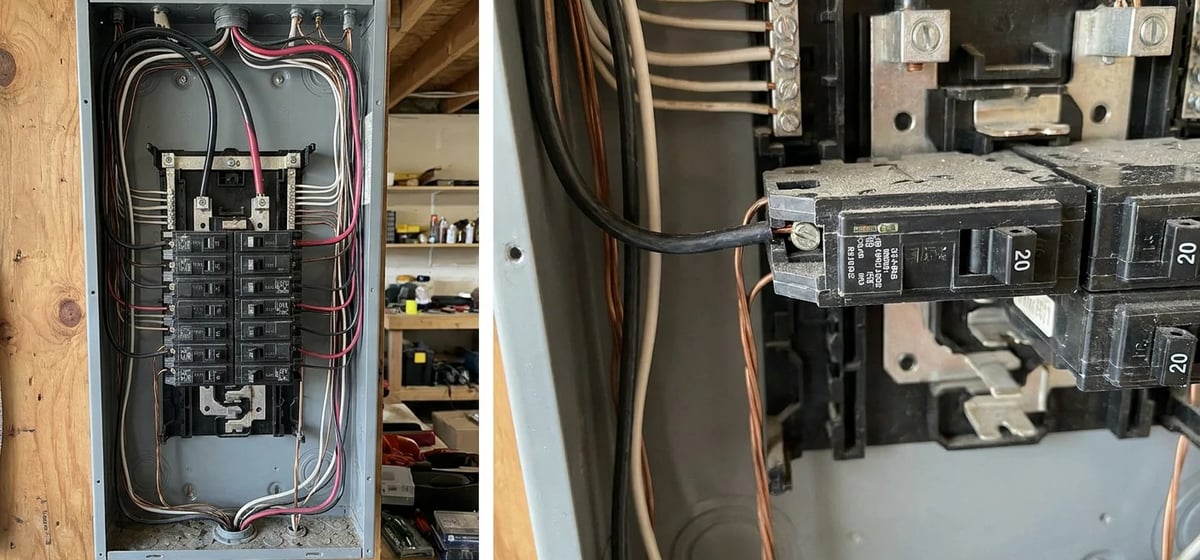
Think of your home electrical system like a giant oak tree. The main power line coming from the street is the thick trunk. Your main electrical panel is the spot where that trunk splits. A branch circuit is the electrical path that runs from your main breaker panel to the outlets, lights, and appliances in a specific area of your house. Electricians actually borrowed the word branch from tree anatomy to describe how these smaller wires split off from the main power trunk.
The term circuit comes from the Latin word circuitus which means a going around. This makes perfect sense because electricity must travel in a complete, unbroken loop. It flows from the breaker panel, out to your plugged in device, and then goes around back to the panel. If that loop breaks, the power stops working.
Why It Matters To Your Daily Life
You interact with branch circuits every single time you plug in a vacuum or flip a light switch. Each circuit has a strict limit on how much power it can safely carry. This limit is usually 15 amps or 20 amps for standard rooms. When you try to pull too much power at once, the wires get hot. To prevent a wall fire, a safety switch inside your panel trips. When a single circuit breaker trips, it shuts off power to that exact branch circuit.
If you plug a space heater and a hair dryer into the same bathroom circuit, the breaker will trip almost instantly. Knowing how your home divides its power helps you avoid these annoying blackouts. You can learn more about managing your home power needs safely in our Electrical guide.
Common Types Of Branch Circuits
Your home uses a few different types of circuits to handle different jobs. Modern building codes require specific setups to keep your family safe.
- General lighting circuits: These supply power to standard overhead lights and wall outlets in living rooms, bedrooms, and hallways. They usually handle low power items like lamps, televisions, and phone chargers.
- Small appliance circuits: These provide extra power specifically for kitchen counters and dining areas. They are built with thicker wire to handle heavy draw items like toasters, blenders, and coffee makers.
- Dedicated circuits: These serve just one single heavy duty appliance. Your refrigerator, microwave, electric range, and clothes dryer each get their own dedicated branch circuit. This ensures a major appliance never trips the power for the rest of the room.
Panel Mapping Tip: Map your breaker panel today. Turn on every light in your house. Flip one breaker off and see exactly what goes dark. Write that specific room on the panel label. This saves you a huge headache during a future power issue.
Signs Of Trouble And What Repairs Cost
Sometimes a branch circuit gets old or damaged. You might notice your living room lights flickering when the air conditioner turns on. You might also find wall outlets that feel warm to the touch or look slightly scorched. These are serious warning signs that a circuit is overloaded or has loose wiring behind the drywall.
If a breaker trips constantly, you need to call a professional. Adding a new branch circuit is a very common upgrade when you buy an older house or decide to remodel a kitchen. You can read more about planning these types of major upgrades in Your First Year as a Homeowner.
Electricians charge based on how hard it is to run the new wire through your finished walls. Costs for this work will always vary based on your location, the age of your house, and the total job size.
| Project Type | Estimated Cost |
|---|---|
| Add a standard 15 amp room circuit | $250 to $500 |
| Add a dedicated 220 volt appliance circuit | $300 to $800 |
| Replace a bad or sparking circuit breaker | $150 to $250 |
Where You Will See This Term
You will run into this phrase often when dealing with home maintenance. You will see this term listed on your electrical inspection report when you buy a house. An inspector might note that your kitchen lacks enough branch circuits to meet modern safety codes. You will also see it on repair quotes. If you hire a contractor to finish your basement, their estimate will include a line item for pulling new branch circuits to power the new rooms. Always hire a licensed electrician to work on your branch circuits. Doing it yourself can easily lead to severe shocks or hidden house fires.