What Is a Branch Drain?
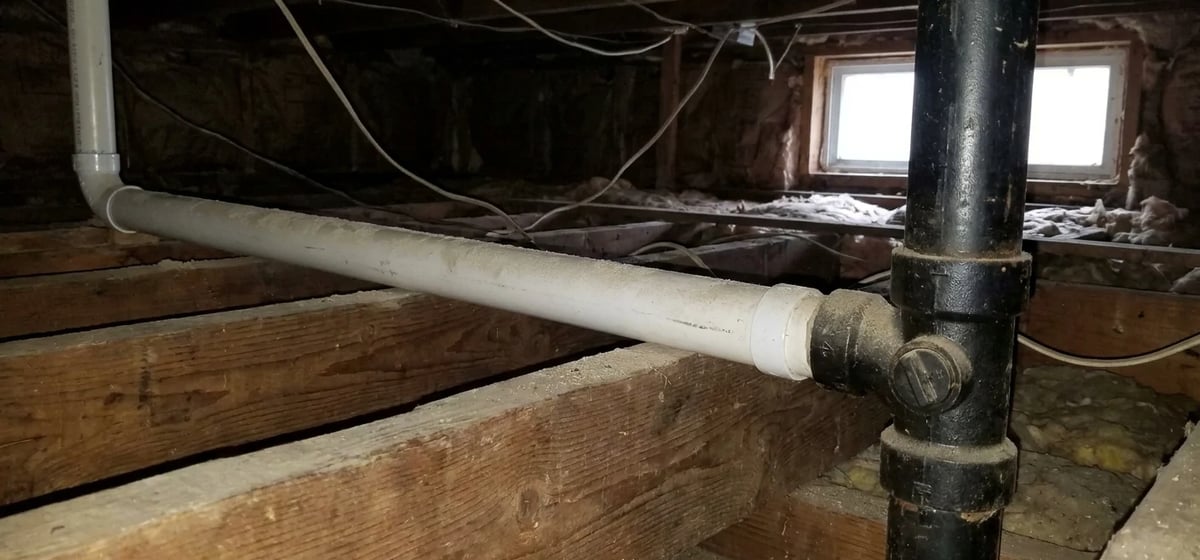
A branch drain is a smaller plumbing pipe that connects a single fixture to your main sewer line. It carries wastewater away from your sink, shower, or toilet. Think of your plumbing system like a large tree. The main sewer line is the thick trunk. The smaller pipes reaching out to each room are the branches. You'll usually find these hidden inside your walls, beneath your floors, or above your ceiling.
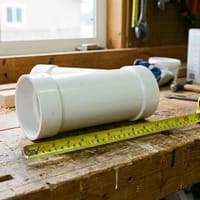
Most modern branch drains are made of white PVC or black ABS plastic. If you live in an older house, you might have cast iron or copper pipes instead. The size of the pipe depends entirely on the fixture it serves. A bathroom sink usually needs a pipe that is 1.25 to 1.5 inches wide. A shower needs a 2 inch pipe to handle the fast flow of water. A toilet requires a 3 inch or 4 inch pipe to move solid waste safely. These pipes run at a slight downward slope. Gravity does all the work to pull the wastewater down into the main sewer pipe.
Why Branch Drains Matter to You
These pipes handle a lot of daily stress. Whenever you brush your teeth, wash dishes, or take a shower, a branch drain takes the dirty water away safely. Understanding how they work helps you troubleshoot problems in your Plumbing system. If a single branch drain clogs, only that specific sink or tub will back up. The rest of your house will drain perfectly fine. This is completely different from a main sewer line clog, which causes water to back up into the lowest drains in your entire house.
Knowing this difference saves you money and panic. If just your kitchen sink is clogged, you know the issue is trapped right there in that specific branch drain. You can focus your repair efforts on that one spot instead of paying a plumber to inspect your entire underground sewer line.
Common Signs of Trouble
Branch drains don't usually fail overnight. They slowly clog over months or years. Hair, soap scum, food bits, and grease stick to the inside walls of the pipe. Eventually, this sticky mess blocks the water from flowing. You might notice a few warning signs before a total blockage ruins your day.
- Water drains very slowly from a sink, tub, or shower pan.
- You hear strange gurgling sounds from the drain when the water finally goes down.
- Bad smells come up from the drain opening. You can learn more about strange house scents in our guide to Smells & Odors.
- Water bubbles up into the kitchen sink when you run your dishwasher.
- You spot wet patches or water stains on the ceiling directly below an upstairs bathroom.
Repair Costs and What to Expect
Clearing a clogged branch drain is a very common home repair. If you need to hire a professional plumber to clear a stubborn clog, expect to pay between 150 to 300 dollars. The plumber will usually push a motorized metal cable down the pipe to break up the blockage.
If the pipe is actually broken and leaking inside a wall, the repair cost goes up. Plumbers typically charge between 300 to 800 dollars to cut open the drywall, replace the bad pipe section, and test the system for leaks. Keep in mind that these cost ranges vary based on where you live and how hard the pipe is to reach. You'll also need to pay a drywall contractor to patch the hole after the plumber leaves.
If a broken drain floods your floor, you might face a much bigger cleanup job. Check our guide to Home Emergencies if you ever deal with severe water damage or a major plumbing failure.