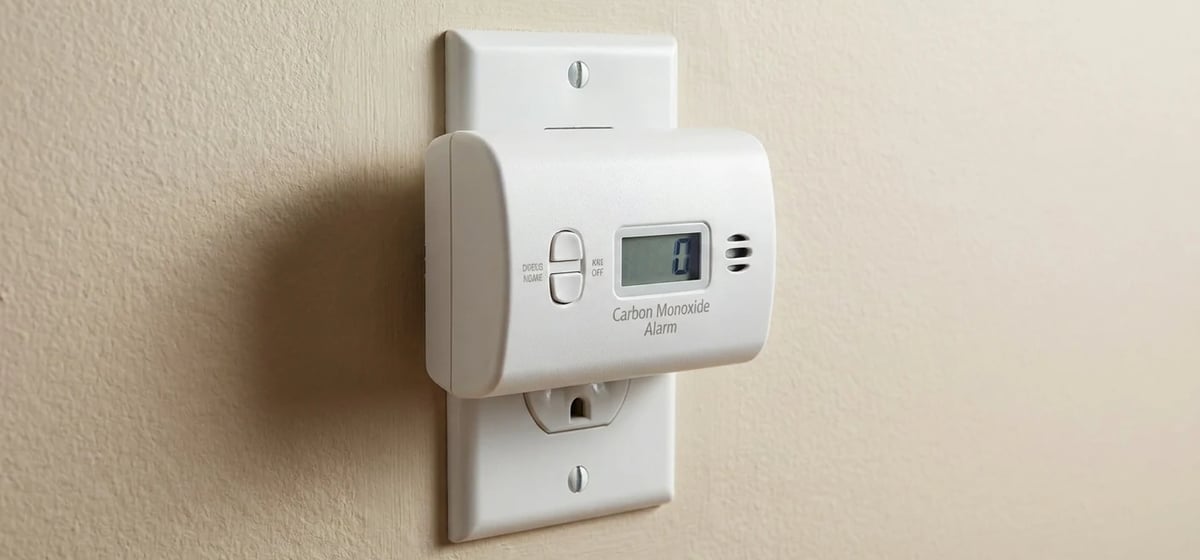
What Is a Carbon Monoxide Alarm?
A carbon monoxide alarm is a small safety device that saves lives. It constantly checks the air inside your house for carbon monoxide. This is a very dangerous gas that you can't see, smell, or taste. When the gas builds up to an unsafe level in the air, the device sounds a very loud siren. This warning gives you and your family enough time to get outside safely. The word carbon comes from the Latin word carbo for coal. Monoxide means a molecule with exactly one oxygen atom. The first electronic home alarms for this gas hit the market in the early 1990s as safety rules became much stricter. Today, building codes require them in almost every state.
Why It Matters to You
Carbon monoxide is often called the silent killer because it's invisible and completely odorless. The gas is produced whenever fuel burns. If you have gas appliances in your home, you're at risk if something breaks down. Common sources include gas furnaces, gas water heaters, stoves, and wood fireplaces. Cars left running in an attached garage can also quickly fill a house with this deadly gas. Portable generators used too close to doors or windows are another major danger after a power outage.
Because you can't rely on your own senses to detect it, you need a working alarm to alert you to these environmental hazards in your indoor air. For example, if a vent pipe gets blocked by a bird nest or a heat exchanger cracks in your HVAC & climate control system, the exhaust gas can spill directly into your living space. Without an alarm, you would never know it was there.
Where You Need to Install Them
You should install at least one carbon monoxide alarm on every single level of your home. This includes the basement and any finished attic spaces. You also need them in the hallway outside every sleeping area. If your bedroom doors are closed at night, you want an alarm close enough to wake you up from a deep sleep.
- Keep alarms at least 15 feet away from fuel burning appliances to prevent false alarms.
- Don't install them in very humid areas like bathrooms with showers.
- Avoid putting them right next to open windows or exterior doors where fresh drafts might hide a gas leak.
- Place them at any height on the wall or ceiling, because carbon monoxide mixes evenly with the air.
Maintenance and What Things Cost
These alarms don't last forever. The sensors inside them degrade over time. Most units expire 5 to 10 years after the date they were manufactured. You can check the back of the unit for a printed expiration date. If that date has passed, you must throw the unit away and buy a new one. You should also test your alarms once a month by holding down the test button until it beeps. If your alarm takes standard batteries, change them at least once a year.
You have a few options when buying new alarms. A basic battery operated carbon monoxide alarm usually costs $15 to $30. A model with a sealed 10 year battery costs $30 to $50, which saves you from buying replacement batteries. Hardwired alarms that link together cost $40 to $60 each plus the cost of an electrician to install them. Smart alarms that send alerts to your phone can run $100 to $150. Keep in mind that exact prices vary based on where you live and the brand you choose.