What Is A Condensate Float Switch
Your air conditioner does more than cool the air. It also pulls humidity out of your home. This moisture turns into water, which we call condensate. Normally, this water drips into a shallow metal or plastic pan. From there, it flows outside through a white plastic pipe. But sometimes that drain pipe gets clogged with dirt, algae, or mold. If the water cannot drain away, the pan quickly fills up.
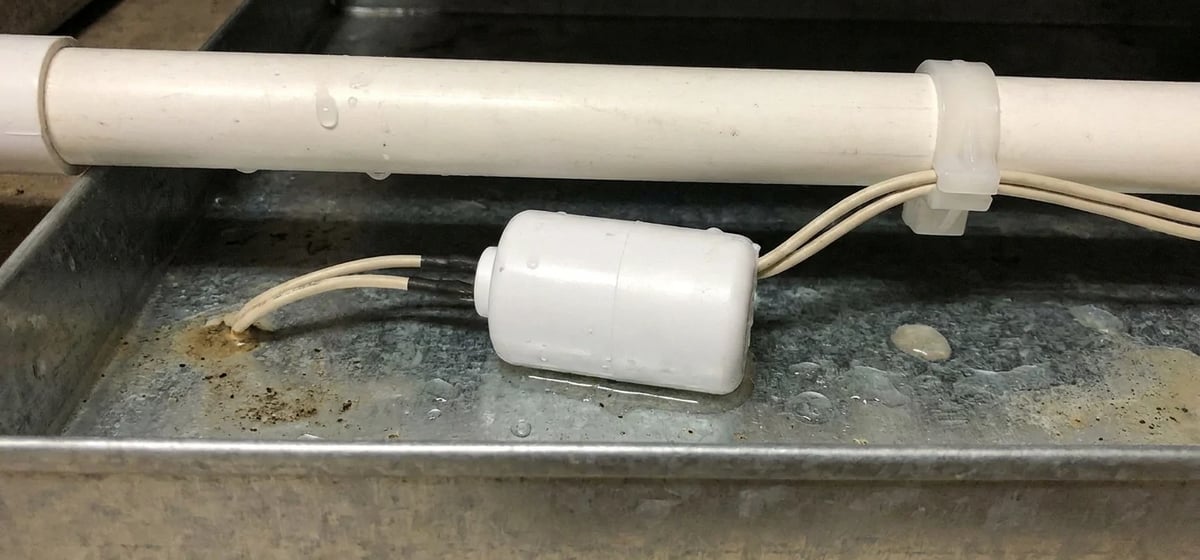
A condensate float switch is a tiny safety device that sits inside or right next to this drain pan. It works a lot like the float ball inside your toilet tank. As the water level rises in the pan, a small plastic piece on the switch floats upward. When the water pushes it to a certain height, it triggers an electrical switch. This instantly turns off your air conditioning system so it stops producing water.
Why It Matters
This simple device protects your home from serious and expensive water damage. Many indoor air conditioning units sit in the attic or inside a second floor closet. If the drain pan overflows in these spaces, water will soak right through your ceiling. It can ruin your drywall, soak your insulation, and warp your floors below.
Fixing a collapsed ceiling and replacing wet floors can cost thousands of dollars. By shutting down the system, the float switch stops the air conditioner from making more water. It gives you time to notice the problem and clear the clog before any permanent damage happens. You can learn more about how your cooling system works in our guide to HVAC & Climate Control.
How to Spot a Tripped Switch
When a float switch trips, your air conditioner stops running entirely. Here are a few common signs that your float switch has cut the power:
- Your thermostat screen goes completely blank.
- The air conditioner fan stops blowing cold air.
- You see standing water in the pan under your indoor unit.
Many homeowners panic and think their thermostat is broken or needs new batteries. In reality, the float switch just cut the power to protect the house.
You will usually find the switch plugged into the side of the drain pan or attached to the main drain pipe. It often looks like a small white or gray plastic cylinder with two wires coming out of the top. If you gently pull the top off, you will see the small plastic float inside.
Costs and Installation
If your home does not have a float switch, you should strongly consider getting one. It is a very cheap way to prevent a massive disaster. Older homes often lack these switches, so it is a smart upgrade during your first year. You can read more about setting up your house in Your First Year as a Homeowner.
Having a professional HVAC technician install a new float switch usually costs $100 to $250. Keep in mind that prices range based on where you live and the company you hire. The switch itself only costs about $20 at a hardware store. If you are comfortable working with basic low voltage wires, you can wire it in yourself in about an hour.
Maintenance and Troubleshooting
You can stop the switch from tripping by keeping your drain line clear. Once every few months during the summer, pour a cup of plain white vinegar down the access pipe near your indoor unit. This kills the algae and mold that cause clogs in the first place.
If your switch does trip, you need to clear the blockage. The easiest way is to take a wet vacuum outside. Find where the white plastic drain pipe exits your house. Hook the vacuum hose to the pipe and turn it on for a few minutes. This will suck the water and gunk out of the pipe. Once the pan drains out, the float switch will drop back down. Your thermostat will turn back on, and your air conditioner will start cooling your home again.