What is crawl space encapsulation?
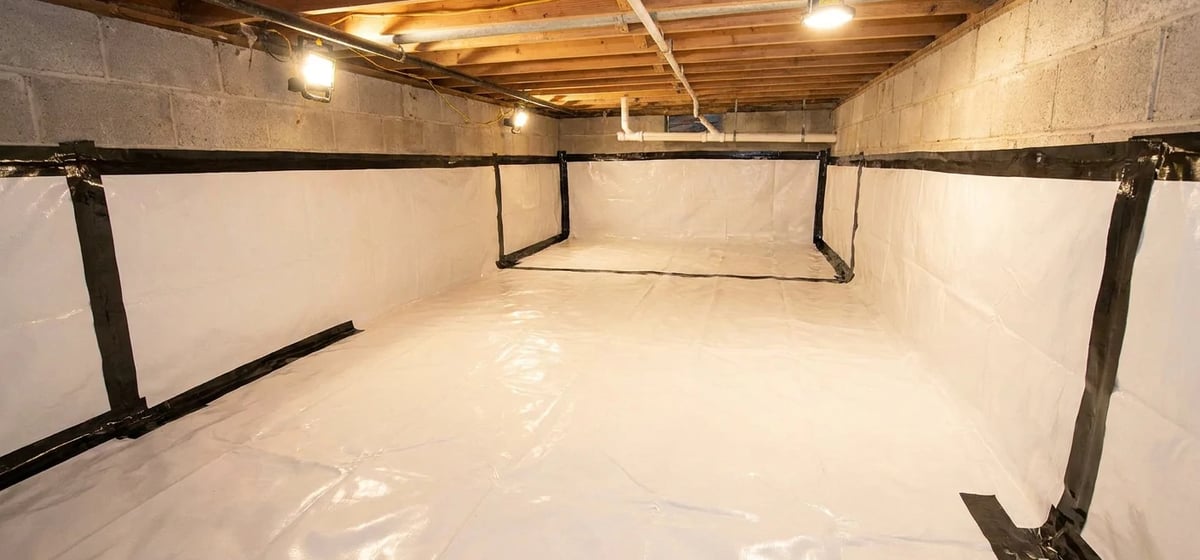
Many older homes have open dirt crawl spaces under the floor. These open spaces let in ground moisture and humid outside air. Crawl space encapsulation fixes this problem. Contractors seal the entire dirt floor and foundation walls with a thick plastic liner. They tape all the seams so no moisture can get through. This turns a damp, dirty area into a clean, dry space. It's a major upgrade for your Foundation & Structure.
Why it matters to your home
Moisture under your house causes big problems. Damp wood rots over time. It also attracts pests like termites and carpenter ants. When moisture builds up, mold grows fast. Because warm air rises, the air in your crawl space eventually moves up into your living areas. If your house smells musty after it rains, an open dirt crawl space is usually the culprit. You breathe that moldy air inside your house.
Encapsulation stops ground moisture completely. It keeps your wood framing dry and strong. It also blocks pests from nesting in damp soil. Because the air under your house stays dry, your floors feel warmer in the winter. Your air conditioner also works less in the summer. This puts less strain on your HVAC & Climate Control systems.
How the process works
A proper encapsulation job takes a few days. The crew will follow a specific set of steps to seal the space.
- Clean out: Workers remove old insulation, debris, and sharp rocks from the dirt floor.
- Lay the plastic: They roll out a heavy duty plastic vapor barrier. This plastic is usually 12 to 20 mils thick.
- Tape the seams: They overlap the plastic sheets and seal them with special waterproof tape.
- Seal the vents: They block off the outside air vents so humid summer air can't get in.
- Control the air: They install a special crawl space dehumidifier to keep the air totally dry.
What it costs
This is a big project, and prices depend on the size of your home. The condition of your crawl space also matters. If you have standing water, you might need a sump pump first. Thicker 20-mil plastic costs more than thinner 10-mil plastic, but it holds up better if you need to crawl around down there for storage or repairs.
For a typical US home, professional encapsulation costs between $3,000 to $8,000. Large homes or very dirty crawl spaces can push the price up to $15,000. Keep in mind that these ranges vary based on your local labor rates and material costs. You'll also pay a few extra dollars on your monthly electric bill to run the dehumidifier. Because of the heavy lifting and tight spaces, this is usually not a good project for beginners. You'll want to weigh DIY vs. Hiring a Pro before you try to tackle it yourself.
What to watch out for
Once the plastic is down, you still need to check on it. You or a pest control expert will likely crawl down there once a year. Some termite inspectors need to see the foundation walls. Make sure your contractor leaves a small inspection gap near the top of the wall so pest control workers can check for mud tubes.
Be careful not to drag heavy toolboxes over the plastic. Sharp objects can tear the liner and let moisture in. If you do see a tear, you can patch it easily with crawl space seam tape. You also need to change the filter on your crawl space dehumidifier. Most units need a new filter every six months. A clogged filter makes the machine work too hard and shortens its life.