What Is a Degradation Rate?
Solar panels don't produce the exact same amount of electricity forever. Every year, they lose a tiny bit of their ability to turn sunlight into power. This annual loss is called the degradation rate. The word degradation comes from the Latin word degradare, which means to step down or reduce in rank.
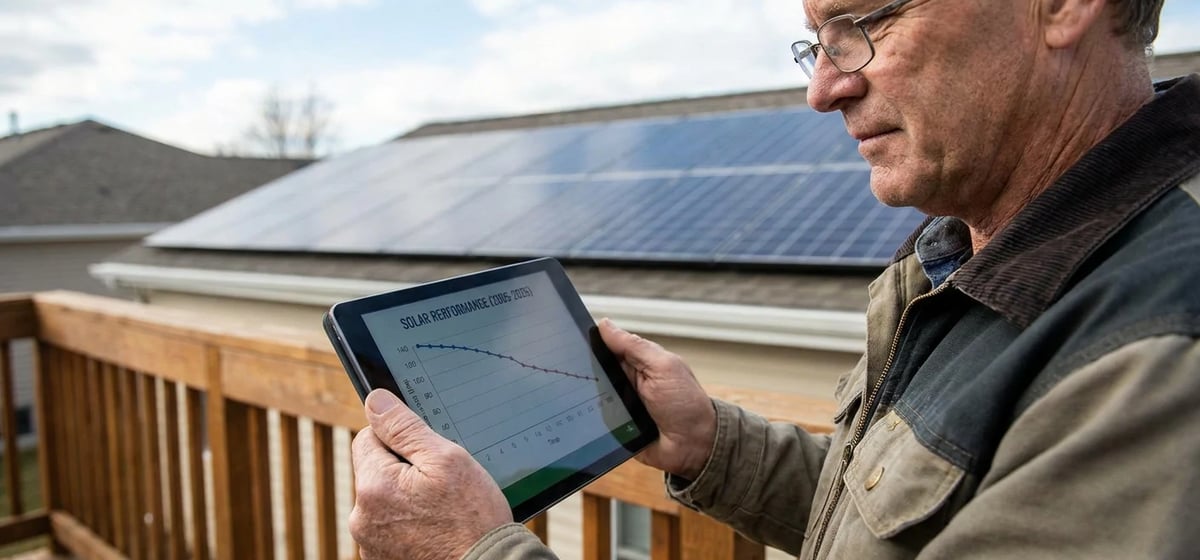
Most modern panels have a degradation rate of about 0.5 percent per year. This means your system will produce 99.5 percent of its original power in year two. By year 20, it will still produce around 90 percent of its original output. Solar experts use this term to describe the gradual, normal loss of electrical output in photovoltaic cells.
Manufacturers test these rates in special laboratories before selling the panels to the public. They expose the panels to extreme heat, damp heat, and freezing cycles to simulate decades of weather in just a few months. This gives you confidence that the number on the spec sheet matches real world conditions.
Why It Matters for Your Wallet
You need to know this number to figure out if Solar Panels make financial sense for your home. When a solar company gives you a quote, they estimate your total power savings over 20 or 25 years. They must factor in this gradual drop in power to give you an honest estimate.
If a company uses a rate of zero percent in their math, they're inflating your future savings. You'll end up buying more electricity from the grid than you expected. This is especially important now that federal home energy tax credits have ended. Any system installed after December 31, 2025, does not qualify for federal tax credits.
Without those federal credits, you have to rely on exact math to ensure your investment pays off. You can still check with your local utility company and state energy office for rebates. Accurate degradation numbers help you see exactly how much those local incentives actually offset your long term costs.
What Causes Panels to Degrade?
Solar panels sit on your roof through rain, snow, and extreme heat. This harsh environment slowly breaks down the materials inside the panel. There are a few main reasons this happens over time.
- Thermal cycling: Panels expand during hot days and shrink during cold nights. This constant movement strains the internal connections.
- Ultraviolet light: Constant exposure to the sun slowly degrades the chemical makeup of the silicon cells.
- Moisture and wind: Tiny amounts of water can seep into the panel seals over a decade or two. High winds also flex the glass and frame.
You can't stop this process completely. However, buying high quality panels from a reputable brand ensures the rate stays as low as possible. Premium solar panel systems cost 15,000 to 25,000 dollars for an average home, and ranges vary based on your location. That higher upfront cost usually buys you a much better degradation rate compared to cheap panels.
How to Read Solar Warranties
When you're reading about Hiring Contractors & What Things Cost, always ask for the performance warranty. This document promises that your panels won't degrade faster than a specific rate. Most premium brands guarantee at least 85 percent to 92 percent capacity at the 25 year mark.
If your panels drop below that guaranteed number, the manufacturer must replace them or refund the difference. Keep your original paperwork in a safe place. You'll need it if you ever notice a sudden drop in your daily power output.
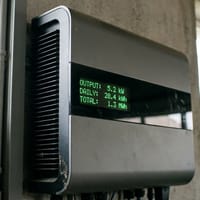
You can track your system performance using the app provided by your solar installer. If you see a massive drop in power from one month to the next, you aren't looking at normal degradation. A sudden loss usually means you have a broken panel, a dirty system, or a chewed wire.