What is foundation settlement?
Foundation settlement happens when the soil beneath your house shrinks or shifts. This causes your home to sink unevenly into the ground. The word foundation comes from the Latin word fundatio, which means laying a base. Builders added the word settlement to describe how a structure literally settles into the earth over time under its own weight.
A little bit of sinking is normal for brand new homes. When a house is built, the heavy wood, brick, and roofing materials press down on the dirt. The soil compacts and the house drops a fraction of an inch. This usually happens in the first few years. You can read more about what to expect during this time in the New Homeowner Guide. Normal settling happens evenly across the whole house and rarely causes damage.
Why it matters to you
When your house sinks evenly, it is not a big deal. But when one corner drops more than the rest, the wood framing and exterior brick begin to twist. This uneven drop is called differential settlement. It puts massive stress on your walls, floors, and roof.
If you ignore an uneven drop, the damage spreads quickly. Your water lines and drain pipes might bend and break under the pressure. It also creates gaps that let rainwater and bugs get inside your basement or crawlspace. If you ever plan to list your property, a sinking house is a massive red flag. Buyers will ask for huge discounts, which you can learn more about in Selling Your Home.
Signs of trouble
You will see clues inside and outside your house when the base starts to fail. Keep an eye out for these common red flags as you walk around your property.
- Diagonal cracks in your drywall, especially coming off the top corners of windows and doors.
- Interior doors that stick in their frames or fail to latch when you close them.
- Gaps forming between your walls and the ceiling or the baseboards.
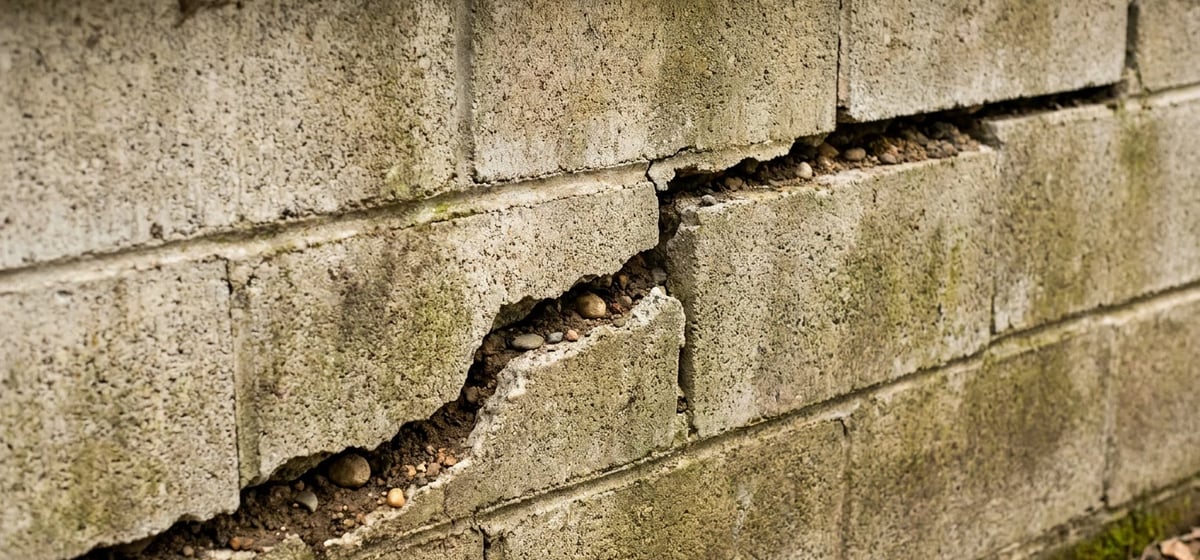
- Stair-step cracks in your exterior brick or concrete block walls.
- Sloping floors that make a marble roll to one side of the room.
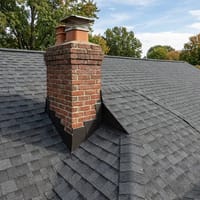
- A chimney that looks like it is leaning or pulling away from the exterior siding.
What causes the soil to move?
Water is usually the main culprit behind a shifting house. Too much water makes clay soil swell up like a sponge and lift your house. When a hot summer drought hits, that same soil dries out and shrinks away. This leaves your heavy concrete footings hanging in the air without any support.
Poor drainage around your yard makes this cycle much worse. Gutters that dump rainwater right next to your walls will cause the dirt to turn to mud. Big trees planted too close to your house can also drink up all the moisture in the dirt during a dry spell. You can learn how to manage yard water and protect your base in the Landscaping, Drainage & Outdoor section.
What it costs to fix
If you suspect your house is sinking, your first step is hiring a structural engineer. They will measure the floors and tell you exactly what is moving. An independent engineering inspection usually costs 300 to 800 dollars.
If the house is actively sinking, you will need a foundation repair company. For a concrete slab that just needs a small lift, they might inject polyurethane foam under the concrete. Foam lifting costs 1,000 to 3,000 dollars on average. If the problem is severe, they must drive heavy steel piers deep into the ground to permanently support the house.
Installing steel piers is a major construction project. A minor repair on one corner might cost 3,000 to 6,000 dollars. A severe problem that needs piers installed all the way around the house can easily cost 15,000 to 30,000 dollars or more. Keep in mind that prices range widely based on where you live, the soil type, and how far the house sank.