What is a four-point inspection?
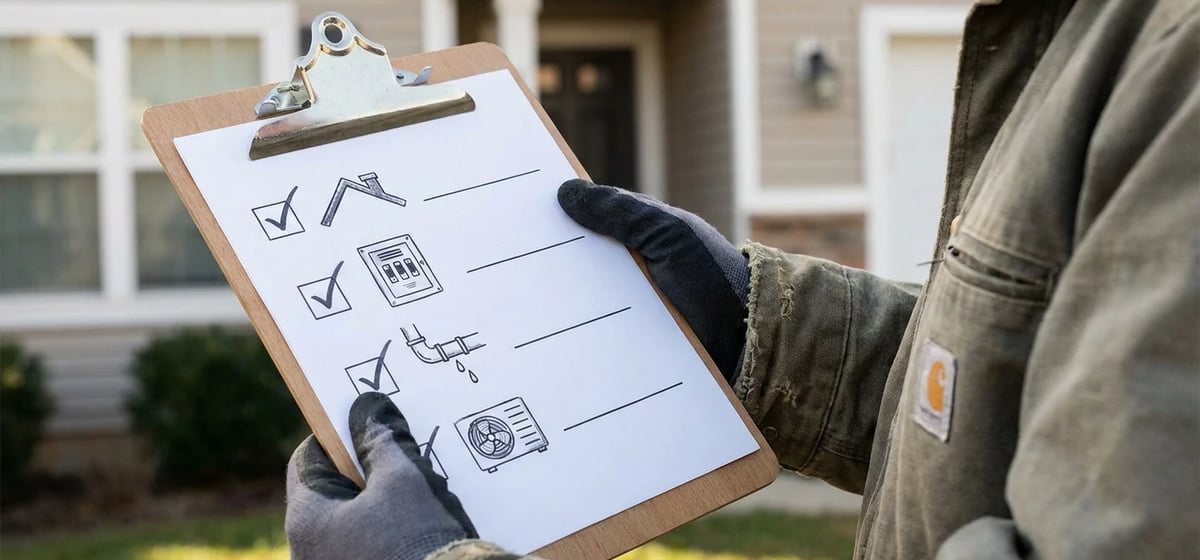
A four-point inspection is a strict evaluation of your home. It focuses on just four main areas. These are your roof, electrical system, plumbing, and heating and cooling equipment. The insurance industry created this specific checklist in the early 2000s. It helps them quickly assess the highest risk areas of older homes.
This isn't the same as a full buyer inspection. A full inspection covers everything from the foundation to the windows. A four-point report ignores cosmetic issues and most structural elements. It only tells the insurance company if your core systems are safe and up to date. You'll often need this when shopping for Home Insurance.
Why insurance companies require it
Insurance providers want to limit their financial risk. Homes older than 20 to 30 years often have outdated materials. These older systems are more likely to fail and cause expensive damage. A leaky roof or old wiring can lead to massive claims.
The four-point report proves your home meets current safety standards. If your home fails the inspection, the insurance company might deny coverage. They could also require you to fix the issues before they issue a policy. Sometimes they give you a short window to make repairs after you buy the house.
What the inspector looks for
The inspector will spend most of their time looking at your four main systems. They check the age, condition, and maintenance history of each one. Here's exactly what they evaluate.
- Roofing: They check the age and condition of your shingles or tiles. They look for missing pieces, leaks, and signs of water damage. Learn more about your roof materials in our Roofing guide.
- Electrical: They check the size of your main panel and look for dangerous wiring. Unsafe brands or ungrounded wires will cause an instant failure. You can read about safe panels in our Electrical section.
- Plumbing: They look at the pipes under your sinks and near your water heater. They don't want to see risky materials like polybutylene or lead pipes.
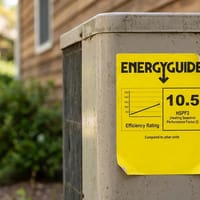
- HVAC: They check your heating and cooling equipment. They want to make sure your furnace and air conditioner work properly and do not pose a fire hazard.
What it costs and how to prepare
You can expect to pay 100 to 150 dollars for a standalone four-point inspection. Prices vary depending on where you live and the size of your home. If you bundle it with a full home inspection, the inspector might only charge 50 to 75 dollars extra.
If you need to upgrade a system to pass inspection, look for local incentives. Federal home energy tax credits ended on December 31, 2025, under the One Big Beautiful Bill Act. You can't claim these credits anymore. However, your local utility company or state energy office might still offer rebates for new heat pumps or water heaters.
What happens if you fail the inspection?
Failing a four-point inspection sounds scary, but it is very common. It just means the inspector found a system that poses a high risk to the insurance company. The most common reasons for failure are an old roof or an outdated electrical panel.
If you fail, the insurance company will usually give you a list of required repairs. You might have to replace a leaky water heater or update your wiring. If you are buying the home, you can ask the seller to make these repairs or lower the purchase price.
Once the work is done, you will need to prove it. The inspector will come back to take new photos and update the report. After you submit the clean report, your insurance company can finalize your coverage.