What is a freeze-thaw cycle?
A freeze-thaw cycle happens when water seeps into tiny cracks in your home exterior and then freezes into ice. When water turns to ice, it expands by about nine percent. This expansion acts like a tiny wedge. It pushes the crack a little wider. When the weather warms up, the ice melts back into water. That water now flows deeper into the newly widened crack. When the temperature drops again, the water freezes, expands, and pushes the crack even wider. This repetitive process destroys hard materials over the winter months.
This cycle is a major problem in parts of the United States where winter temperatures constantly bounce above and below 32 degrees Fahrenheit. Over a single winter, your home might go through dozens of these cycles. Slowly but surely, this natural process tears apart bricks, concrete driveways, and roofing materials.
Where you will see the damage
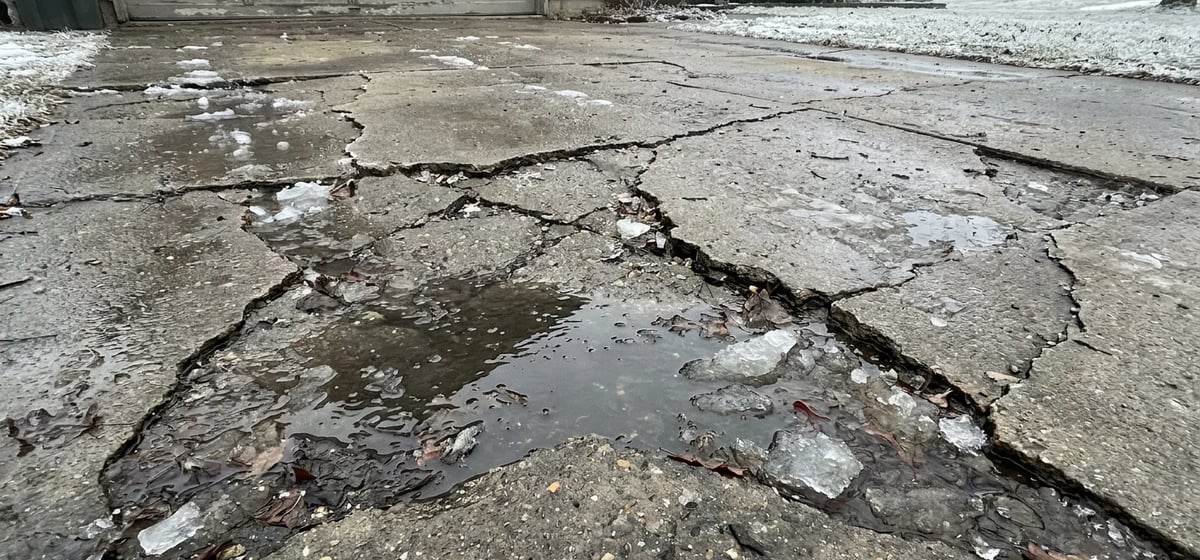
Any porous material outside your home is at risk. Concrete driveways and patios are common victims. The surface of the concrete will start to flake or pop off. Builders call this spalling. Once the top layer is gone, the concrete degrades much faster.
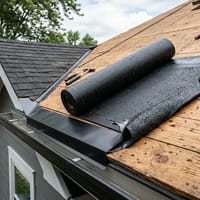
Brick walls and chimneys also suffer heavily. The mortar that holds bricks together absorbs water easily. When that water freezes, the mortar crumbles into a sandy powder. Eventually, the bricks become loose. Your roof is another prime target. Water gets under loose shingles, freezes, and lifts them up. This exposes your roof deck to leaks and rot. You can learn more about protecting your roof in our guide to Roofing.
The most expensive damage happens at the base of your home. If water pools near your house and freezes, it can crack your concrete slab or basement walls. Fixing these issues is costly, so understanding your Foundation & Structure is vital for long-term protection.
What to watch for
You need to inspect your exterior before and after winter. Look for small changes that signal a freeze-thaw problem. Catching these early saves you money.
- Flaking or pitted concrete on your driveway, walkways, or patio.
- Cracks in your foundation walls that seem wider than they were last year.
- White powder or crumbling gray mortar between your exterior bricks.
- Shingles that look curled, lifted, or out of place.
- Puddles of water that sit right next to your foundation after a rainstorm.
How to protect your home
The best way to stop freeze-thaw damage is to keep water away from vulnerable areas. You can't control the weather, but you can control where the rain goes. Start by checking your gutters and downspouts. Make sure they dump water at least five feet away from your house. Good grading is also important. The dirt around your home should slope downward so water flows away. If you have drainage issues, our Landscaping, Drainage & Outdoor guide covers how to fix them.
Next, seal up any cracks before the first freeze. You can buy masonry caulk or concrete sealant at any hardware store. A tube of sealant costs 10 to 20 dollars. Applying it takes just a few minutes. You should also apply a penetrating concrete sealer to your driveway every few years. A five-gallon bucket of sealer costs 100 to 200 dollars and protects the whole surface from absorbing water.
If the damage is already done, repairs will cost more. Hiring a pro to fix crumbling brick mortar usually costs 500 to 2500 dollars. Resurfacing a spalled concrete driveway can run 1500 to 4000 dollars. Keep in mind that these ranges vary based on where you live and how bad the damage is. Staying ahead of the freeze-thaw cycle keeps these expensive repairs off your plate.