What is a Frost-Free Sillcock?
A frost-free sillcock is a special outdoor water faucet designed to survive freezing weather. The name comes from an old plumbing term. "Sill" refers to the base of your house, and "cock" is an old word for a water valve. Plumbers invented the frost-free version in the middle of the twentieth century. They wanted to solve the common problem of frozen exterior pipes bursting in the winter.
A normal outdoor faucet puts the water valve right on the outside of your house. When winter comes, the water sitting right behind that valve gets very cold. It can easily freeze, expand, and crack the metal. A frost-free sillcock fixes this design flaw.
It uses a long metal tube that goes deep inside your warm house. The actual water valve sits at the very end of this tube, safely inside your heated walls or basement. The metal rod inside the tube connects the outside handle to the inside valve. When you twist the handle, that long rod spins and opens the valve inside your house. This clever design means you control the indoor water from the outside. When you turn off the handle outside, it shuts off the water deep inside. The leftover water in the long tube then drains out onto the ground. Since the tube is empty, there's nothing left to freeze.
Why It Matters for Your Home
A cracked pipe is a major headache. If a regular faucet freezes and cracks over the winter, you might not notice it until spring. The moment you turn on the water to wash your car, water sprays inside your walls. This can cause thousands of dollars in water damage.
Having frost-free sillcocks protects your home from these costly Home Emergencies. You don't have to worry about running into the basement to shut off special indoor valves every autumn. The faucet does the hard work for you. It keeps the water safely inside the warm envelope of your house.
How to Spot One on Your House
You can usually tell if you have a frost-free sillcock just by looking at it. Here are a few clues to check.
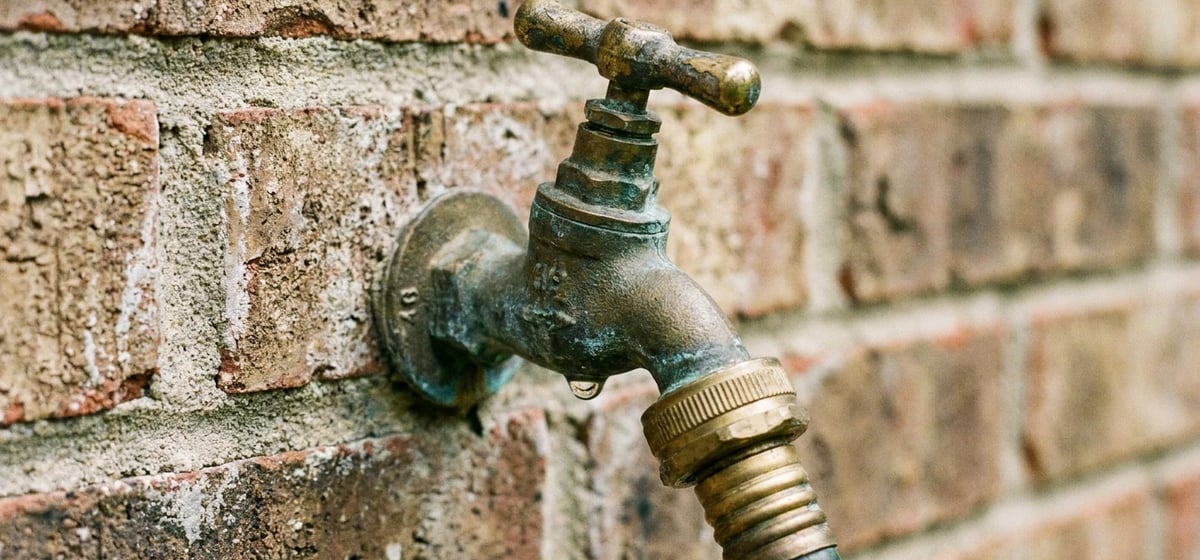
- Look at the handle position. A frost-free handle usually sticks straight out from the wall. A standard faucet handle often sits on top of the spout.
- Check the angle. The metal tube should tilt slightly downward so gravity can pull the leftover water out.
- Look for a plastic cap on the top. Many modern frost-free sillcocks include a vacuum breaker. This looks like a small cap sitting right behind the handle. It stops dirty garden water from getting sucked backward into your clean drinking water.
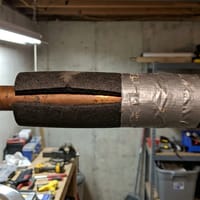
- Look behind the wall. If you have an unfinished basement, you'll see the long copper or brass tube poking through the wood before it connects to your main Plumbing pipes.
Costs and Maintenance
These faucets are very durable, but they do wear out over time. The rubber washers inside can get old and brittle. If your outdoor faucet leaks when it's turned on, or drips constantly when it's turned off, you might need a repair or a replacement.
It's a good idea to test your outdoor faucets every spring. Turn them on and check the water pressure. Then, go inside and look at the ceiling or floor right behind the faucet. Make sure there are no hidden drips. Finding a small leak early saves you from tearing out soggy drywall later.
You can sometimes buy a repair kit at a hardware store for about 15 to 30 dollars. This lets you swap out the internal parts without removing the whole pipe. If the metal tube is cracked, you have to replace the entire unit. A new frost-free sillcock costs about 30 to 50 dollars at the store.
If you don't feel comfortable cutting and soldering pipes, you'll need to call a plumber. Having a professional install a new frost-free sillcock usually costs 150 to 400 dollars. Keep in mind that prices and ranges vary depending on where you live and how hard it is to reach the pipes inside your house. You can read more about typical labor rates in our guide on Hiring Contractors & What Things Cost.