What Hydronic Heating Is
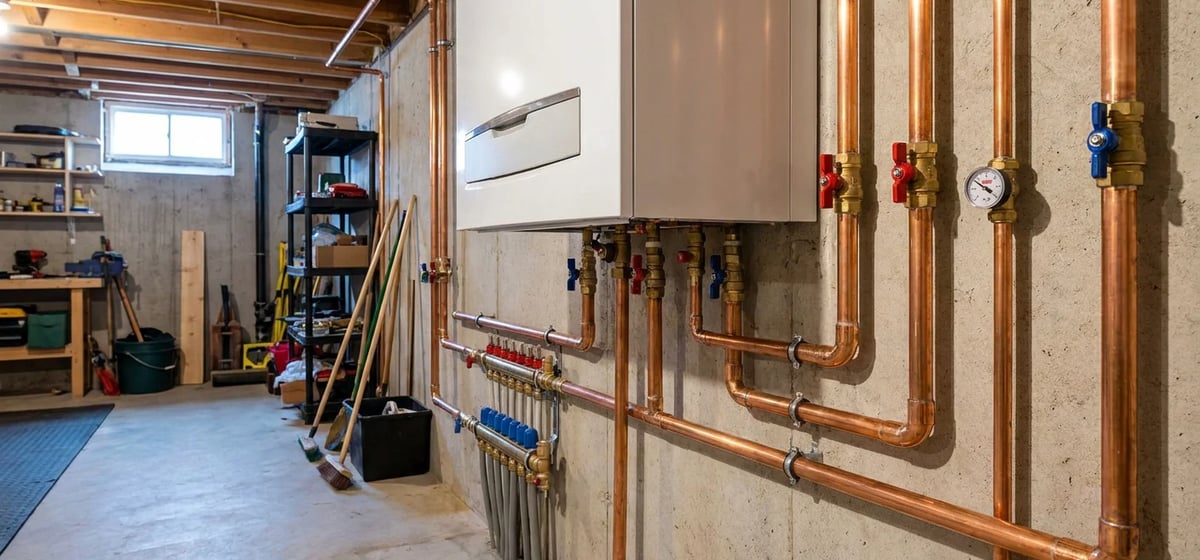
Hydronic heating is a system that uses water or a liquid mixture to move heat throughout your home. A central boiler heats the liquid and pumps it through closed pipes to radiators, baseboards, or tubes under your floor. It does not use forced air. You will not feel drafty breezes while it warms your rooms. The term hydronic comes from the Greek word hydro, which means water. Engineers started using the word in the 1950s. They needed a name for modern liquid based heating systems as they replaced older steam heat setups.
Why It Matters To You
This type of heat feels very different from a standard furnace. A furnace blows hot air through vents. That moving air can stir up dust, pet dander, and allergens. Hydronic heating just radiates warmth into the room. This makes it a great choice if someone in your family has bad allergies. It is also completely silent. You will not hear the loud whoosh of a blower motor kicking on in the middle of the night.
Many homeowners also find these systems save them money on winter utility bills. Water holds heat much better than air does. Once the water gets hot, it stays hot for a long time. This means your boiler does not have to run constantly to keep your house comfortable.
Where You Will Find It
You usually see hydronic systems set up in three different ways inside a house. All three styles connect back to a central boiler. You can read more about how boilers fit into your home in our guide to HVAC & Climate Control.
- Cast iron radiators: You will find these heavy metal units standing against the walls in older homes. They take a while to heat up but hold onto their warmth for hours.
- Baseboard heaters: These are long metal covers that run along the bottom of your walls. Inside the covers, hot water flows through a copper pipe covered in thin metal fins.
- Radiant floor heating: Installers weave special plastic tubes back and forth under your Flooring. The hot water warms the floor itself. This makes your bare feet feel amazing on a cold January morning.
Zoning Your Home For Comfort
One huge advantage of hydronic heating is how easy it is to create zones. In a standard forced air house, one thermostat usually controls the whole building. If you want the living room warmer, you have to heat the empty guest bedrooms too. Hydronic systems use simple valves to direct the hot water exactly where you want it.
You can put a thermostat in every single room if you want to. This means you can keep your bedroom cool for sleeping while keeping the baby nursery nice and warm. Setting up zones saves a lot of energy because you are not wasting money heating empty spaces.
What To Watch For
Hydronic systems are very reliable, but they do need regular care. You should have a pro inspect your boiler once a year before winter starts. Sometimes air gets trapped inside the pipes. When this happens, your radiators will feel cold at the top and hot at the bottom. You will need to open a small valve to let the air out. This is called bleeding the system.
Installing a brand new hydronic system is expensive. If you are retrofitting an older home, expect to pay between 6000 to 15000 dollars. Radiant floor heating costs even more. You might pay 10 to 20 dollars per square foot just for the tubing and installation. Keep in mind that prices vary widely based on where you live and the size of your house.
Because these systems use water, leaks are always a risk. If you see puddles near your boiler or baseboards, call a pro who handles Plumbing right away.