What It Is
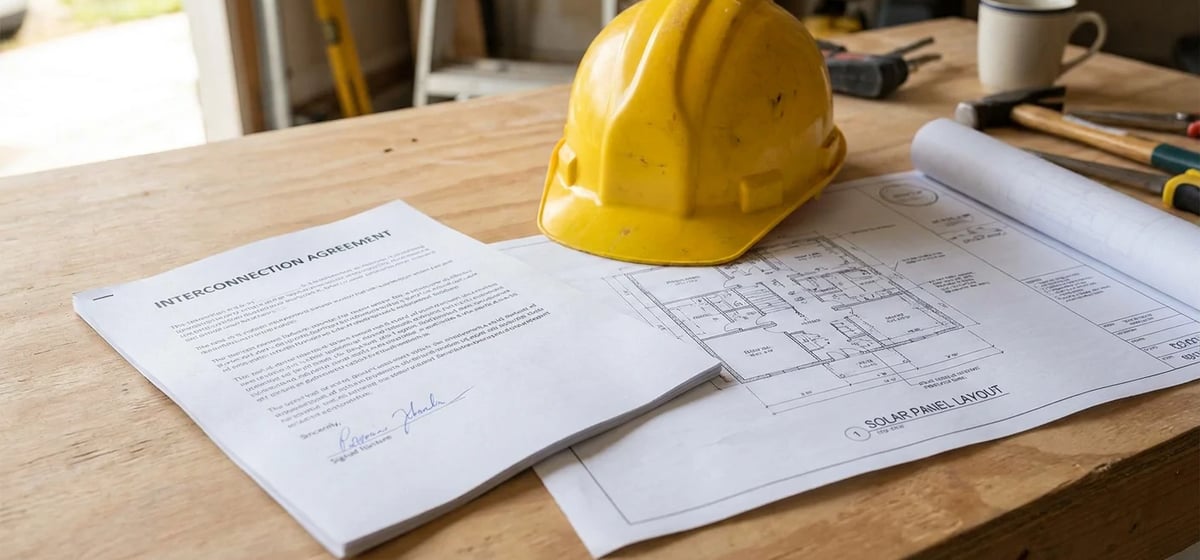
An interconnection agreement is a legal contract between you and your local power company. It gives you official permission to connect your private solar panels or home battery to the public electrical grid. You must sign this paperwork before you can legally turn on your new system.
The term first popped up in the late 1970s. Back then, early private solar and wind systems started feeding power back into public utility grids. The word combines the prefix inter, meaning between, with connection. It simply describes two independent power systems linking together safely.
This contract acts as the ultimate rulebook for your home power plant. It proves that your equipment meets all local safety standards. It also confirms that your specific setup will not overwhelm the local power lines or cause problems for your neighbors.
Why It Matters
This agreement protects the people who work on neighborhood power lines. If the public grid goes down during a storm, your solar panels could still produce electricity. The contract requires your system to shut off automatically so it does not send live current backward and shock utility workers.
The document also explains exactly how the utility will bill you. It sets the rules for how you get credited for the extra electricity your system produces during sunny days. This billing setup is often called net metering. You want these financial terms clearly spelled out so you know what to expect on your monthly statement.
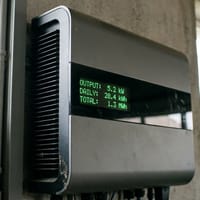
Without this agreement, your utility company will not install the special meter you need. This two-way meter measures power flowing in both directions. It tracks what you pull from the grid at night and what you push into the grid during the day.
The Application Process
You rarely have to handle this paperwork by yourself. Your solar installer usually submits the application on your behalf. They know exactly what technical details the power company needs to see. They will also include a detailed map of your home electrical setup.
Your utility company will charge a fee to review your application and send an inspector. These application fees typically run from 100 to 500 dollars. Ranges vary based on your location and the size of your system. You might also have to pay to upgrade your main electrical panel if it is too old to handle the new solar input.
Once the utility company approves the paperwork, they will issue a document called Permission to Operate. This is the final green light. Only after you receive this official notice can your installer flip the switch to turn your system on.
Adding to Your System Later
Your original agreement only covers the exact equipment you installed on day one. If you decide to add more panels to your roof later, you cannot just plug them in. You have to submit a brand new application to your utility company.
The same rule applies if you want to add a home battery storage system down the road. The utility needs to know about any major changes to how your home interacts with their grid. They will review the new plans and issue an updated contract.
Keep in mind that rules and rates can change over time. When you update your agreement, the utility might move you to a new billing plan. Always ask your installer how an expansion might affect the credit you get for your extra electricity.
What to Watch For
Approval timelines can be very frustrating for a homeowner. Getting your final paperwork signed often takes four to eight weeks after your panels are physically installed. You will have brand new equipment sitting on your roof that you cannot use yet. You just have to be patient while the utility company processes the forms.
You also need to pay close attention to your project budget. Federal home energy tax credits ended completely on December 31, 2025. You can no longer claim a federal tax break for new solar panels or home batteries. Instead, you should check with your state energy office or local utility for current cash rebates.
Finally, read the fine print about system size limits. Some utilities restrict how many panels you can install based on your past energy use. If you plan to add an electric car or an electric heat pump soon, tell your installer early. They can help you request a slightly larger system in your initial agreement.