What Is an Interlock Kit?
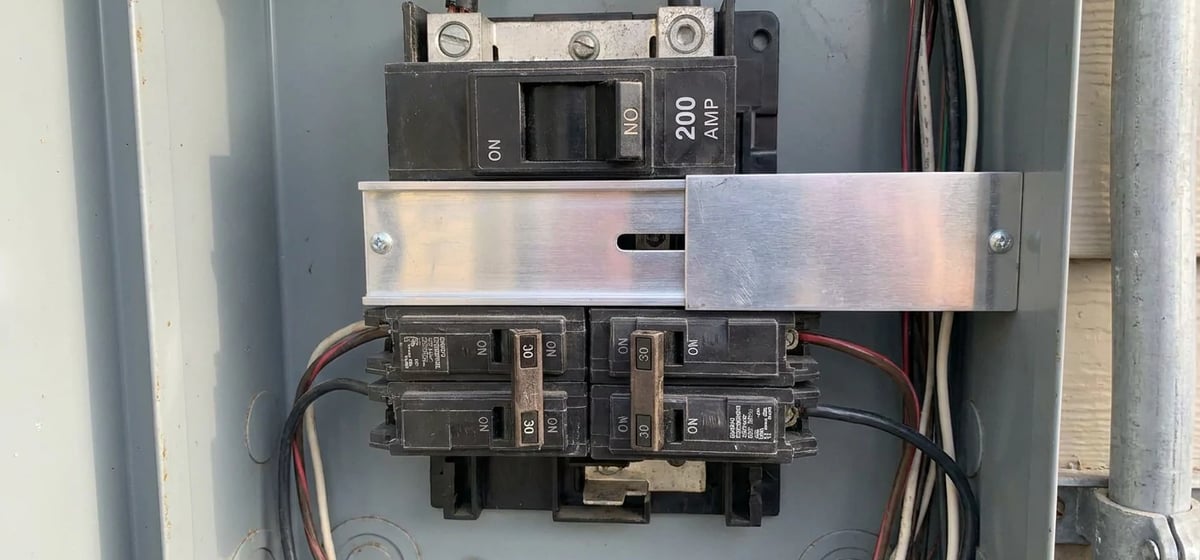
An interlock kit is a simple metal bracket that covers your main electrical breaker. It prevents you from turning on the main breaker while a portable generator is running. You have to slide a metal plate out of the way to switch power sources. The word interlock combines the Latin prefix inter meaning between and the Old English word locc meaning a fastening. Electricians developed these manual sliding brackets in the late twentieth century. They needed a cheaper alternative to automatic transfer switches. This small piece of metal keeps you and your neighbors safe during a power outage. It ensures that your home only receives power from one source at a time.
Why It Matters for Your Safety
When the grid goes down, you might plug a portable generator into your house to keep the lights and fridge running. This is a common step to take during Home Emergencies. But if you leave your main breaker on, your generator sends electricity back into the neighborhood power lines. This dangerous process is called backfeeding. Backfeeding is incredibly dangerous and often illegal. Utility workers fixing the lines outside can get electrocuted by the power coming from your house.
Never plug a generator directly into a standard wall outlet without an interlock kit or transfer switch. This illegal practice can kill utility workers trying to restore power to your street.
An interlock kit physically stops this from happening. It forces you to turn off the main grid power before you can turn on the generator power. You cannot accidentally forget to flip the main switch because the metal bracket is in the way.
How It Works with Your Panel
The kit mounts directly onto the front cover of your main Electrical panel. It features a sliding metal plate that blocks either the main breaker or the generator breaker. You absolutely cannot have both breakers turned on at the exact same time.
- To use your generator, you must first turn off the main breaker that connects your house to the street.
- Then, you physically slide the metal plate up or down.
- Once the plate moves, it blocks the main breaker from turning back on.
- Now you can safely flip the generator breaker to the on position.
When utility power comes back, you just reverse the simple steps. Turn off the generator breaker, slide the plate back to its original spot, and turn on the main breaker.
What It Costs to Install
Interlock kits are a budget friendly way to power your whole house safely. The metal bracket itself usually costs 50 to 150 dollars. However, you also need a power inlet box mounted on the outside of your house. You also need heavy gauge wiring to connect that box to your breaker panel. You will need to hire a licensed electrician to install everything safely and correctly. Total installation costs usually run from 500 to 900 dollars. Keep in mind that prices vary based on your location and the layout of your home. This setup is much cheaper than an automatic transfer switch. An automatic switch can cost 1,500 to 3,000 dollars to install.
What to Watch Out For
Every electrical panel is built differently. You must buy the exact interlock kit made for your specific panel brand and model number. A generic kit will not fit properly and will fail to keep you safe. Because this job involves opening your main electrical panel and working near live wires, you should not do it yourself. Check out our guide on DIY vs. Hiring a Pro if you are unsure about electrical work. Always hire a licensed electrician to install the kit. They will pull the right permits and ensure the work meets all local building codes. Your local building inspector will likely need to approve the installation before you can safely use it during a storm.