What is knob and tube wiring?
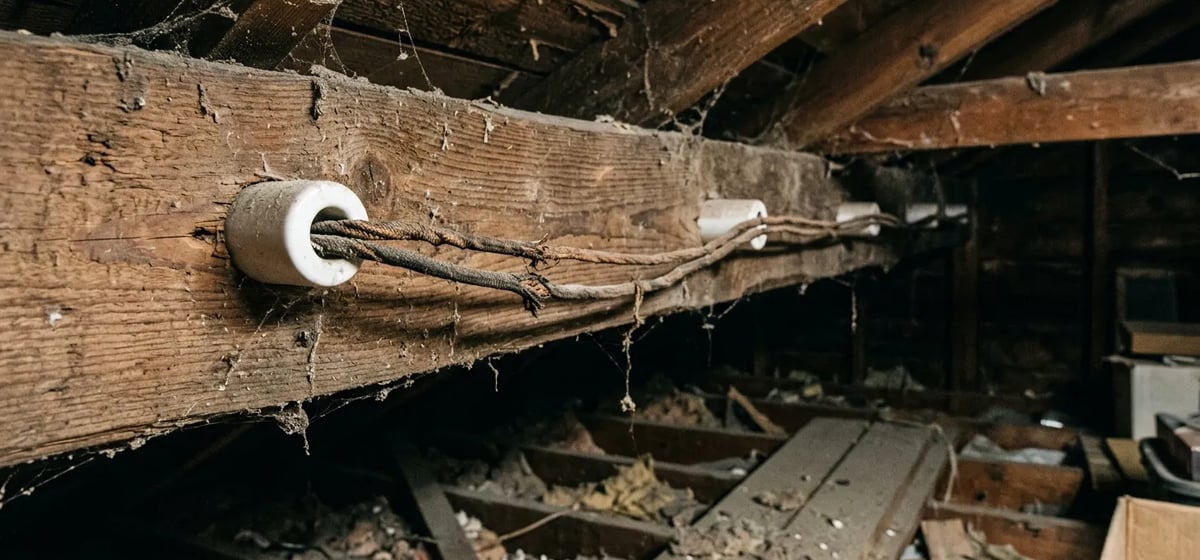
Knob and tube wiring is an old electrical system found in houses built before 1950. Electricians named it after the two main ceramic parts they used to secure the wires. You will see white ceramic knobs that nail into wood framing to hold the wires tight. You will also see ceramic tubes that protect the wires when they pass right through the wooden studs.
This was the standard way to wire a building from the 1880s until the 1940s. The wires themselves are wrapped in a rubber and cloth casing. Over the decades, this cloth casing turns brittle and flakes off. When that happens, bare live wires are left exposed inside your walls. The hot and neutral wires run separately, often spaced several inches apart, rather than being bundled together in a single plastic cable like modern wiring.
Why it is a major hazard
You should replace this system because it lacks a ground wire. Modern electrical systems use three wires. The third wire is a ground wire that safely directs extra electricity away to the earth if something goes wrong. Knob and tube only has two wires. If a surge happens or a wire comes loose, that electricity has nowhere safe to go. This creates a severe shock risk for anyone touching an appliance and a major fire hazard inside your walls.
This old wiring also cannot handle the power demands of a modern family. When this system was new, people only plugged in a few lamps or a radio. Today, we plug in televisions, computers, microwaves, space heaters, and hair dryers. This heavy electrical load causes the old wires to overheat. Because of this high fire risk, many companies will deny you coverage or charge very high premiums when you shop for Home Insurance until you update the system completely.
How to spot it in your home
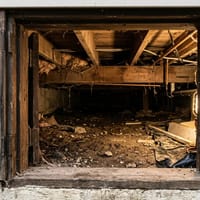
You can usually spot this old wiring in unfinished spaces where the ceiling joists are exposed. Grab a flashlight and look around your basement or attic. You are looking for thick black wires running straight through white porcelain tubes in the wood. You might also see wires tied to white porcelain knobs nailed to the side of the wooden beams.
If your walls are closed up, you might not see the wires directly. However, old two-prong outlets are a strong clue that you might have outdated Electrical systems hidden behind the drywall. Another sign is push-button light switches. A licensed electrician can open a few outlets or switches to check the wiring behind them. Sometimes, previous owners update the basement but leave the old wiring buried in the attic or the second floor.
What it costs to replace
If you find this wiring in your house, you need to hire a licensed professional to remove it and pull new copper wire. This is a messy and time-consuming job. The electrician will need to cut holes in your walls and ceilings to fish the new wires through the house. They will also likely upgrade your main electrical panel to handle the new circuits.
Rewiring an older house is a big investment. You can expect to pay anywhere from $8,000 to $15,000 for a full replacement in a typical historic home. Keep in mind that these ranges vary based on where you live, the size of your house, and how hard it is to reach the old wires. You will also need to pay a drywall contractor to patch and paint the holes once the electrician finishes. When you plan this project, it is smart to read up on Hiring Contractors & What Things Cost so you know how to compare bids and check licenses.