What is makeup air?
Think of your house like a plastic bottle. If you suck the air out, the bottle caves in. Your home does not cave in, but it does experience negative pressure. Every time you run a kitchen exhaust fan, a bathroom vent, or a clothes dryer, you blow indoor air outside. New air must come inside to replace it. This replacement air is called makeup air.
Old houses are drafty. They pull replacement air in through leaky windows and gaps in the walls. Modern homes are tightly sealed to save energy. When a powerful exhaust fan runs in a tight house, the house struggles to find replacement air. A makeup air system solves this. It is a dedicated vent pipe that automatically opens to let fresh outside air into your home.
Why it matters for your safety
Negative air pressure is more than just an annoyance. It can actually be dangerous. If your house cannot pull fresh air through cracks and gaps, it will pull air from anywhere it can. Often, this means sucking air down your chimney or through your gas water heater vent.
Even if you do not have gas appliances, negative pressure causes problems. You might notice doors slamming on their own. Exterior doors might be hard to pull open. You might also smell strange odors from your plumbing vents or garage. A proper makeup air system keeps your HVAC & Climate Control systems balanced and your indoor air safe.
When do you actually need it?
You usually run into makeup air rules when you remodel your kitchen. Most local building codes require a makeup air system if you install a high powered kitchen range hood. The magic number is usually 400 cubic feet per minute. If your new hood blows more than 400 cubic feet of air per minute out of the house, you must install a makeup air system.
You might also need one if you upgrade your home to make it more airtight. Upgrading your Windows & Doors stops drafts, but it also cuts off your home's natural air supply. Upgrading your Appliances without thinking about ventilation can easily trap you in a negative pressure situation.
How it works and what it costs
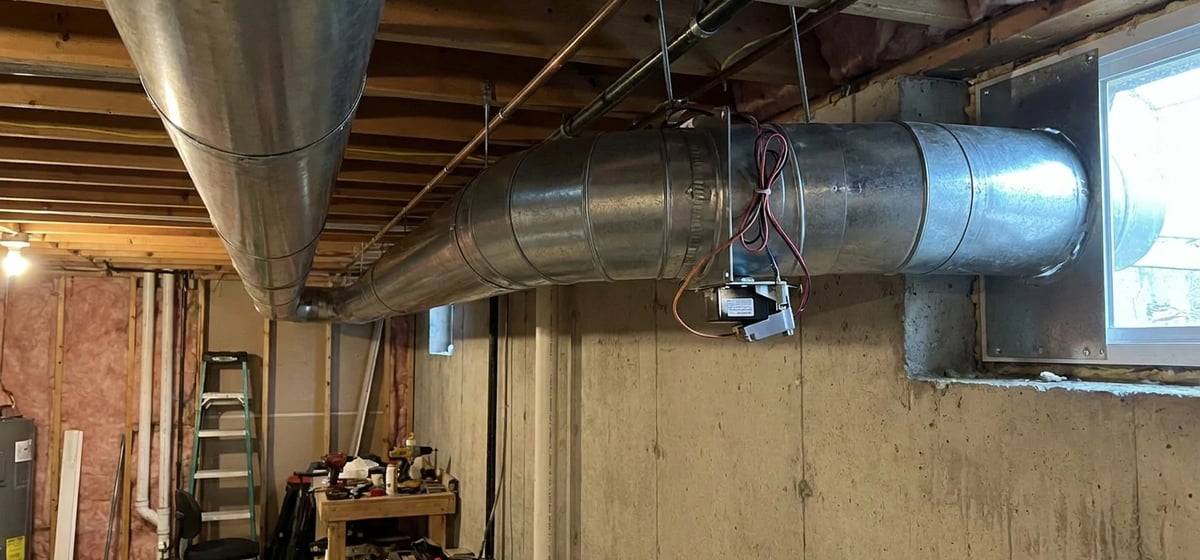
Makeup air systems come in two main types. Passive systems are simple. They use a motorized damper connected to your exhaust fan. When you turn on the kitchen hood, the damper opens a pipe in your basement or attic to let fresh air in. Active systems are more complex. They use their own fan to push air into the house. In cold climates, active systems also include a heater so you do not blast freezing air into your living room.
Installation costs depend on the type of system you need. Prices vary widely based on your location and setup, but here are some general estimates.
- Passive damper system: Expect to pay 300 to 600 dollars for parts and labor.
- Active system with a fan: This usually costs 800 to 1,500 dollars.
- Active system with a heater: Adding a heater drives the price up to 1,500 to 2,500 dollars.
If you suspect your home has negative pressure, hire a professional. An HVAC contractor can measure your home's air pressure and tell you exactly what you need.