What Is A Pier And Beam Foundation?
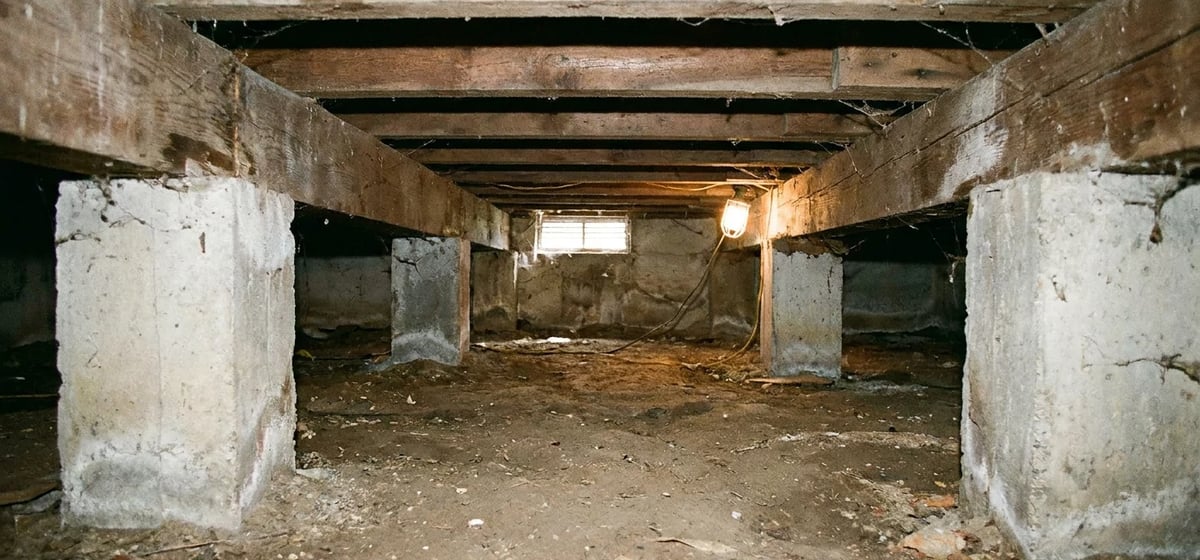
A pier and beam foundation lifts your house off the ground. Instead of sitting on a flat slab of concrete, your home rests on a system of sturdy supports. Builders drive concrete or brick pillars deep into the earth. These pillars are the piers. Heavy wooden or steel beams rest across the top of these piers. Your floor joists then sit on top of the beams. This design creates a gap between the dirt and the bottom of your house. We call this empty space a crawlspace.
You will often see this foundation type in older homes. Builders also use it today in areas with heavy clay soil or high flood risks. The deep piers anchor the house securely. This setup stops the house from cracking when the dirt swells and shrinks with the weather.
Why This Design Helps You
Having a crawlspace under your home makes a big difference when things break. All your major utility lines run through this open area. If a pipe bursts or you need to rewire a room, a contractor can easily crawl under the house. They don't have to break through a solid concrete floor to fix the problem. You can learn more about how your home pipes work in our Plumbing guide.
This foundation also protects your home from water damage. Because your floor sits 18 to 36 inches above the dirt, heavy rain flows under the house instead of inside your living room. The wood frame also acts like a shock absorber. When the ground shifts during a dry summer, the house can flex slightly without snapping.
What To Watch For
A pier and beam setup needs regular checkups. The crawlspace is dark and can get very damp. This makes it a perfect home for mold, termites, and rodents. You need to keep the area dry to protect the wooden beams from rotting. Good ventilation is critical. You should check the vents around your foundation to make sure plants or debris do not block them.
You also need to watch your floors. Over time, the soil under the piers can settle. When this happens, the beams might sag. You'll notice this if your doors start sticking or if your floors feel bouncy when you walk. Read our Foundation & Structure guide for more tips on spotting trouble early.
Maintenance And Repair Costs
Taking care of this foundation costs money, but catching problems early saves you thousands. Your costs will depend on where you live and how bad the damage is. These ballpark prices give you an idea of what to expect, though ranges vary widely by region.
- Crawlspace Encapsulation: Wrapping the dirt in a thick plastic vapor barrier keeps moisture out. This usually costs 1,500 to 5,000 dollars.
- Adding Support Jacks: If a beam sags, a contractor can install a steel jack to lift the floor back up. Expect to pay 200 to 500 dollars per jack.
- Foundation Leveling: If the whole house settles, a crew must lift it and add shims to level the beams. This major repair costs 3,000 to 8,000 dollars.
- Pest Inspections: A yearly check for termites or rodents runs about 75 to 150 dollars. Check our Pest Control guide to see why this matters.
You should walk around your house twice a year to look for cracks in the outer walls. Look inside the crawlspace with a flashlight to spot standing water or hanging insulation. If you see anything strange, call a structural engineer to take a look.