What Is a Pipe Strap?
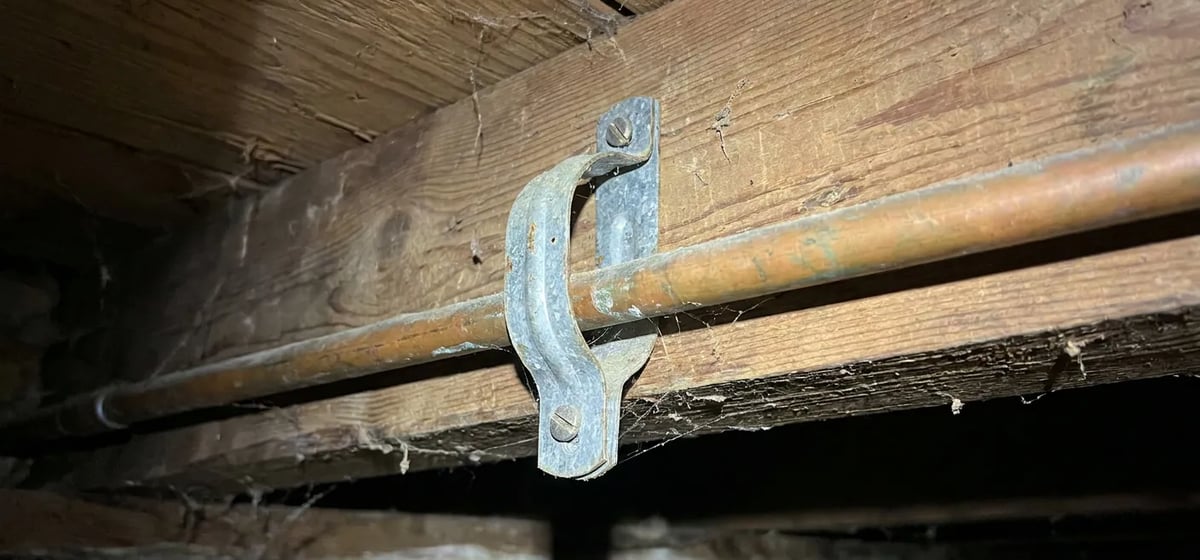
A pipe strap is a curved piece of metal or plastic that fastens a plumbing pipe to a wall or joist. You screw it right into the wood framing to hold the pipe tight. Plumbers have used metal strapping since the early days of indoor plumbing to secure heavy cast iron lines. The word strap actually comes from the Latin word stroppus. That means a leather band or thong. Today, you'll find straps made of copper, galvanized steel, or durable plastic. They wrap around the pipe and usually have one or two flat tabs with holes for screws. Some straps look like a letter U, while others look like a letter J. No matter the shape, their main job is to keep your pipes exactly where the builder put them.
Why Pipe Straps Matter for Your Home
Straps keep your plumbing quiet and safe. Water is surprisingly heavy. A pipe full of water puts a lot of stress on the joints that hold your plumbing together. Straps help support the weight of these heavy pipes so they don't sag over time. Sagging pipes can trap water, slow down your drains, or cause glued joints to break loose. If a joint breaks, you'll have a major leak hidden in your walls or ceilings.
Straps also stop loud noises. When you turn off a faucet quickly, water rushes to a stop. This creates a shockwave inside the pipe. If the pipe is loose, it bangs violently against your wood framing. This loud noise is called water hammer. A good pipe strap prevents this rattling. You can learn more about taking care of your pipes in our Plumbing guide.
Where You Will See Them
You can easily spot pipe straps in unfinished areas of your home. Look for them in these common places:
- Along the wooden ceiling joists in an unfinished basement.
- Running across the floor framing inside a dirt crawlspace.
- Holding up drain lines and supply tubes under your kitchen sink.
- Securing thick white PVC exhaust pipes near your furnace.
They keep the pipes secure against the back of the cabinet or the wall so nothing moves. You can read more about your furnace vents in our HVAC & Climate Control guide.
What to Watch For
Walk through your basement and look at your plumbing lines. Listen for loud banging noises when your washing machine stops filling. If you hear a bang, you probably have a loose or missing strap. Look for rusty metal straps. Rust means the strap is getting weak and might snap soon. You also want to check for sagging plastic pipes. Plastic pipes need more straps than metal pipes because they bend easily. A plastic pipe usually needs a strap every 3 to 4 feet. A rigid copper pipe might only need one every 6 to 8 feet.
Costs to Fix or Replace
Replacing a pipe strap is a very cheap repair if you do it yourself. A single strap costs less than a dollar at the local hardware store. A bag of 10 to 25 straps usually costs 5 to 15 dollars. Prices vary depending on your local store and the exact material you choose. Plastic straps are usually the cheapest option.
If you hire a plumber to fix banging pipes and add new straps, expect to pay a standard service call fee. This usually costs 150 to 300 dollars just to have them drive to your house and diagnose the problem. The actual straps will only add a few dollars to your final bill. If you're handy with a drill, adding a few plastic clamps is a great weekend project. You can read more about deciding when to hire help in our DIY vs. Hiring a Pro guide.