What Is a Rough In?
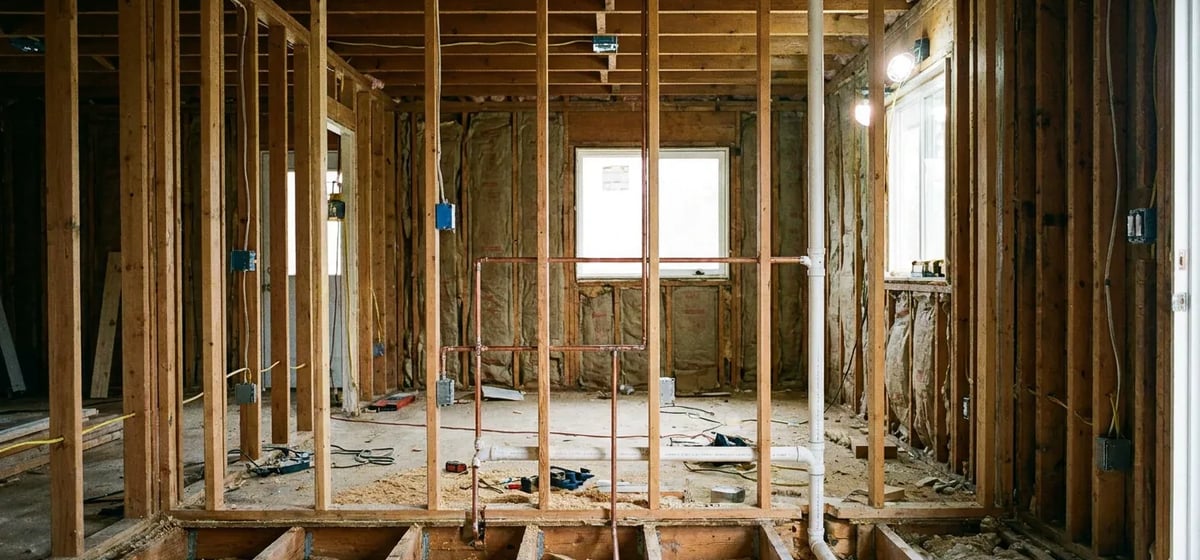
The rough in phase happens when builders install the basic lines for your home systems. They lay out the pipes, wires, and air ducts inside the wall studs or under the floor. This happens before anyone hangs drywall or puts down finished flooring. Builders started using this phrase in the early 1900s to describe work done roughly or without finishing touches. It refers to laying out the bones of a system before hiding them away.
During a rough in, you will not see the finished sinks, toilets, or light switches. You will just see the bare wires sticking out of plastic boxes and capped off pipes. This step is crucial because it sets the exact locations for all your daily fixtures. Once the walls get closed up, moving a pipe or wire becomes very messy and expensive.
Why This Phase Matters to You
If you build a new house or do a major remodel, the rough in is your last chance to make easy changes. You want to walk through the empty rooms while the walls are still completely open. You can check if the light switches sit in the right spots next to the doors. You can make sure the shower head is high enough for the tallest person in your family. You can also confirm you have enough electrical outlets placed around the kitchen counters.
This phase also triggers a major city inspection. A local building inspector must look at all the exposed work before the project moves forward. They check to make sure your contractor followed the local safety codes. The inspector looks for safe wire connections, properly glued drain pipes, and correctly sized air vents. Your builder absolutely cannot put up drywall until the inspector approves the rough in work.
Common Types of Rough Ins
Contractors usually split this heavy work into three main categories. Each skilled trade comes in to do their specific part of the job while the walls are open.
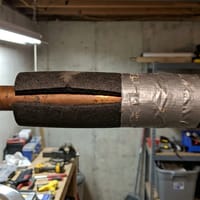
- Plumbing: Plumbers install the main water supply lines and the thick plastic drain pipes. They cap the ends so dirt and drywall dust stay out of your plumbing. You can learn more about how these pipes connect in our Plumbing guide.
- Electrical: Electricians run thick cables from the main breaker panel to every single room. They nail plastic or metal junction boxes to the wooden wall studs. They leave extra wire hanging out of the boxes for the final switches and outlets. Check our Electrical section for more details on staying safe.
- HVAC: Heating and cooling crews install the bulky metal or plastic air ducts. They cut holes in the wooden floors or ceilings for the future air vents. You can read up on how these climate systems work in our HVAC & Climate Control guide.
What to Watch For and Costs
Adding a new rough in to an existing house costs serious money. If you decide to add a bathroom in your basement, the plumber often has to break through the concrete floor to run the new drain lines. The plumbing rough in for a brand new basement bathroom usually costs 1,500 to 3,000 dollars. Keep in mind that prices vary widely based on where you live and how hard it is to reach the main sewer lines.
Electrical rough in work for a single room addition might cost 500 to 1,500 dollars. This price covers the labor to drill holes through the wooden studs and pull the new copper wire. It does not include the cost of the final fancy light fixtures or the decorative switch plates.
Always ask your contractor if their written quote includes both the rough in and the final finish work. Some quotes only cover getting the pipes to the room, leaving you to pay extra for the toilet installation later. You want to know exactly what you are paying for before the sledgehammers swing. If you change your mind about where a sink goes after the rough in is done, expect to pay a hefty change order fee to open the walls back up.