What Is a Switch Plate?
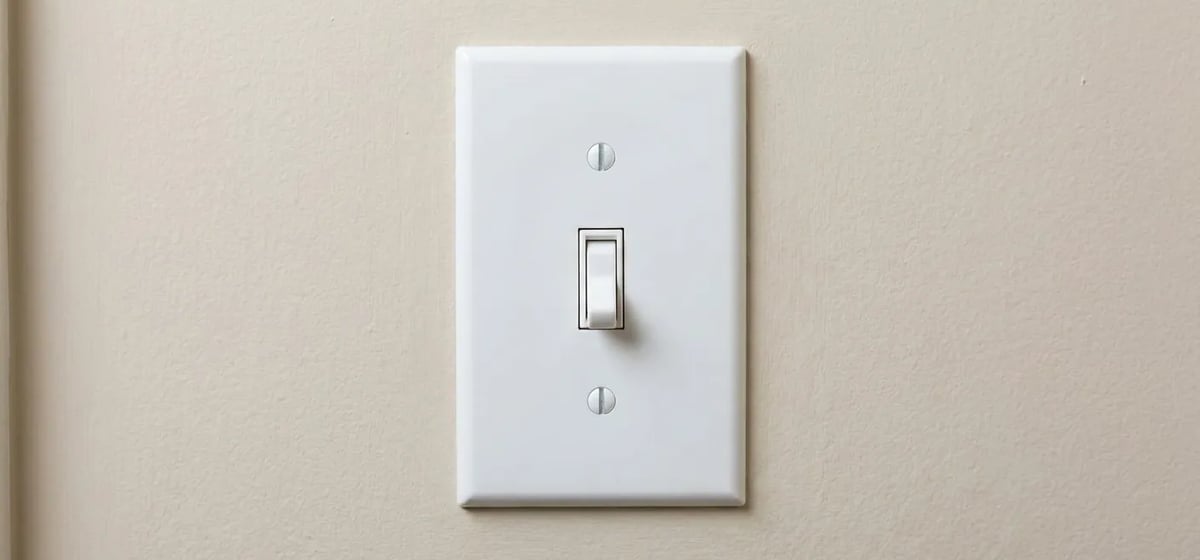
This is the flat cover that goes over a light switch on your wall. It hides the electrical wires and the hole cut into the drywall. You will easily unscrew it when you want to paint the wall or change the style of the cover. The word plate comes from the Old French word 'plate' meaning a flat piece of metal. Manufacturers began mass producing decorative covers in the early 1900s to make electrical wiring look neat in homes. Today, you will find one in almost every room of your house.
Why Switch Plates Matter
Switch plates do more than just look nice. They keep your family safe. The box behind the plate holds live wires and connections. The plate acts as a physical barrier. It stops curious kids or accidental bumps from reaching dangerous electricity.
They also protect your walls. Think about how many times you turn a light on or off every single day. Your fingers carry natural oils and dirt. Without a cover, you would constantly touch the wall. The plate takes the hit and keeps grime off your interior paint and drywall.
Finally, switch plates help with home insulation. Exterior walls often have drafts that sneak in through the holes cut for electrical boxes. A snug switch plate helps block that cold or hot air from entering your living space. You can even buy cheap foam gaskets that fit right behind the plate to seal out drafts completely.
Common Types and Sizes
You will see a few different styles when you walk down the hardware store aisle.
- Toggle plates fit the classic switches with a small lever that flips up and down.
- Rocker plates fit the modern, wide, flat switches that you push in at the top or bottom.
- Blank plates cover an electrical box that does not have a switch inside it right now.
- Combination plates mix different holes, like one toggle switch and one electrical outlet in the same cover.
Plates also come in different widths. A standard box with one switch uses a one gang plate. A box with two switches uses a two gang plate, and so on. You can also buy oversized plates. These are slightly larger than standard plates. They are perfect for hiding messy drywall cuts or old paint lines around the box.
What They Cost
Basic plastic switch plates are very cheap. They generally cost 1 to 3 dollars each. If you want to upgrade the look of a room, you might choose metal, wood, or ceramic covers. These decorative options usually cost 5 to 20 dollars each. Smart home covers with integrated nightlights or specialty finishes can cost 20 to 50 dollars. Keep in mind that prices vary based on where you shop and what brand you buy. Upgrading all the plates in your house is a cheap project you can easily do yourself instead of hiring a pro.
How to Handle Them Safely
You will handle switch plates mostly when you paint a room. Always use a flat head screwdriver to remove the plates before you start painting. Do not just put painter tape over them. Taking them off takes only a few seconds and guarantees you will not get messy paint drips on the plastic.
When you put the plates back on, do not twist the screws too hard. Most basic plates are made of hard plastic. If you tighten the screw too much, the plastic will crack right down the middle. Just turn the screw until it feels snug against the wall.
Switch plates also get dirty fast. You should clean them every few months. Never spray liquid cleaner directly onto the plate while it is on the wall. The liquid can drip behind the plastic and cause an electrical short. Read up on your home electrical basics to understand why water and switches never mix. Instead, spray a little cleaning liquid onto a soft cloth. Then, wipe the plate down with the damp cloth.