What is a tee fitting?
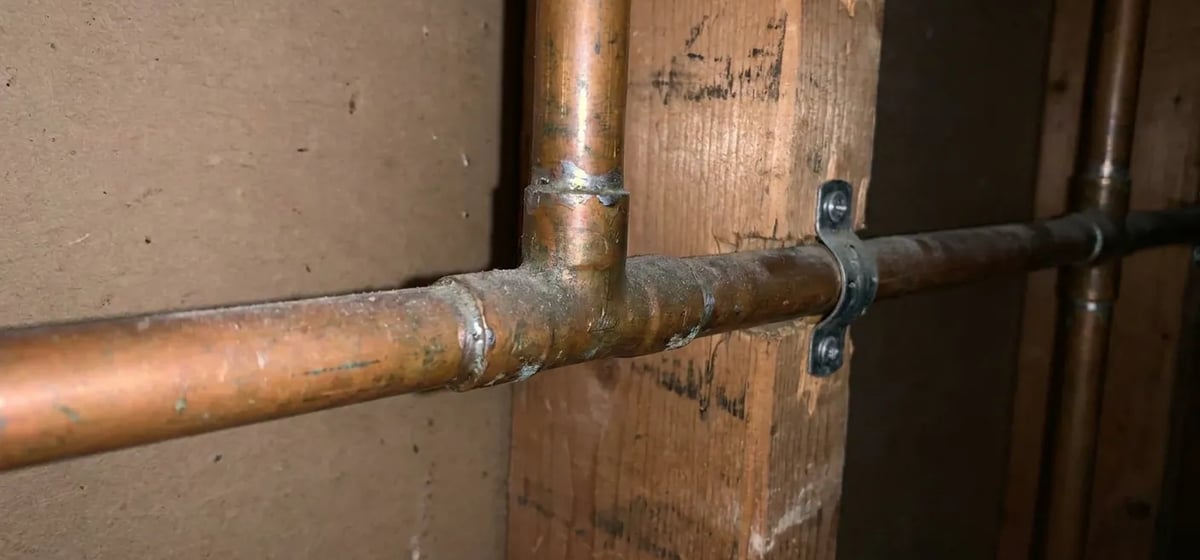
A tee fitting is a small plumbing part shaped exactly like the capital letter T. It connects three separate pipes together at a single junction. You use it when you need to split a single water line so water can travel in two different directions inside your walls. Plumbers rely on these simple parts to route water from one main supply line to multiple fixtures, like a sink and a toilet in the same bathroom. The name comes straight from the English alphabet because of the matching shape. Tradespeople began using the term in the late 1800s as indoor plumbing became standard in American homes.
You will find tee fittings made from several different materials. The material always matches the pipes in your house. Older homes usually have copper or galvanized steel fittings. Newer homes often use white PVC plastic for drains and flexible PEX tubing for water lines. No matter the material, the job of the tee fitting remains the same. It keeps your water flowing exactly where you need it to go.
Where you find them in your home
Tee fittings hide all over your house. You will rarely see them out in the open unless you look in an unfinished basement or peek under a sink. They live behind your drywall, under your floors, and above your ceilings. Every time a plumbing line branches off to serve a new room, a tee fitting sits at that intersection.
You will spot them in two main systems. First, they work in your fresh water supply lines. They push pressurized hot and cold water to your faucets, showers, and appliances. Second, they work in your drain and vent lines. In a drain system, a tee fitting gathers dirty water from two different pipes and funnels it down a single larger pipe toward the sewer. If you want to learn more about how these pipes work together, check out our guide on Plumbing basics.
Signs of trouble and what to watch for
Tee fittings are sturdy, but they can fail over time. The weak points are always the three connection joints. If a joint comes loose or the seal breaks, water will escape. You should watch out for a few common warning signs.
- Water stains showing up on your ceiling or drywall.
- A sudden drop in your home water pressure.
- Puddles forming under your kitchen or bathroom sinks.
- Green crusty buildup on your copper pipe joints.
Sometimes the problem is not a leak but a clog. Drain tee fittings create sharp turns. Hair, grease, and soap scum love to get stuck in those corners. When that happens, your sink or tub will drain very slowly.
What it costs to replace a tee fitting
The actual tee fitting is one of the cheapest parts in your home. A basic plastic or copper tee usually costs between 2 to 10 dollars at a local hardware store. However, the cost to replace one is much higher because of the labor involved. Plumbers charge for their time, their expertise, and the overall difficulty of reaching the pipe.
If the fitting sits out in the open under a sink, you might pay a plumber 150 to 300 dollars for a quick repair. If the leaking fitting hides behind a tiled shower wall, the price jumps much higher. The plumber has to cut through the wall to reach the pipe. In those tough cases, you can expect to pay 400 to 800 dollars or more. Keep in mind that ranges vary widely based on your local labor rates and the pipe material. Because a bad repair can cause severe leaks and lead to Home Emergencies, you should think carefully before trying this yourself. Read our guide on DIY vs. Hiring a Pro to decide if you have the right skills for the job.