What It Is
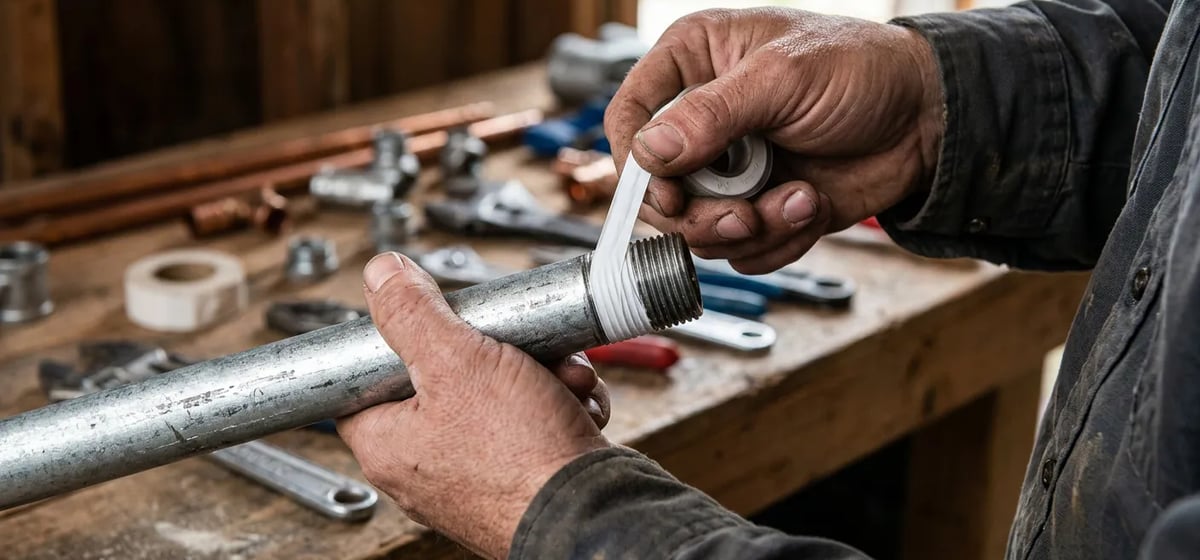
Thread seal tape is a thin, white film used to seal the grooves on metal or plastic plumbing pipes. You wrap it tightly around the threaded end of a pipe before you screw on a fitting. The tape fills the tiny gaps in the threads so water can't leak out. It is not actually sticky. It clings to the pipe because you pull it tight as you wrap.
The material is made from a chemical compound called polytetrafluoroethylene. This was discovered accidentally in 1938. Plumbers started using it in the 1950s. It was a cleaner, faster alternative to messy pipe pastes. People often call it Teflon tape, but that is just a brand name.
Why It Matters To You
If you own a home, you'll eventually need to fix a leak or replace a showerhead. Thread seal tape is the secret to making sure those new connections don't drip. When you twist two pipes together, the metal or plastic threads don't line up perfectly. Water under pressure will find those tiny paths and escape. The tape squishes into those microscopic gaps and blocks the water.
It also acts like a lubricant. It helps the two pipe pieces slide together smoothly so you can twist them on tighter. Later on, it prevents the metal threads from rusting together. This makes it much easier to unscrew the pipes if you ever need to replace them again. Even professional plumbers use this tape every single day. It is incredibly cheap insurance against water damage. A tiny drip behind a wall can rot your wood framing and grow mold over time. Keeping a roll in your toolbox is a smart move for basic Plumbing jobs. A standard roll costs about $1 to $5 at any hardware store. Prices vary based on the brand and length.
Where You Run Into It
You'll see this tape anytime you deal with threaded water pipes. It is a staple for both small fixes and major renovations. Here are the most common places you'll use or see thread seal tape:
- Installing a new showerhead in your bathroom.
- Replacing a leaky faucet under the kitchen sink.
- Connecting a water supply line to your washing machine or refrigerator.
- Adding a new garden hose bib outside your house.
- Hooking up pipes to your water heater.
You might also see a yellow version of this tape. Plumbers use the yellow tape for gas lines because it is thicker. Never use the thin white tape on a gas line. If you smell gas or have a major leak, check out our guide to Home Emergencies.
How To Use It Correctly
Applying the tape is easy, but you have to do it right. If you wrap it backward, the tape will just unravel when you screw the fitting on.
Always wrap the tape in the same direction that you'll turn the fitting. For most pipes, this means wrapping clockwise. Hold the pipe in your left hand. Start the tape at the end of the pipe and pull it tight. Wrap it around the threads 3 to 5 times. Overlap the tape a little bit with each pass.
What To Watch For
Not all pipes need thread seal tape. You should only use it on pipes that have tapered threads. These are threads that get slightly narrower at the end to create a wedge fit.
Don't use thread seal tape on pipes that rely on a rubber gasket to stop water. For example, the supply hoses under your toilet or sink usually have a rubber washer inside the nut. If you add tape to those threads, you might prevent the nut from tightening enough to compress the rubber washer. This will actually cause a leak. Compression fittings are another type of plumbing connection that don't require tape. These use a small brass ring to create a seal. Wrapping tape on a compression fitting will ruin the seal and cause water damage. If you are unsure about a complex pipe job, it is wise to read up on DIY vs. Hiring a Pro before you start twisting wrenches.