What Is a Two-Stage Furnace?
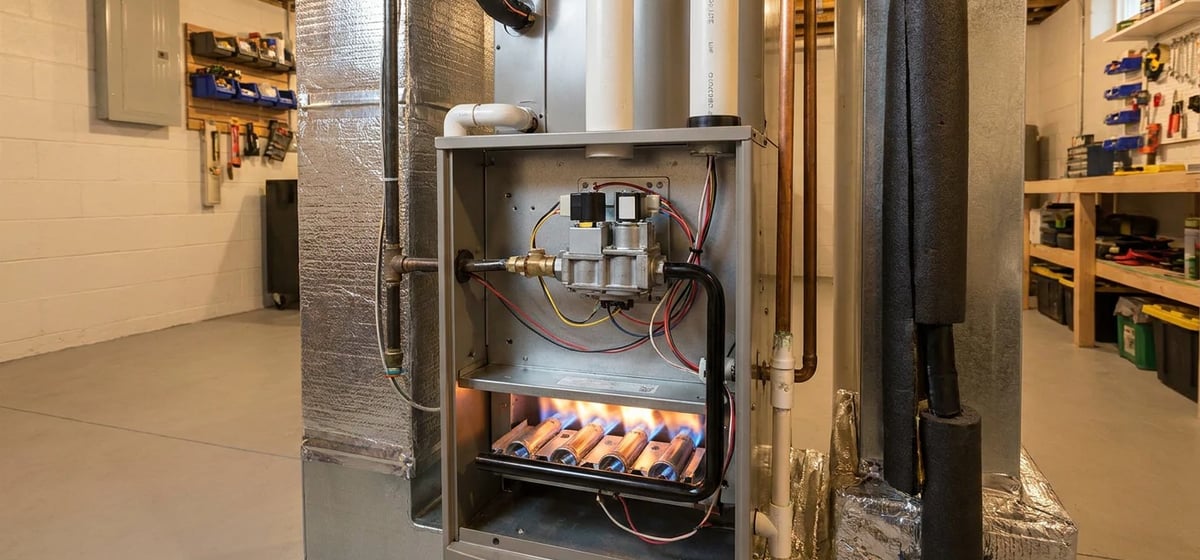
A two-stage furnace is a heating system that operates at two different speeds. Think of it like a car with two gears. Traditional single-stage furnaces only have one setting. They are either completely off or running at full blast. A two-stage furnace has a special gas valve that allows it to run on a low setting or a high setting. It also uses a blower motor that can adjust its speed to match the heat output.
Most of the time, the furnace runs on the low setting. This low stage uses about 60 to 70 percent of the furnace capacity. It is perfect for mild winter days when you just need a little heat to maintain the temperature. When the temperature drops and it gets very cold outside, the furnace automatically shifts into the high setting to keep your home warm. You can learn more about how these systems fit into your overall home climate in our HVAC & Climate Control guide.
Why It Matters to You
Upgrading to a two-stage furnace brings several big benefits to your daily life. The biggest advantage is comfort. Because the furnace runs on low most of the time, it pushes a steady, gentle stream of warm air into your rooms. Here is what you can expect from this upgrade:
- Fewer hot and cold spots across different rooms in your house.
- Lower monthly energy bills because the system runs efficiently on low.
- Quieter operation since you won't hear a loud rush of air kicking on.
- Better indoor air quality because the fan runs longer and filters more air.
The system doesn't have to constantly turn on and off to maintain the temperature. This constant cycling is what wears out older units and wastes energy. By running longer on a lower setting, the furnace experiences less wear and tear over its lifespan.
What It Costs
If you need to replace your old heating system, a two-stage furnace is a great middle ground. It costs more than a basic single-stage unit but less than a top-tier modulating furnace. In the US, a new two-stage gas furnace usually costs between $3,000 and $6,000 fully installed. Keep in mind that ranges vary based on the size of your house, the brand you choose, and labor rates in your city.
While the upfront price is higher than a basic model, the energy savings often make up the difference over a few years. When you are ready to get quotes, our guide on Hiring Contractors & What Things Cost can help you compare bids.
What to Watch For
If you buy a two-stage furnace, you must make sure the rest of your system can handle it. The most common mistake happens at the thermostat. A basic thermostat only knows how to turn a furnace on and off. To get the real benefits of your new furnace, you need a thermostat designed to control two different heat stages.
You also need to keep up with routine maintenance. A two-stage system runs for longer periods than a standard furnace. Because the fan blows air more often, your air filter will catch more dust, pet dander, and dirt. You should check your filter every single month and replace it as soon as it looks dirty. A clogged filter makes the furnace work harder and can cause it to overheat. Regular tune-ups are a great habit to start during Your First Year as a Homeowner to keep your furnace running smoothly and safely for a long time.