What is a wire staple?
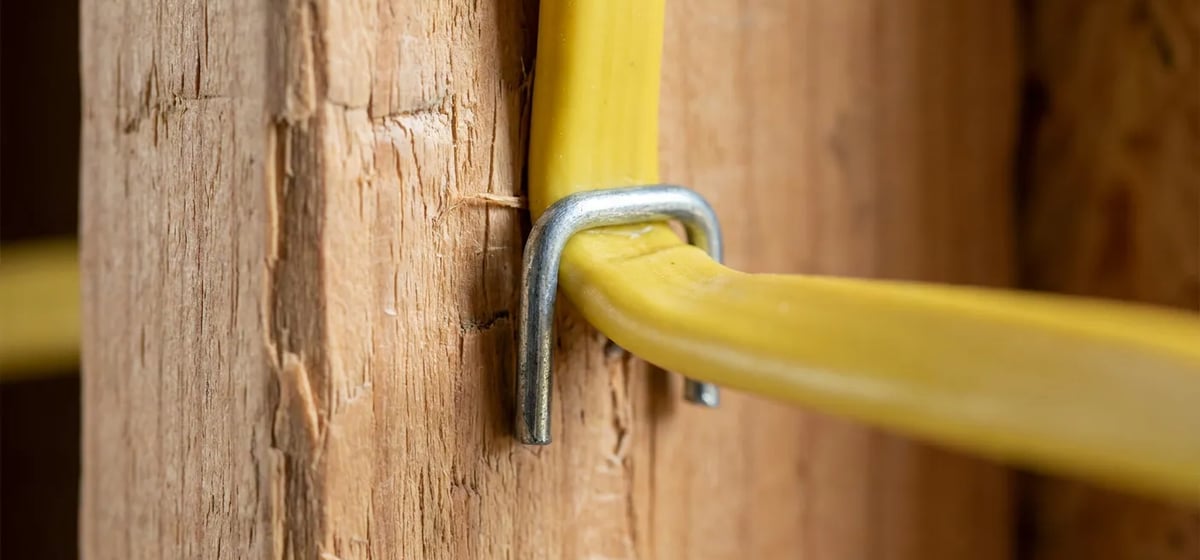
A wire staple is a small metal fastener shaped like a U. It has two sharp points. Electricians use them to attach electrical cables to the wooden framing inside your walls. You hammer them over the wires to keep everything flat against studs and joists. The word staple comes from an Old English word meaning a post or pillar. In the early 1900s, electricians started using heavy duty metal versions of paper staples to quickly secure household wiring. Today, they are a standard part of any home wiring job.
They come in a few different sizes to match the thickness of the cable. Some even have a small plastic insulator block at the top of the U shape. This plastic piece adds an extra layer of protection between the hard metal staple and the soft electrical wire.
Why they matter to your safety
These tiny pieces of metal do a huge job for your safety. They hold cables tight against the wood so they stay out of the way. This stops the wires from moving around behind your drywall. If wires hang loose in the empty wall cavity, the sharp tips of drywall screws can easily pierce them during construction or repairs. That creates a serious fire hazard.
Building codes require staples at specific distances to keep your Electrical system safe and organized. Usually, a cable needs a staple within 12 inches of a metal or plastic junction box. From there, the electrician must place another staple every 4.5 feet along the wooden stud. This keeps the entire run of wire secure from the breaker box all the way to the outlet.
Where you will find them in your home
You won't see wire staples in your finished living room or bedroom because they live hidden behind the walls. But you can easily spot them in an unfinished basement, a bare garage, or a crawlspace. Look up at the exposed wooden floor joists above your head. You will see thick plastic cables running along the wood. Every few feet, a metal wire staple pins the cable down.
If you do a remodeling project and open up a wall, you will see hundreds of them securing the lines. If you take on a DIY vs. Hiring a Pro project that involves wiring, you will need to buy a box of these fasteners. A basic box of 500 wire staples costs about 10 to 20 dollars at a local hardware store. Keep in mind that prices vary by location and store, but they are generally very cheap.
What to watch for
Wire staples are simple to use, but people often install them wrong. You should know what a bad staple job looks like. The biggest mistake is hammering the staple too hard into the wood. If a staple pinches the plastic cable jacket, it can crush the fragile copper wires inside. This causes dangerous electrical shorts, tripped breakers, and sparks.
Another common issue is stacking too many cables under one staple. Most standard staples are only rated to hold one or two flat cables at a time. If you see three or four cables crammed under a single staple, that is a code violation. You should also look out for rusty staples in damp areas like a basement or attic. Rust means moisture is getting to your wiring, which is a problem you need to fix quickly.