Carbon Monoxide Detector Beeping? What to Do Right Now
Hearing a carbon monoxide detector beeping can cause instant panic. Learn how to tell the difference between a life-threatening emergency alarm and a simple low-battery chirp, and exactly what to do next.
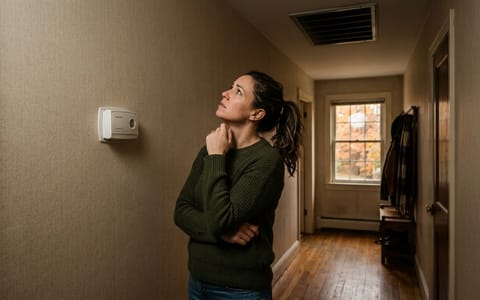
Hearing your carbon monoxide detector beeping suddenly is terrifying. Your first instinct is likely panic, but the most important thing you can do right now is stay calm and assess the sound. Carbon monoxide is entirely odorless, colorless, and tasteless, making your detector the only line of defense between your family and a serious health hazard.
Because you cannot see or smell this gas, you have to trust the device. However, not every noise coming from your ceiling or wall means you are in immediate danger. Detectors communicate different issues through specific beep patterns. Your immediate priority is determining whether the device is warning you of a lethal gas buildup or simply asking for a fresh set of batteries.
Is Your Carbon Monoxide Detector Emitting an Emergency Alarm or a Low Battery Chirp?
Before you do anything else, listen closely to the cadence of the noise. The industry standard for these devices dictates two very distinct sounds for emergencies versus routine maintenance, often emitting at least 85 decibels for an emergency alarm.
If you hear four fast beeps, followed by a short pause, and then four fast beeps again, this is a full emergency alarm. The unit has detected dangerous levels of carbon monoxide in the air.
If you hear a single, short chirp every 30 to 60 seconds, this is a maintenance alert. It means the battery is running low, the unit has reached the end of its operational lifespan, or there is a sensor error.
Four fast beeps mean get out immediately. One slow chirp means change the battery.
What to Do Right Now if Your Carbon Monoxide Alarm Goes Off
If you hear the four-beep emergency pattern, you must treat it as a life-threatening situation. Do not waste time trying to find the source of the leak or gathering belongings.
- Evacuate immediately. Get all humans and pets outside to fresh air right now.
- Leave doors open. If it takes zero extra seconds, leave the front door wide open on your way out to start venting the house.
- Call 911. Dial emergency services from outside your home, never from inside.
- Do not re-enter. Wait for the fire department to clear the house using their professional metering equipment.
While you wait outside, check yourself and your family members for symptoms of carbon monoxide poisoning. The most common early signs include dull headaches, weakness, dizziness, nausea, vomiting, shortness of breath, and confusion.
Common Sources of Carbon Monoxide in the Home
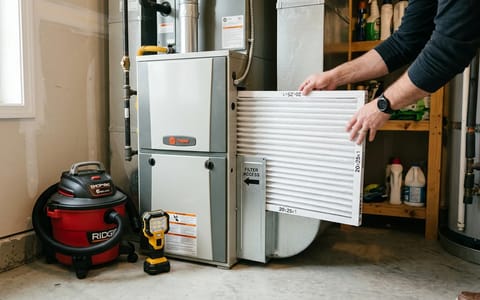
If the fire department confirms a leak, you will need to identify and fix the source before safely reoccupying the house. Carbon monoxide is the byproduct of incomplete combustion. Any appliance that burns fuel—gas, wood, oil, or coal—can produce it.
According to the Environmental Protection Agency (EPA), common culprits include malfunctioning gas furnaces, blocked chimney flues, improperly vented gas water heaters, and gas stoves. Even a car left idling in an attached garage can quickly fill a home with lethal gas.
Never use portable generators, charcoal grills, or camp stoves indoors or inside a garage. These devices produce massive amounts of carbon monoxide and lack the venting required for safe residential use.
Troubleshooting the Single Maintenance Chirp
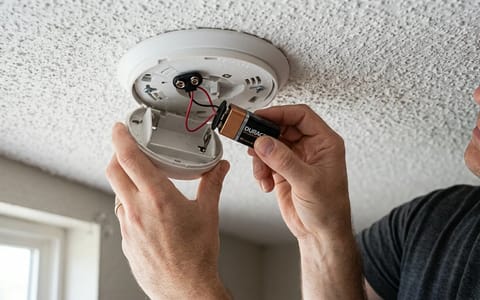
If your detector is emitting a single chirp every minute, you are not in immediate danger. This is simply the device telling it needs attention. The most common fix is replacing batteries in the carbon monoxide detector.
Twist the unit off its mounting bracket or open the front-facing battery door. Most standard units take either a 9-volt battery or two to three AA batteries. Always use high-quality alkaline or lithium batteries, as cheap heavy-duty batteries will drain quickly and cause the chirping to return in just a few months.
While you have the unit down, grab a vacuum cleaner with a brush attachment. Gently vacuum the front vents of the detector. Dust and pet hair can accumulate inside the sensor chamber, occasionally triggering false chirps or interfering with the unit's ability to detect gas.
How to Reset a Carbon Monoxide Alarm
After you put in fresh batteries, the device might continue to chirp for a few minutes. This happens because the internal memory still registers the low-voltage state. You need to perform a manual reset.
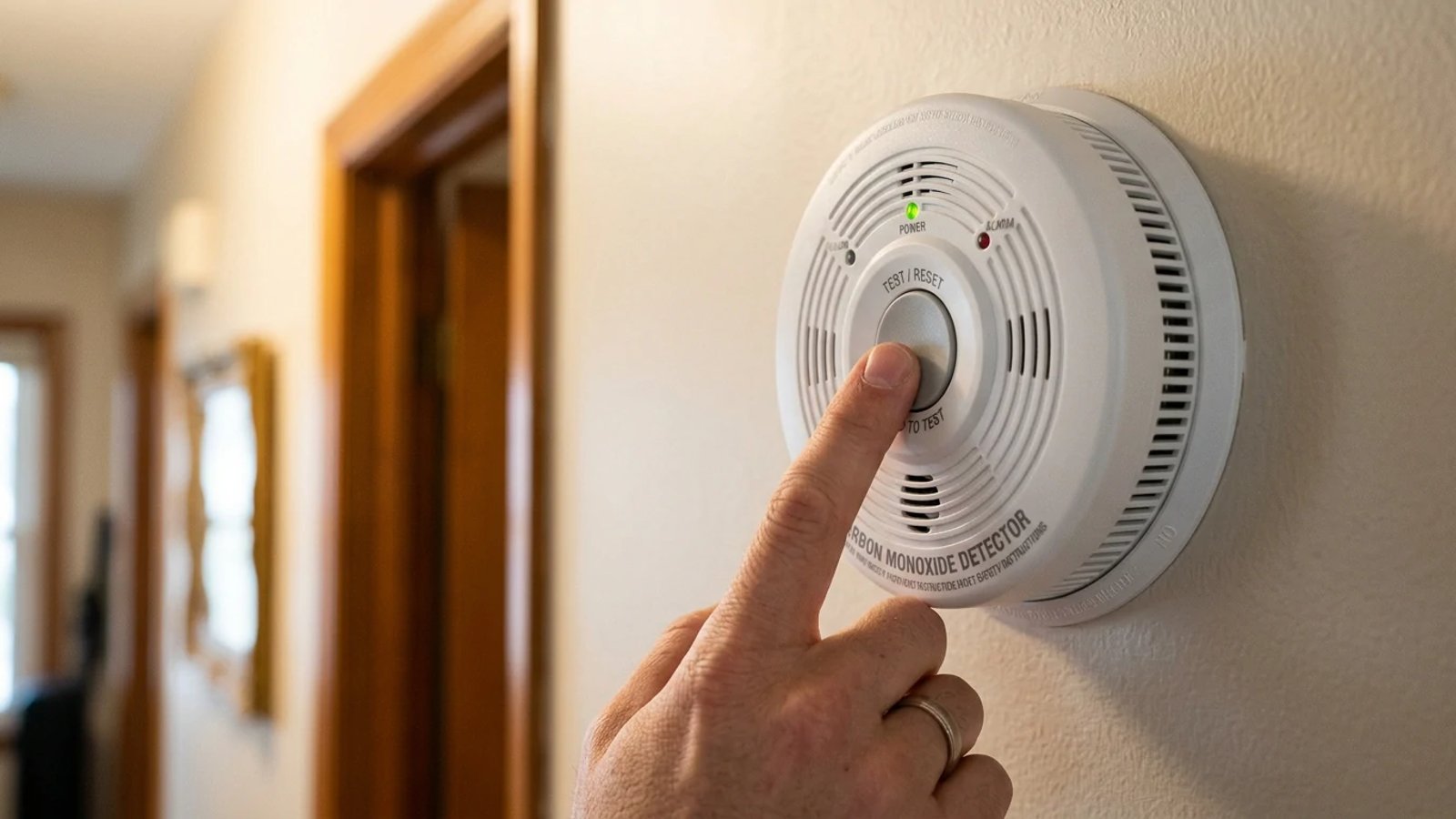
Locate the "Test/Reset" button on the front face of the alarm. Press and hold this button firmly for five to ten seconds. You should hear a loud confirmation beep, and the green power light should return to a steady or slow-flashing state. I noticed this firsthand last winter when a detector in my hallway started chirping at 2 AM. I swapped the AA batteries, but it kept stubbornly chirping until I held that reset button for a full ten seconds to clear the residual memory.
How Often Do Carbon Monoxide Detectors Expire?
If you replaced the batteries, vacuumed the sensor, and reset the device, but it is still chirping, your detector has likely expired. Carbon monoxide sensors do not last forever; the chemical components inside them degrade over time.
Most detectors expire five to seven years after their manufacturing date, though some newer sealed-battery models last for ten years. When they reach the end of their life, they are programmed to chirp continuously to force you to replace them. Take the unit off the wall and look at the sticker on the back. You will find a "Date of Manufacture." If that date is more than seven years ago, throw the unit away and buy a new one.
Testing Your Carbon Monoxide Detectors
Once you have resolved the beeping—whether by swapping batteries or installing a brand-new unit—you need to verify the system is fully operational. Testing your detectors is a simple maintenance task that takes less than a minute per floor.
You should test your alarms once a month. Press the "Test" button until the unit sounds. It should emit the standard four-beep pattern loudly and clearly. If the sound is muffled, weak, or fails to trigger entirely, the unit is defective and must be replaced immediately. Regular testing not only ensures the electronics are working but also helps familiarize your family with the specific sound of the alarm so there is no confusion during a real emergency.
Choosing a Replacement Carbon Monoxide Detector
If your troubleshooting reveals that the unit is expired or completely broken, you will need to purchase a replacement. The hardware store shelves are packed with options ranging from $20 to over $100, which can be overwhelming.
Basic battery-operated units are the most affordable and easiest to install, requiring just two screws in drywall. Plug-in models with battery backups are excellent for hallways and living rooms, as they utilize your home's electrical power while keeping a battery in reserve for power outages.
If your budget allows, consider upgrading to a model with a digital display. These screens show the exact parts per million (PPM) of carbon monoxide in the room. This feature is incredibly valuable because it allows you to spot a slow, low-level leak—like a cracked furnace heat exchanger—long before the concentration gets high enough to trigger the full emergency alarm.
Proper Placement for Maximum Safety
When you purchase replacement units, make sure they are installed in the right locations. A detector placed in the wrong spot can trigger false alarms or, worse, fail to alert you in time.
The National Fire Protection Association (NFPA) outlines specific guidelines for carbon monoxide detector placement. You need at least one alarm on every level of your home, including the basement. More importantly, they must be installed outside every separate sleeping area, ideally within 10 feet of bedroom doors, so the alarm is loud enough to wake you up.
Keep detectors at least 15 feet away from fuel-burning appliances like furnaces and gas ovens to prevent false alarms from tiny, normal bursts of gas upon startup. Also, avoid installing them in humid areas like bathrooms or directly next to open windows where drafts can blow the gas away from the sensor.
A beeping carbon monoxide detector is annoying, but it is doing exactly what it was designed to do. Whether it is alerting you to an immediate evacuation or just asking for a $5 battery, address the noise immediately. A functioning detector is one of the cheapest and most effective life-saving tools you can have in your house.
- Never ignore a beeping carbon monoxide detector; treat four fast beeps as an immediate life-safety emergency.
- Swap the batteries and hold the reset button for 10 seconds to clear a persistent maintenance chirp.
- Check the manufacture date on the back of the unit—if it is older than seven years, throw it away.
- Upgrade to a unit with a digital display to catch slow, low-level gas leaks before they trigger an alarm.