Crawl Space Vents in Summer: Why Closed Usually Wins
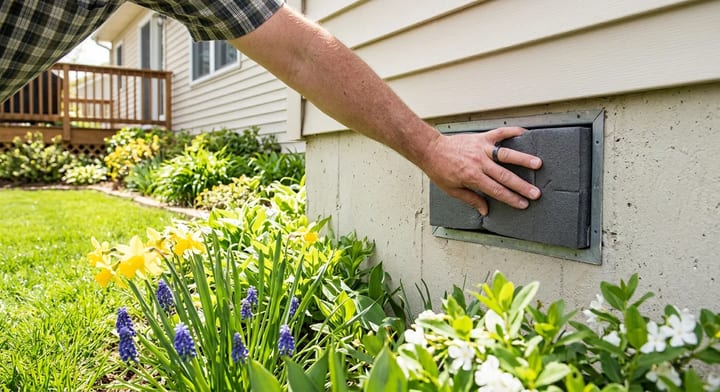
Wondering what to do with your foundation vents as the weather warms up? Discover why modern building science says keeping them closed is the best way to prevent mold, rot, and moisture damage.
We explain how to read foundation cracks, keep water away from your home, and fix structural issues before they become expensive disasters.
Read the full Foundation & Basement guide →
Wondering what to do with your foundation vents as the weather warms up? Discover why modern building science says keeping them closed is the best way to prevent mold, rot, and moisture damage.
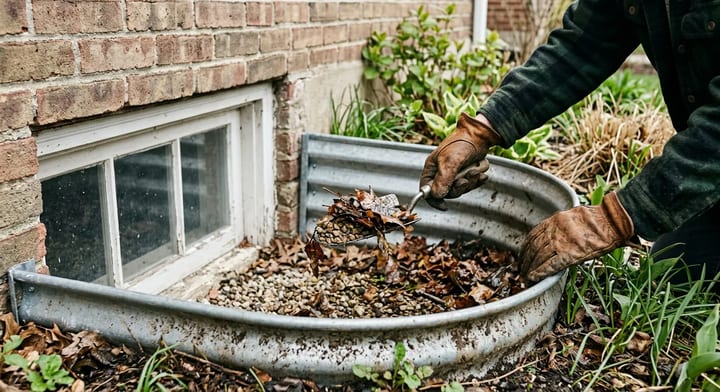
Don't let heavy rains turn your basement window wells into aquariums. Learn how to clear debris, restore gravel drainage, and install protective covers to keep your foundation dry.
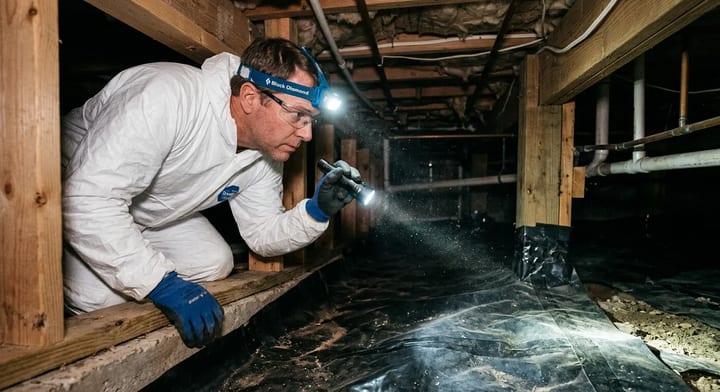
Spring rainstorms often trap hidden water under your house. Learn how to safely inspect your crawl space for moisture before summer heat turns it into a mold problem.
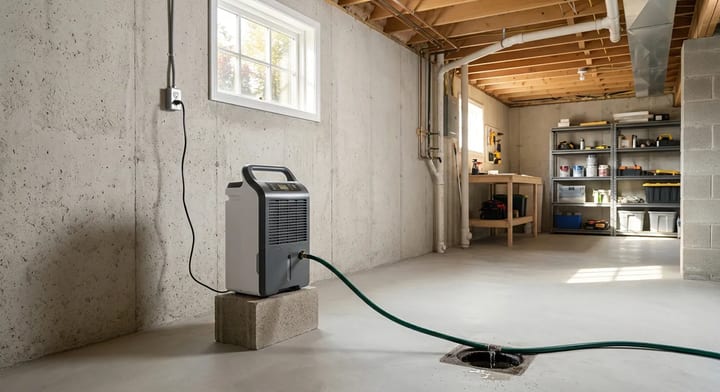
As spring rains transition into sticky summer heat, cool basements often begin to 'sweat.' Learn how to diagnose moisture sources, properly size a dehumidifier, and stop condensation before mold takes hold.
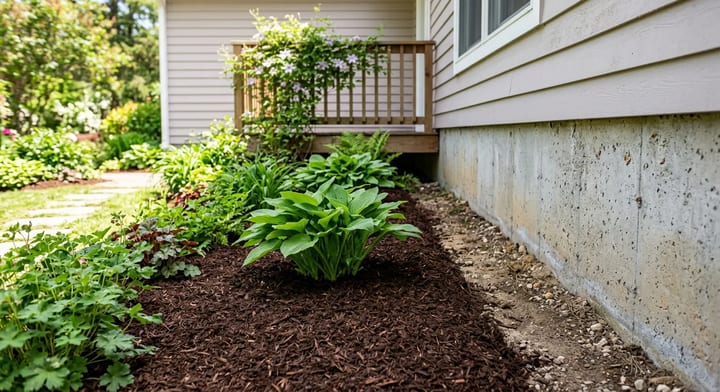
Spreading fresh mulch is a classic spring chore, but piling it against your siding can cause expensive rot and invite termites. Learn how to grade your soil and mulch safely.
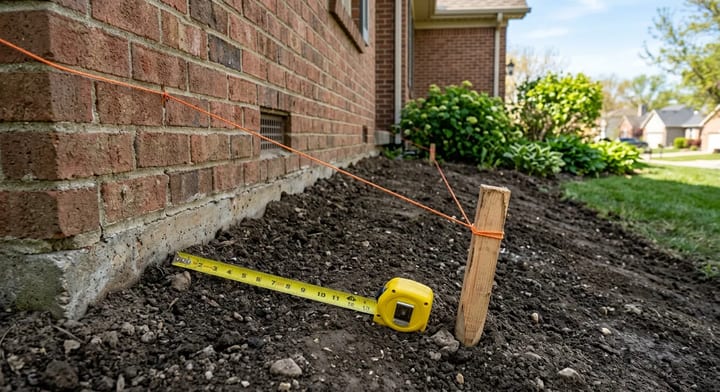
Fixing negative soil grading is one of the cheapest and most effective ways to stop basement leaks. Learn how to properly slope the dirt around your foundation in one weekend.
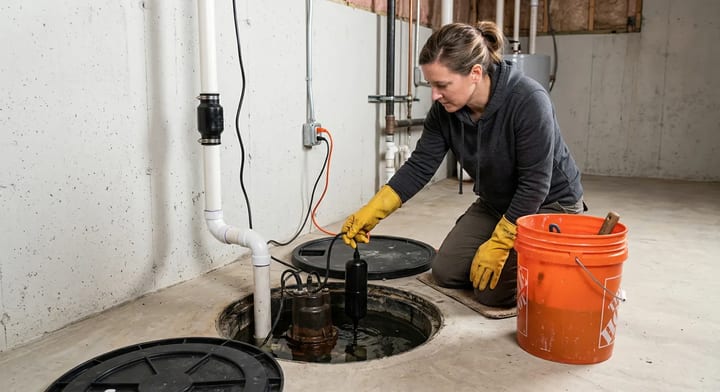
Spring showers are great for the garden, but they can quickly flood a basement if your system fails. Prevent costly water damage by walking through this simple, 10-minute sump pump test.