How to Get Rid of Stink Bugs (Without Making Them Stink)
Stink bugs are invading homes this fall to seek warmth. Learn how to trap and remove them safely without triggering their foul odor, plus essential tips to seal them out.
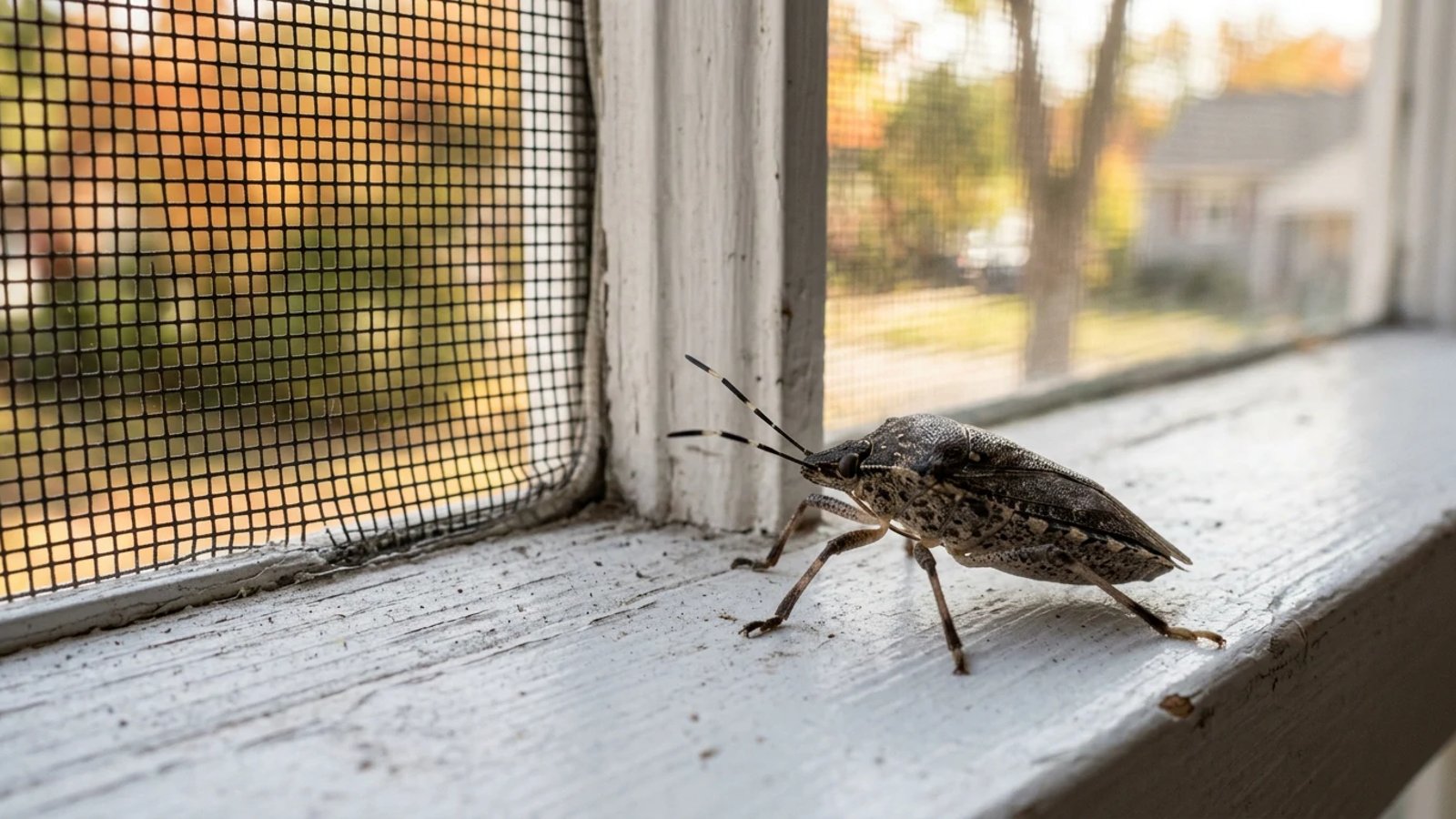
Full guide Pest Control Learn how to stop ants, mice, termites, and wasps from invading your home and know when to hire a pro.It happens every late fall. The temperatures drop, the leaves turn, and suddenly you notice prehistoric-looking, shield-shaped insects clinging to your window screens, curtains, and sunny exterior walls. The immediate reaction for most of us is to grab a tissue and squash the intruder. But as anyone who has done this knows, that mistake triggers their namesake foul odor—a pungent smell that lingers in the air and on your hands.
If you are frantically searching for how to get rid of stink bugs right now, you need an immediate, smell-free eviction method. These insects are a massive nuisance, but removing them safely is entirely possible with a few household items.
Why Are There Stink Bugs in My House?
To defeat the enemy, you have to understand what they want. Stink bugs are not trying to eat your food or lay eggs in your walls. They are simply cold, seeking indoor temperatures typically above 50°F (10°C) to survive the winter.
As autumn sets in, the Brown Marmorated Stink Bug (BMSB) begins a natural migration. According to the EPA guidelines on the Brown Marmorated Stink Bug, these insects seek out warm, protected structures to overwinter. In the wild, they would hide under tree bark or in rocky crevices. In a residential neighborhood, your heated house is the most attractive target available.
They squeeze through incredibly small gaps—often as narrow as 1/8 of an inch—around window frames, door sweeps, and utility pipes. Once inside, they enter a state of hibernation called diapause. On sunny days, the warmth of your heating system or the sun hitting a window wakes them up, which is why you suddenly find them crawling slowly across your living room wall in November.
How to Get Rid of Stink Bugs (Without the Smell)
Because crushing them releases a chemical defense mechanism that smells like a mix of skunk and rotting cilantro, physical destruction is out of the question. Here are the two most effective ways to remove them safely.
Method 1: The Soapy Water & Desk Lamp Trap
This is the most effective passive method for clearing a room. Stink bugs are strongly attracted to light, and soap breaks the surface tension of water, causing them to sink and drown instantly before they can release their odor.
Last November, I tested the soapy water trap in my own guest bedroom after finding a dozen of these prehistoric-looking shields clinging to the curtains. Within 48 hours, the pan had caught every single one of them.
- Find a shallow container. An aluminum roasting pan, a wide Tupperware container, or a glass baking dish works perfectly.
- Fill it with soapy water. Add about an inch of water and squirt in a generous amount of liquid dish soap (Dawn works exceptionally well). Stir it gently so you do not create too many bubbles.
- Position a light source. Place the pan on a desk or the floor in the infested room. Position an LED desk lamp so the light shines directly down onto the surface of the soapy water.
- Turn off all other lights. Close the blinds and turn off the overhead lights. Leave the trap running overnight.
- Dispose of the bugs. In the morning, flush the drowned bugs down the toilet and refresh the trap if necessary.
Method 2: The Shop-Vac Eviction
If you have a large cluster of stink bugs gathered on a high ceiling or a window frame, waiting for them to find a light trap might take too long. Vacuuming is the fastest removal method, but there is a major catch.
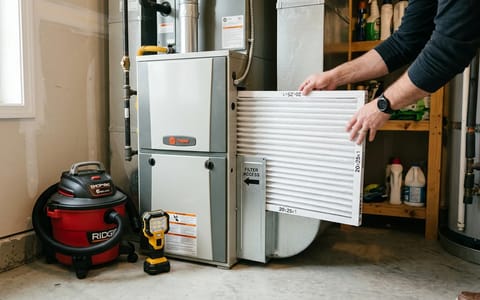
Instead, use a wet/dry shop vacuum. Here is how to do it without stinking up your garage:
- Prep the vacuum canister. Remove the dry paper filter from your shop-vac. Pour about two inches of water into the bottom of the empty plastic canister, along with a heavy squirt of dish soap.
- Suck up the bugs. Use the hose extension to vacuum the bugs off your walls and windows. The force of the vacuum pulls them directly into the soapy water pool at the bottom, drowning them instantly.
- Dump the water immediately. Take the canister outside or to a toilet and dump the soapy, bug-filled water. Rinse the canister with clean water.
The secret to fighting stink bugs isn't a stronger pesticide; it's a tighter house.
Fall Maintenance: Keeping Stink Bugs Out
Getting rid of the bugs currently inside your house is only half the battle. If you do not seal their entry points, a new batch will simply move in tomorrow. Stink bug prevention goes hand-in-hand with winterizing your home for energy efficiency.
Take a walk around your home's exterior on a sunny afternoon and inspect the following areas:
Check Window and Door Screens
Inspect all window screens for tears. A stink bug can easily fit through a tear the size of a pencil eraser. You can pick up a roll of fiberglass screen repair tape at Home Depot for about $5. Just cut a small patch and press it over the hole. For larger rips, use a spline roller to replace the entire screen mesh, which usually takes about 15 minutes per window.
Seal Utility Gaps
Look at the spots where your air conditioning lines, plumbing pipes, and electrical conduits enter the house. Contractors often drill a hole slightly larger than the pipe, leaving a gap. Clean the area with a rag and fill any gap wider than 1/8-inch with exterior-grade 100% silicone caulk. For gaps larger than half an inch, stuff a piece of foam backer rod into the hole first, then caulk over it.
Inspect Weatherstripping
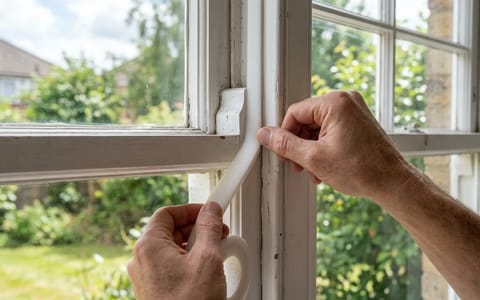
Close your exterior doors and look at the edges from the inside during daylight hours. If you can see sunlight peeking through the sides or bottom, stink bugs can get in. Replace worn adhesive weatherstripping around the door frames, and adjust or replace the rubber door sweep at the bottom threshold.
When to Call a Professional Exterminator
Most stink bug problems can be handled with a shop-vac, a desk lamp, and a tube of caulk. Because these bugs do not reproduce indoors or cause structural damage, they are largely a DIY-friendly issue.
Do not bother with indoor bug bombs or foggers. These products are largely ineffective against stink bugs hidden deep inside wall voids, and they unnecessarily expose your family and pets to harsh chemicals.
By focusing on sealing your home's exterior and using simple, odor-free traps for the stragglers that make it inside, you can reclaim your space and enjoy the fall season without the unwanted, foul-smelling houseguests.
- Create a highly effective overnight trap using a desk lamp, a shallow pan, and dish soap.
- Use a wet/dry shop-vac with an inch of soapy water in the canister for manual removal.
- Seal any exterior gap wider than 1/8-inch with 100% silicone caulk before winter hits.