Raccoon in Attic? How to Safely Evict Them (And Keep Them Out)
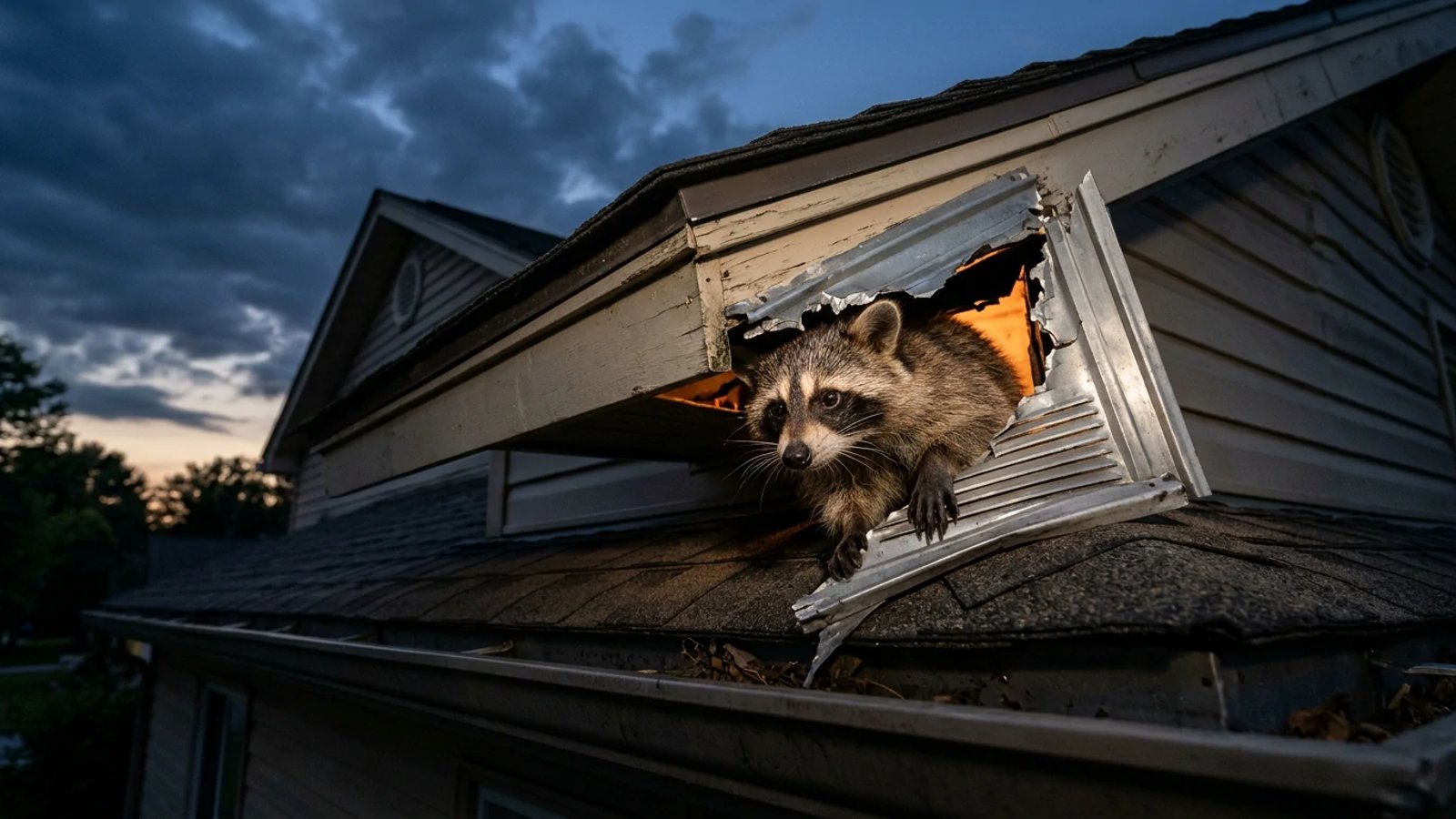
Hearing heavy thumping above your ceiling? You might have a raccoon in the attic. Learn how to safely and legally evict them without trapping babies inside.
Full guide Pest Control Learn how to stop ants, mice, termites, and wasps from invading your home and know when to hire a pro.You are lying in bed when you hear it: a heavy, deliberate thumping right above your ceiling. This could be the tell-tale sign of a raccoon in attic. It does not sound like the light, rapid scurrying of a mouse. It sounds like a grown man crawling through your insulation. If you are hearing this heavy movement, accompanied by low chattering or scratching, you likely have a raccoon in attic.
Finding a wild animal living above your living room is stressful. Your first instinct is probably to grab a ladder, find the hole they chewed through the soffit, and nail a board over it. Doing that is the absolute worst step you can take. If you trap an adult raccoon inside, it will tear your roof apart trying to escape. If you trap babies inside, you are setting yourself up for a horrific smell and a massive pest infestation.
Evicting a raccoon requires patience, the right materials, and strict adherence to safety protocols. Here is the step-by-step process for getting them out and keeping them out for good.
How Do You Know It Is a Raccoon in Your Attic?
Before you buy any eviction supplies, you need to confirm what is actually living up there. Different pests require entirely different removal strategies.
Mice and rats make light scratching and squeaking noises, mostly at night. Squirrels are highly active during the day, especially at dawn and dusk, and their movements sound frantic and fast. Raccoons are nocturnal. They are heavy—often weighing between 15 and 40 pounds—so their footsteps sound like heavy thuds. You might also hear them vocalizing, which sounds like low growls, purrs, or high-pitched chattering if babies are present.
If you poke your head into the attic with a flashlight, look for the damage. Raccoons are incredibly strong. They will shred heating ducts, tear fiberglass insulation into large nesting piles, often 2-3 feet in diameter, and leave behind large, dog-like droppings in a specific "latrine" area.
The Danger of Trapping Them Inside
The most common mistake homeowners make is finding the entry point and immediately sealing it shut. Last November, I inspected a roof where a homeowner had prematurely screwed plywood over a broken gable vent. The mother raccoon was out foraging when he sealed it, leaving her kits inside. She literally ripped the asphalt shingles and roof decking apart to get back to her babies. It turned a $50 vent repair into a $1,200 roofing job.
If you seal the hole while a raccoon is inside, one of two things will happen. An adult will cause thousands of dollars in structural damage trying to claw its way out. If babies are trapped inside without their mother, they will die, leading to an unbearable odor that will seep into your drywall and require professional biohazard cleanup.
How to Evict a Raccoon in Attic Safely
Because raccoons are classified as a rabies-vector species, many states have strict laws regarding how you can handle them. In most areas, it is illegal for an unlicensed homeowner to trap a raccoon in a cage and relocate it to a park or wooded area. Relocated raccoons rarely survive in new territories, and moving them spreads diseases.
The safest, most effective, and legal method is exclusion. This involves installing a device that lets the animal leave the house but prevents it from coming back in.
If you are certain you are dealing with a single adult or mobile juveniles, in my experience, here is how to proceed safely:
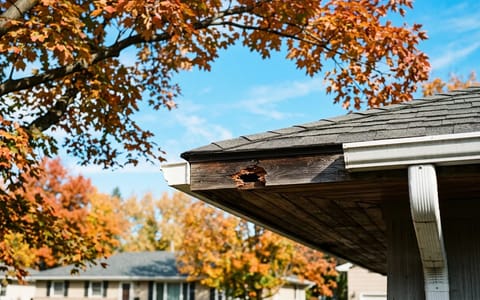
- Locate the exact entry point. Look along your roofline for bent aluminum soffits, torn gable vents, or smashed roof returns.
- Inspect the hole for smudge marks. The oils and dirt from a raccoon's fur will leave dark, greasy stains around the edges of their primary doorway.
- Install a one-way exclusion door. Mount a heavy-duty steel exclusion door directly over the entry hole using thick screws, ensuring the animal can push its way out but the door snaps shut behind it.
- Seal all other vulnerable spots. While the door is in place, reinforce any other weak vents or loose soffits on the roof so the raccoon doesn't just chew a new hole three feet away.
- Wait at least three to five days. Leave the exclusion door in place for several nights to guarantee the raccoon has left to forage and cannot return.
- Remove the door and permanently seal the hole. Once you are 100% sure the attic is empty, take down the exclusion device and patch the area with galvanized hardware cloth and exterior-grade materials.
An exclusion door does the heavy lifting for you—it uses the raccoon's natural foraging habits to safely evict them without you ever having to handle a wild animal.
Cleaning Up the Attic (Safety First)
Once the raccoon is gone, you are left with the mess. Raccoon feces are highly dangerous. They frequently carry the eggs of Baylisascaris procyonis, a type of raccoon roundworm. If these microscopic eggs become airborne and are inhaled or ingested, they can cause severe neurological damage in humans and pets.
You can read the specific safety guidelines for raccoon roundworm on the CDC's parasitic disease website, but the core rule is this: never sweep or vacuum dry raccoon droppings.
If you choose to clean a small latrine area yourself, you must wear a P100 respirator mask, disposable gloves, and a Tyvek suit. Lightly mist the droppings with a spray bottle filled with water to prevent dust from kicking up. Pick up the droppings with an inverted plastic bag or a dedicated shovel, seal them in heavy-duty garbage bags, and dispose of them according to local sanitation rules. Any insulation that has been soiled with urine or feces must be completely removed and replaced.
How to Keep Raccoons Out Permanently
Raccoons have incredible dexterity and grip strength. They can easily pry off standard aluminum bug screens, chew through plastic vent covers, and pull down vinyl soffit panels. To keep them out, you have to upgrade your home's armor.
Cut the hardware cloth to size using heavy-duty tin snips. Place it over your gable vents, behind your soffit vents, and over any roof fans. Secure it using 1-inch exterior wood screws and washers. Do not use a staple gun; a determined raccoon can pull staples right out of the wood.
Next, look at how the raccoon got onto your roof in the first place. Raccoons are excellent climbers, but they usually rely on nearby trees. Trim all tree branches back so they are at least 8 to 10 feet away from your roofline. If they are climbing up a downspout, you can install a physical barrier, like a metal pest guard, around the pipe.
Dealing with a raccoon in the attic is a major hassle, but handling it methodically prevents the situation from spiraling into a costly disaster. By focusing on exclusion rather than trapping, and upgrading your roof's defenses with heavy-duty steel mesh, you can reclaim your home and sleep soundly without the midnight thumping overhead.
- Trapping a raccoon is often illegal without a license; exclusion is the safest DIY method.
- Raccoon droppings carry dangerous parasites and require a P100 respirator for safe cleanup.
- Standard aluminum window screens won't stop a raccoon—you need heavy-duty hardware cloth.
- Trimming tree branches 8 to 10 feet away from your roofline removes their primary access bridge.