How to Get Squirrels Out of Attic (And Keep Them Out)
Hearing scratching in your ceiling? Learn how to safely and legally remove squirrels from your attic using one-way exclusion doors, and keep them out for good.
Full guide Pest Control Learn how to stop ants, mice, termites, and wasps from invading your home and know when to hire a pro.Hearing frantic scratching and scurrying above your ceiling is a fast way to ruin a quiet evening at home. When the temperature drops in the fall, your attic looks like a five-star luxury resort to local wildlife. It is dry, warm, and safe from predators. If you are dealing with uninvited guests, figuring out exactly how to get squirrels out of attic spaces safely and legally is your top priority before they chew through your wiring or destroy your insulation.
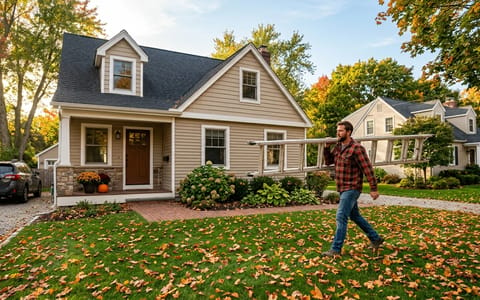
A few years ago, I spent three days trying to figure out how a family of gray squirrels was bypassing a patched soffit on my own roof. I eventually climbed up a ladder with a flashlight and found a tiny, hidden gap behind the gutter line covered in greasy smudge marks from their fur. Once I understood how they were getting in, fixing the problem was straightforward.
This guide walks you through the exact steps to identify the problem, evict the animals humanely, and seal your house so they never come back.
Are You Sure It's Squirrels?
Before you buy materials or climb onto your roof, you need to confirm what kind of animal is actually up there. Different pests require entirely different removal strategies.
The easiest way to identify your intruder is by checking the clock. Squirrels are diurnal, meaning they are active during the day. You will typically hear them leaving the attic at sunrise to forage for food, and returning just before sunset. Their movements often sound like rapid scratching, similar to fingernails tapping quickly on wood, usually in bursts of 5-10 seconds. You might also hear them rolling nuts or acorns across the drywall ceiling, which sounds exactly like marbles rolling across a hard floor.
If the noises happen at 2:00 a.m., you are likely dealing with mice, rats, or raccoons, which are nocturnal. Mice make light, fast scratching sounds, while raccoons sound like a heavy person walking heavily in boots. If you hear daytime activity, you can confidently proceed with squirrel removal tactics.
Check the Calendar: Are There Babies Inside?
Timing is everything when dealing with wildlife. Eastern gray squirrels typically have two litters a year: one in early spring (February through April) and another in late summer to early fall (August through September). If you seal the entry points while baby squirrels are still in the nest, you will trap them inside.
Trapping babies inside is a disaster. The mother squirrel will cause massive damage to your siding, shingles, and roof decking trying to chew her way back in to reach them. If she fails, the young will die in your attic, creating a terrible odor and attracting flies.
To check for a nest, put on an N95 mask and thick gloves, and pop your head into the attic with a bright flashlight. Look for large piles of leaves, torn insulation, and twigs tucked into the corners or near the eaves. If you see a nest, listen closely for high-pitched chirping sounds.
How to Get Squirrels Out of Attic Spaces Using Exclusion Doors
In my experience, the absolute best method for removing squirrels is not a trap—it is a one-way exclusion door. These simple wire funnels or spring-loaded doors mount directly over the entry hole. When the squirrel leaves to find food, it pushes through the door. When it turns around to come back inside, the door will not open.
Here is the exact process for installing one:
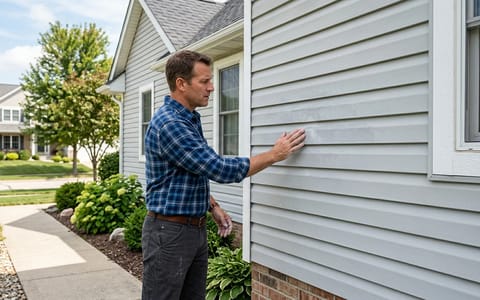
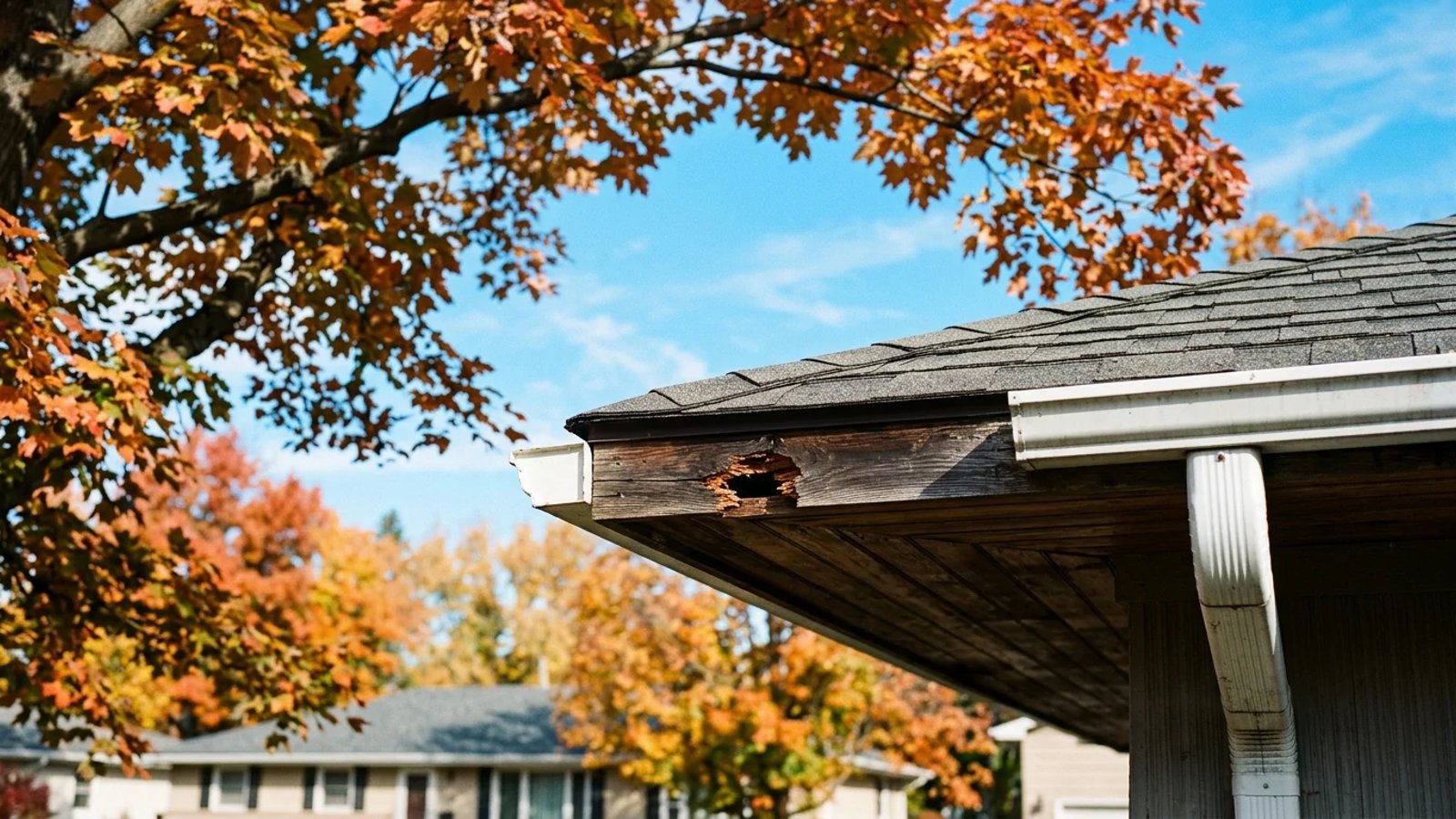
- Locate all entry points. Inspect your roofline, soffits, fascia boards, and gable vents. Look for chewed wood, missing vent screens, and dark, greasy rub marks left by the oils in the animals' fur.
- Seal all secondary holes. If you find multiple holes, leave the main, most active hole open. Seal all the others permanently using the materials described in the next section so the squirrels cannot find a back door.
- Mount the one-way door. Place the exclusion door directly over the main entry hole. Secure it tightly to the surrounding wood using 1-inch exterior-grade screws. Make sure there are no gaps around the edges of the door mounting plate.
- Monitor the activity. Leave the door in place for 3 to 5 days. Watch the area during the morning and evening to see if the squirrels have successfully exited and are frustrated that they cannot get back in.
- Remove the door and seal the final hole. Once you are completely certain the attic is empty and you have heard no noises for a few days, unscrew the exclusion door and permanently patch the final hole.
What Are the Legal and Safety Rules for Wildlife Removal?
Many homeowners assume they can just buy a live trap at the hardware store, catch the squirrel, and drive it to a local park. In many states, this is actually illegal.
State wildlife agencies often strictly regulate the trapping and relocation of native wildlife. Moving an animal can spread diseases to new populations, and relocated squirrels rarely survive in unfamiliar territory because they do not know where to find food or shelter. Always check your state's Department of Natural Resources (DNR) or wildlife agency website before setting a live trap. Because of these legal restrictions, one-way exclusion doors are highly recommended since they leave the animal in its own territory.
Safety is also a major concern when working in an attic. Animal droppings can harbor bacteria and fungi. Always wear a respirator when working near soiled insulation.
Additionally, if you get into your attic and realize the intruder is actually a raccoon or a bat, stop immediately. Both of these animals are primary carriers of rabies. According to the CDC guidelines on rabies, you should never handle bats or raccoons yourself. Call a licensed professional if you encounter them.
Sealing the Attic and Preventing Future Break-Ins
Getting the squirrels out is only half the battle. If you do not fortify your home, another family will move in next fall. Squirrels have incredibly strong teeth and will chew right through expanding foam, plastic vent covers, and thin chicken wire.
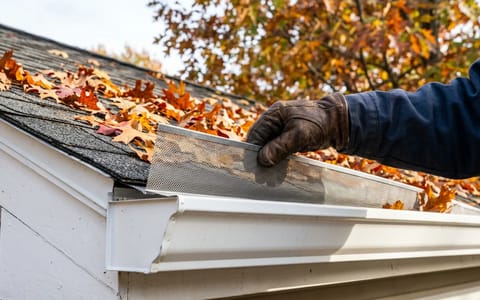
The only material you should use to seal gaps is 1/4-inch galvanized steel hardware cloth. It is thick enough that rodents cannot chew through it, and the holes are small enough to keep out mice and bats. Cut the hardware cloth with heavy-duty wire snips, leaving an extra inch of material around the hole, and screw it directly into the solid wood framing.
Once the house is sealed, look at your landscaping. Squirrels are acrobats, and they use tree branches as a highway straight to your roof. Grab a pole saw and trim back any branches that hang over your roofline. You want a minimum gap of 8 to 10 feet between the closest branch and your shingles. If they cannot reach the roof easily, they are much less likely to chew their way into your attic.
Taking a weekend to inspect your roofline, trim back your trees, and seal vulnerable vents with steel mesh will save you a massive headache next season. A little preventative maintenance now keeps your attic quiet, clean, and entirely pest-free all winter long.
- Squirrels are active during the day. If you hear heavy thumping or scratching at night, you likely have mice, rats, or raccoons instead.
- Relocating trapped wildlife is illegal in many states. Check local regulations before setting any traps.
- A one-way exclusion door is the safest, most effective method for attic squirrel removal.
- Always use 1/4-inch steel hardware cloth to seal entry points. Squirrels will easily chew through expanding foam, plastic, or thin chicken wire.