What Air Changes per Hour Means
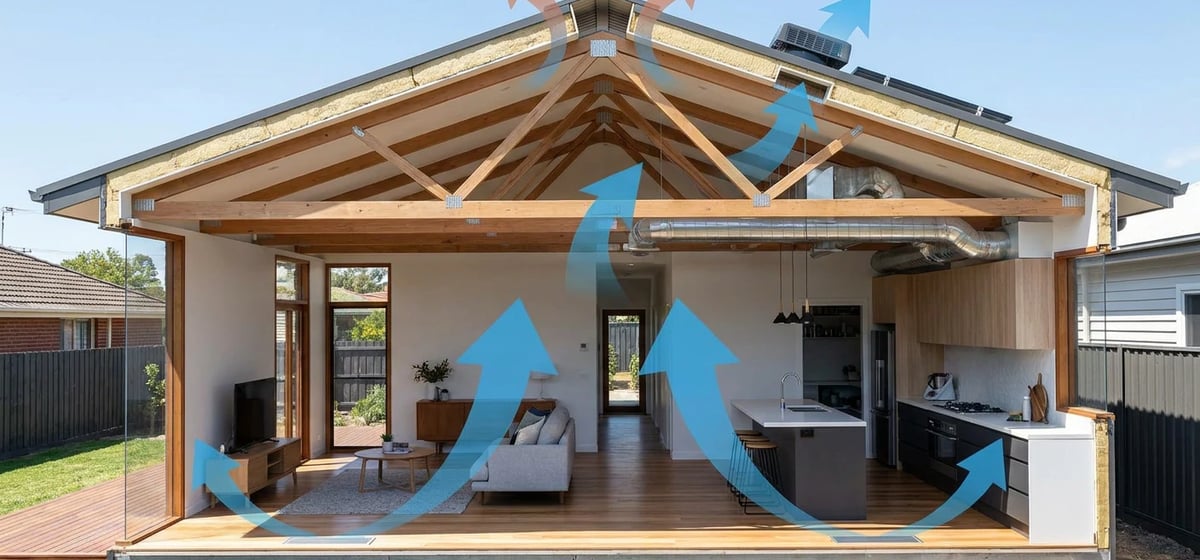
Air changes per hour is a simple math formula. It tells you how many times your heating and cooling system replaces all the air inside your home in exactly 60 minutes. Professionals usually just call it ACH. If your home has an ACH of three, it means fresh air fills your entire house three times every hour.
The calculation looks at the total cubic feet of space inside your home. A larger home holds more air, so it requires a more powerful fan to cycle all that air. Engineers created this metric in the early twentieth century. They needed a way to standardize ventilation rules for public buildings. Today, building codes use it for regular houses to make sure you have safe indoor air quality. You will hear this term often when you deal with your HVAC & Climate Control setup.
Why This Number Matters
Your home needs to breathe. If your house is too airtight, the air gets stale. Moisture builds up from cooking and showering. This trapped moisture can lead to mold growth and wood rot. Trapped air also holds onto indoor pollutants. Things like pet dander, cleaning chemicals, and dust build up over time. You might also notice lingering Smells & Odors that never seem to go away.
On the other hand, a drafty house has a high ACH. This means outside air leaks in through gaps and cracks. Your heater or air conditioner has to work much harder to keep you comfortable. A high number leads to massive utility bills and cold drafts in the winter.
How Professionals Test Your Home
You cannot figure out your ACH just by walking around your house. An energy auditor or home inspector has to measure it using a blower door test. Here is how that process works.
- The inspector closes all your exterior doors and windows.
- They set up a large fan inside a temporary frame in your front door.
- The fan pulls air out of your house to lower the indoor air pressure.
- Outside air rushes back in through all the unsealed cracks and gaps.
- The inspector uses special gauges to measure exactly how much air moves through the fan.
The inspector might also walk around with a smoke pencil while the fan runs. The smoke shows exactly where the air is sneaking in. A professional blower door test usually costs between $300 and $500, though exact prices vary based on your location and home size. This test gives you a precise ACH number and shows you exactly where your house leaks air.
What is a Normal Score?
Your score depends heavily on when builders constructed your home. Old houses are notoriously drafty, while brand new houses are incredibly tight. Building codes also change constantly, requiring better insulation and sealing over time.
| Home Type | Typical ACH Score |
|---|---|
| Older or historic homes | 10 to 20 |
| Standard homes built before 2000 | 5 to 10 |
| Modern new construction | 3 to 5 |
| Ultra-efficient green homes | Less than 1 |
Most modern building codes require a score of three to five. If your home scores below three, inspectors usually require you to install a mechanical ventilation system. This system brings in fresh air on purpose so the house does not get stuffy.
How to Improve Your Score
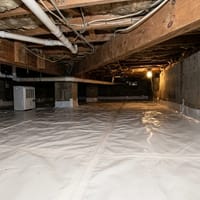
If your blower door test reveals a high score, you need to seal up the leaks. Start with the cheap and easy fixes. Apply fresh caulk around your baseboards and plumbing pipes. Install new weatherstripping on your exterior doors. Look in your attic and basement, as these are the biggest culprits for air leaks. Use expanding foam to fill large gaps around electrical wires and plumbing stacks. If you have old single-pane glass, upgrading your Windows & Doors will drastically reduce drafts.
If your home is too tight, you have the opposite problem. You need to add ventilation. A contractor can install an energy recovery ventilator. This machine pulls fresh air in from outside and pushes stale air out. It swaps the heat between the two air streams so you do not waste energy. Installing one of these units generally costs $1,500 to $3,000, but ranges vary by region.